






The New Summer Reality
Imagine a summer where stepping outside feels like walking into an oven. This is the reality for hundreds of millions in India, where recent heatwaves have sent temperatures soaring past 120°F (49°C) in major cities like Delhi. These aren't just uncomfortable
hot spells; they are prolonged, life-threatening events that paralyze daily life. The traditional summer holiday period, from May to June, which coincides with school breaks, now falls squarely within the most dangerously hot part of the year. What was once a predictable season of warmth has morphed into a brutal, month-long siege of extreme heat, forcing a fundamental rethink of when, where, and even if families can travel.
The Great Migration to the Hills
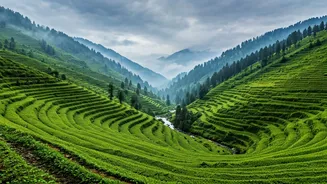
The response from India's growing middle class has been a mass exodus to higher ground. Instead of visiting relatives in the sweltering plains or exploring historical cities, families are now funneling into the nation’s “hill stations”—high-altitude resort towns in the Himalayas, like Shimla, Manali, and Nainital. These colonial-era retreats were designed as escapes from the heat, but they were never intended to handle the sheer volume of modern-day climate refugees. Travel agencies report that bookings for mountain destinations have skyrocketed, sometimes by 30-40% over pre-pandemic levels. The search for a cool breeze has transformed these once-sleepy towns into the country's most coveted and crowded vacation spots.
When the Escape Route Overheats
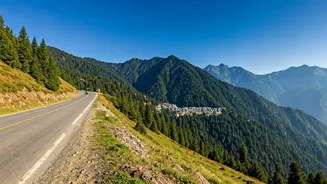
This frantic rush for the hills is creating a new set of problems. The fragile infrastructure of mountain towns is buckling under the pressure. Videos of bumper-to-bumper traffic jams snaking for miles up mountain roads have become a viral staple of the Indian summer. Hotels are sold out weeks in advance, water shortages are becoming common, and local ecosystems are groaning under the weight of overcrowding and waste. The very places people are fleeing to for relief are becoming overwhelmed, turning a peaceful escape into a stressful ordeal. In effect, the solution to one climate-driven problem is creating an environmental and logistical crisis in another.
Reshaping the Travel Calendar
The industry is adapting on the fly. Savvy travelers and tour operators are rewriting the calendar, turning the 'shoulder seasons' of March-April and July-September into the new peak periods. The concept of the single, long summer vacation is giving way to shorter, more frequent 'micro-vacations'—quick weekend trips to the nearest cool destination to break up the monotony of the heat. For those with the means, international travel to cooler climates in Europe or Southeast Asia is also surging. This isn't just a scheduling shift; it's a structural change to India's domestic tourism economy, with clear winners (mountain resorts, airlines) and losers (destinations in the plains that are now too hot to handle).
A Glimpse of Our Global Future
While the scale is uniquely Indian, the trend is universal. What's happening in India is a preview of how climate change will reshape leisure and travel globally. Americans are already seeing shades of this phenomenon. Summer tourism in intensely hot destinations like Arizona and Florida is facing new questions, while cooler northern states like Maine and Michigan are bracing for more visitors. The idea of 'climate-proof' vacations is no longer a futuristic concept; it's a practical consideration. India's experience serves as a powerful case study in climate adaptation, revealing not only human ingenuity in the face of crisis but also the cascading consequences that follow when an entire population tries to outrun the heat at the same time.