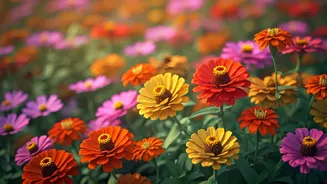




1. Zinnias: For Relentless Color
If you want a flower that scoffs at blistering heat, look no further than the zinnia. These annuals are native to the hot, dry grasslands of the Southwest and Mexico, so they are genetically programmed to perform during the dog days of summer. They thrive
in full sun and actually prefer soil that’s on the drier side, making them a perfect candidate for gardeners who sometimes forget to water. Zinnias are also prolific bloomers, providing a steady supply of vibrant color from early summer until the first frost. As an added bonus, they are a favorite of pollinators like butterflies and bees, bringing life and movement to your garden beds.
2. Sweet Potatoes: For Food and Foliage
While we often think of them as a Thanksgiving staple, sweet potatoes are tropical plants that adore summer heat. Growing them is surprisingly low-risk. You can plant "slips"—small rooted sprouts—after the last frost, and they will quickly send out lush, sprawling vines. These vines act as a living mulch, shading the soil, suppressing weeds, and conserving moisture. In hot climates where cool-season greens bolt, sweet potato leaves are an excellent and nutritious substitute for spinach. At the end of the season, you get to dig up the delicious tubers. It's a two-for-one plant that covers ground and fills your pantry.
3. Marigolds: The Cheerful Protector
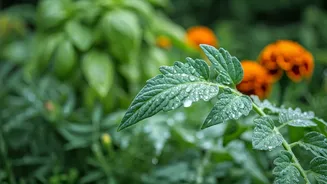
Marigolds are a classic for a reason. They are incredibly easy to grow from seed, tolerate a wide range of soil types, and bloom reliably even when neglected. Their resilience to heat and drought makes them a staple in low-maintenance gardens across the country. But their biggest asset might be their reputation as a pest deterrent. The strong scent of French marigolds is known to repel nematodes—microscopic worms that attack the roots of vegetable plants like tomatoes—and other common garden pests. Planting them around your vegetable patch is a simple, organic way to add a layer of protection while enjoying their sunny, cheerful flowers.
4. Okra: The Heat-Loving Vegetable
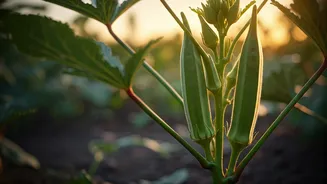
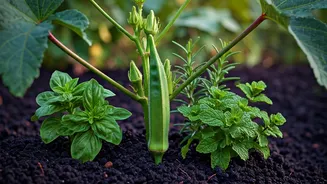
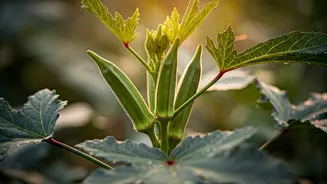
Many popular vegetables, like lettuce and broccoli, give up once summer temperatures soar. Okra is just getting started. This vegetable, a member of the hibiscus family, thrives in the kind of intense heat and humidity that makes other plants struggle. Its deep taproot helps it find water during dry spells, and it has very few significant pest or disease problems. The key is to harvest the pods when they are young and tender, typically just a few inches long. If you can provide it with at least six hours of direct sun, you'll be rewarded with a continuous harvest all the way until fall, long after other crops have faded.
5. Coneflowers (Echinacea): A Native Powerhouse
For a perennial that comes back stronger every year, it’s hard to beat the coneflower. As a native North American prairie plant, it’s naturally adapted to handle summer's challenges, including drought, heat, and poor soil. Once established, their deep root systems make them exceptionally water-wise. Their iconic, shuttlecock-shaped flowers are not only beautiful but also attract a host of beneficial insects and provide seeds for birds like goldfinches in the fall and winter. Available in shades of purple, pink, white, and yellow, they provide reliable structure and color to a garden with minimal fuss.
6. Rosemary: The Drought-Proof Herb
Native to the sunny, rocky hillsides of the Mediterranean, rosemary is the definition of a hardy plant. It loves full sun and demands well-drained soil, actively disliking having its roots sit in water. This makes it a perfect choice for hot, dry spots in your yard or for container gardening where soil can dry out quickly. Its woody stems and needle-like leaves are designed to minimize water loss, allowing it to withstand periods of drought without complaint. Plus, you get the benefit of having fresh, aromatic sprigs on hand for cooking. In warmer climates (USDA Zone 8 and up), it will grow as a perennial evergreen shrub, providing year-round interest.