


The Land Above the Clouds
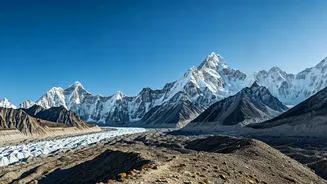
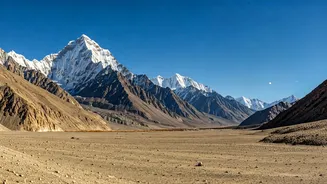
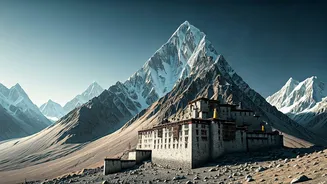
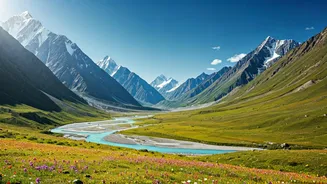
Tucked away in the northernmost reaches of India, Ladakh is a high-altitude desert cradled by the formidable Karakoram and Himalayan mountain ranges. This is not a landscape of gentle, rolling hills. It’s a stark, powerful world of sharp, snow-dusted
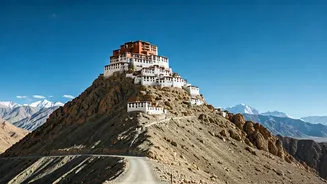
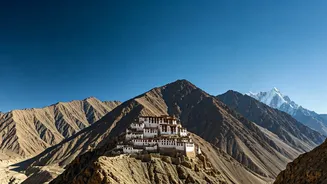
peaks, impossibly blue skies, and winding river valleys that provide slivers of green in a palette of brown and gray. Getting here requires a flight over some of the world’s highest mountains, and the moment you step off the plane, the thin, crisp air is a constant reminder that you are somewhere truly different. It’s a region shaped by Tibetan Buddhism, where ancient monasteries, or gompas, cling to cliffsides like extensions of the rock itself, their prayer flags releasing blessings into the wind.
An Explosion of Color and Sound
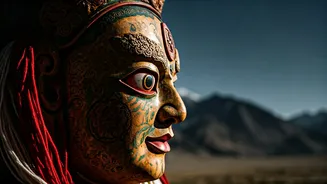
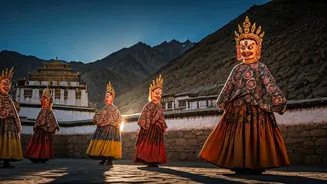
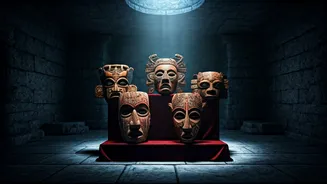
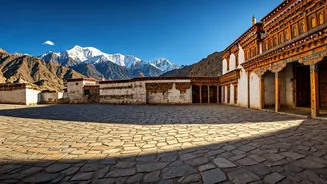
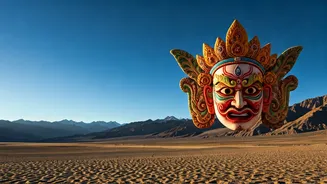
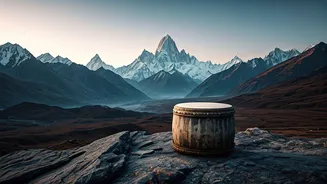
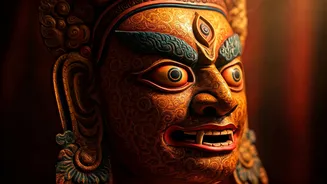
The profound quiet of the mountains is periodically shattered by the spectacular energy of the Cham dance. Performed during annual monastery festivals, these sacred rituals are an assault on the senses in the best possible way. Monks emerge from the monastery halls transformed into deities and demons, their faces hidden behind massive, intricately carved and painted masks. Dressed in heavy brocade robes of brilliant yellows, reds, and blues, they whirl and leap in the monastery courtyard to the soundtrack of clashing cymbals, resonant drums, and the deep, soul-stirring drone of twelve-foot-long copper horns called dungchen. It’s a slow, deliberate, and hypnotic performance that feels less like a dance and more like a powerful story unfolding without words.
The Meaning Behind the Masks
While visually stunning for visitors, the Cham dance is not a performance for entertainment. It is a profound religious ceremony, a form of active meditation for the monks and a moral lesson for the laypeople who gather to watch. Each mask represents a specific character—wrathful protector deities, mischievous spirits, or compassionate bodhisattvas. The narrative typically depicts the triumph of good over evil and serves as a powerful reminder of Buddhist teachings on compassion, impermanence, and the path to enlightenment. Major monasteries like Hemis, Thiksey, and Spituk host famous festivals, drawing villagers from across the region who come to receive blessings, socialize, and reaffirm their faith. To witness it is to be invited, for a moment, into the spiritual heart of Ladakh.
In Search of the Great Silence
Once the cymbals have quieted and the crowds have dispersed, Ladakh’s other great offering reveals itself: a silence so complete it feels like a physical entity. Driving away from the main town of Leh and into the vast, empty valleys, the noise of the modern world simply falls away. Standing beside a turquoise lake like Pangong Tso, with its shores stretching toward the Tibetan border, or looking out from a monastery perched thousands of feet above a valley, the only sounds are the wind and your own heartbeat. This quiet isn't empty; it's full of presence. It’s a silence that encourages introspection and offers a humbling perspective on your own place in a vast, ancient world. It’s the perfect counterpoint to the sacred noise of the Cham festival.