




The Four-Legged Family Member
It’s a scene playing out in homes across the country. The holiday travel spreadsheet, once a simple grid of dates and confirmation numbers, now includes columns for pet fees, airline crate dimensions, and a list of dog-friendly parks near your destination.
This isn’t an anomaly; it’s the new standard for a growing number of American households. The dramatic spike in pet ownership, particularly since 2020, has solidified a cultural shift that was already underway: pets are no longer just animals we own, but integral members of the family. According to the American Pet Products Association, an estimated 66% of U.S. households now own a pet. This 'humanization' of pets means leaving them behind for a week-long Thanksgiving trip or a summer vacation feels less like a practical decision and more like leaving a child at home. This emotional reality is the engine driving a massive, often silent, recalibration of how Americans approach their leisure time.
The Hidden 'Pet Tax' on Travel
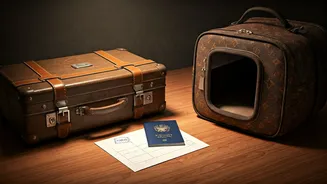
Once the decision is made to bring the pet along, the financial hurdles appear. The travel industry has been quick to monetize this trend, creating what many travelers call a 'pet tax.' Airlines, which once had more lenient policies, now often charge $100-$125 each way for a pet to fly in the cabin—if they’re small enough to fit under the seat. Larger dogs must fly as cargo, a nerve-wracking and even more expensive proposition. Hotels that market themselves as 'pet-friendly' often add non-refundable fees ranging from $50 to over $200 per stay. Some properties impose weight limits, restricting options for owners of Labradors or Golden Retrievers, while others limit the number of pets or confine them to specific, less desirable floors. Add it all up, and a family of four can find their holiday budget inflated by several hundred dollars just to accommodate their furry companion. This financial pressure quietly forces a choice: pay the premium, find a different destination, or don't go at all.
Navigating a Maze of Rules
Beyond the cost, there’s the logistical nightmare. There is no federal standard for pet travel, creating a dizzying patchwork of corporate policies. One airline allows a certain carrier size, while another requires a different one. A hotel chain might be pet-friendly in one state but not another. Vacation rental sites like Airbnb and Vrbo put the power in the hands of individual hosts, leading to endless scrolling through listings to find the magic words: 'pets allowed.' Even then, travelers report showing up to rentals only to be confronted with unlisted rules, like 'no pets on the furniture' or 'dog must be crated when left alone.' This uncertainty adds a significant layer of stress and labor to what is supposed to be a relaxing break. It forces travelers to become part-time lawyers, scrutinizing fine print and making backup plans for their backup plans.
When the Best Trip is No Trip
Faced with high costs, complex logistics, and the emotional toll of it all, many pet owners are making a different choice: they’re staying home. The alternative—boarding—can be just as stressful and expensive. A week at a reputable kennel can easily cost as much as a round-trip flight, and the guilt of leaving a pet in an unfamiliar environment is a powerful deterrent. For many, the 'staycation' is no longer a trendy choice but a practical necessity. Holiday plans are increasingly built around proximity to home. Instead of flying to see distant relatives, families might opt to drive to a rented cabin a few hours away. Summer vacations become a series of day trips to local beaches or hiking trails that welcome dogs. In this way, pet policies are not just adding a new line item to the travel budget; they are fundamentally redrawing the map of American leisure, prioritizing the comfort and inclusion of our four-legged family members above all else.