


The Rise of the 'Coffee Corner'
Walk into the home of a typical twenty-something, and you might bypass the living room and head straight for the kitchen—not for a snack, but for a tour of the coffee station. This isn't your parents' Mr. Coffee maker tucked away by the toaster. We're
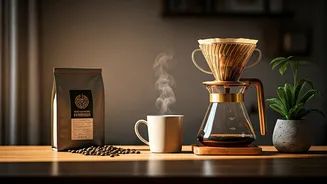
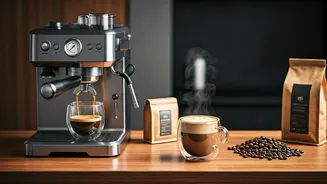
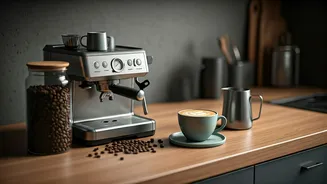
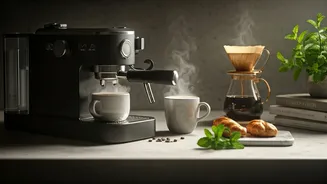
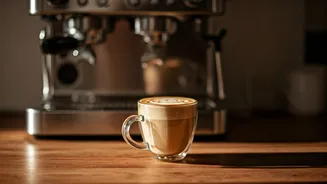
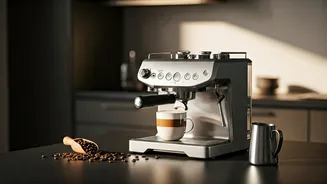
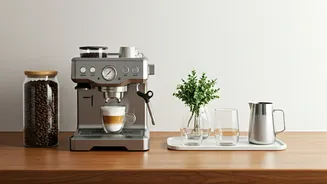
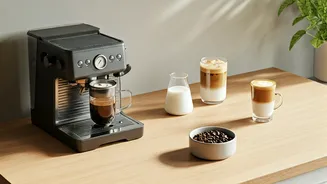
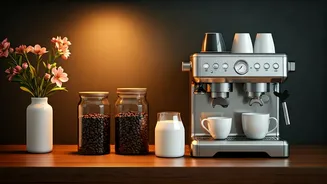
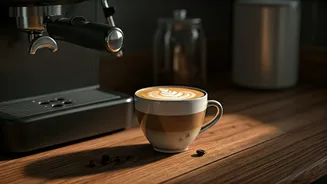
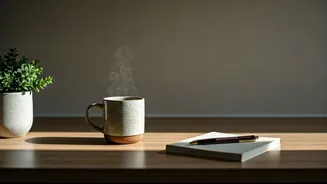
talking dedicated carts or counters adorned with gleaming espresso machines, gooseneck kettles, and grinders that hum with purpose. It's a meticulously curated space, often featuring a gallery of favorite mugs, a tidy row of artisanal syrups (think lavender and brown sugar cinnamon), and perhaps a small, handwritten menu board. This is the 'at-home cafe,' a burgeoning trend where young adults are investing significant time, money, and creativity into recreating the coffee shop experience within their own four walls. It’s a hobby, a design statement, and a daily ritual rolled into one.
Driven by Economics and Aesthetics
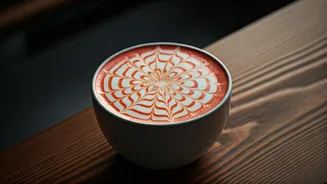
So, why the sudden obsession with becoming a home barista? The answer is a blend of pragmatism and passion. First, there's the simple math. A daily $7 latte habit adds up to over $2,500 a year. For a generation facing economic uncertainty, high rents, and student loan payments, that's a significant expense. Investing in a high-quality, several-hundred-dollar espresso machine is reframed as a savvy long-term financial decision, not a splurge. But this is far from just a cost-saving measure. It’s deeply intertwined with the visual culture of social media. The 'cafe core' aesthetic—a cozy, slightly cluttered, yet artful vibe—is a popular tag on TikTok and Pinterest. A beautiful latte, poured with practiced latte art in a photogenic ceramic mug, is prime content. The coffee corner becomes a backdrop for life, a testament to good taste that’s ready for its close-up.
Searching for the 'Third Place'
The at-home cafe also speaks to a deeper sociological shift. For decades, sociologists have talked about the importance of the 'third place'—a location outside of home (the first place) and work (the second place) where community is built. Think pubs, community centers, and, most iconically, coffee shops. However, in a post-pandemic world, and with many public spaces feeling increasingly commercialized or inaccessible, many young people are turning inward. They are taking the elements they love most about the third place—the ambiance, the ritual, the specialty drinks—and importing them into the safety and comfort of their own homes. It’s about cultivating a space that feels both personal and welcoming, a place to decompress alone or to host friends in a way that feels more special and intentional than just gathering on the couch.
A New Kind of Domesticity
Ultimately, the home cafe represents a new form of domesticity for Gen Z. It’s not about mastering the homemaking skills of previous generations, but about personal curation and creating a sanctuary that reflects individual identity and values. The ability to craft a perfect oat milk cortado is a skill, a form of self-care, and an act of hospitality. It’s a small ritual of control and pleasure in a world that often feels chaotic. In this context, the home is not just a place to sleep and store your stuff; it's a dynamic, personal, and highly stylized hub for living, socializing, and, of course, getting your daily caffeine fix, exactly the way you like it.