






So, What's the Real 'Tokyo Drift'?
Forget drifting cars; the real drift is in the currency market. The Japanese yen has been in a prolonged freefall against the U.S. dollar, hitting lows not seen in over 30 years. To put it simply, your dollar goes a lot further in Japan than it has in a generation.
In early 2022, one U.S. dollar would get you around 115 yen. Now, that same dollar can fetch over 155 yen, and at times has flirted with 160. That’s a massive swing. It effectively means everything in Japan—from a bowl of world-class ramen to a stay at a luxury ryokan—is on a 25-30% discount for anyone holding U.S. dollars. This isn't just a minor fluctuation; it's a fundamental economic shift that has turned Japan into a top-tier travel destination for budget-conscious Americans while sending shockwaves through its own economy.
Why Is the Yen So Weak?
The main culprit is a tale of two central banks. In the United States, the Federal Reserve has been aggressively hiking interest rates since 2022 to combat inflation. Higher interest rates make holding U.S. dollars more attractive to global investors, because they can earn a higher return. This increases demand for the dollar, making it stronger. Meanwhile, in Japan, the opposite has been happening. The Bank of Japan (BOJ) has kept its interest rates at or near zero for years, trying to stimulate a long-stagnant economy and encourage spending. While they recently made a tiny, historic rate hike, the gap between U.S. and Japanese rates remains enormous. Global investors, seeking the best return on their money, sell their yen and buy dollars to take advantage of those higher U.S. rates. This constant selling pressure pushes the value of the yen down, creating the “drift” we see today.
The Upside: A Tourist's Paradise
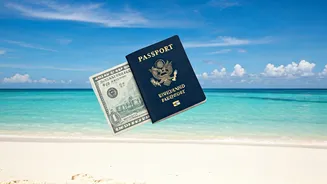
For American travelers, the weak yen is a golden ticket. Japan, already a popular destination, has become almost irresistibly affordable. Videos flood social media showing tourists feasting on Michelin-starred meals for the price of a casual dinner back home or snagging luxury goods at a significant discount. The phenomenon has been dubbed “revenge travel with a coupon.” This surge in tourism provides a much-needed boost to Japan's hotels, restaurants, and shops, which are still recovering from the pandemic-era closures. The influx of foreign cash is a welcome shot in the arm for the service sector. For Americans who have long dreamed of visiting the temples of Kyoto or the bustling streets of Tokyo, there has arguably never been a better or cheaper time to go.
The Downside: A Headache for Japan
While great for tourists, a perpetually weak yen is a major problem for Japan itself. For a country that imports most of its energy and food, a weak currency makes those essential goods much more expensive, squeezing household budgets and small businesses. It’s like the entire nation is paying more for gas and groceries. The Japanese government is in a bind. A weak yen helps its major exporters like Toyota and Sony by making their products cheaper overseas, but it hurts its own citizens at home. This has led to rare and costly interventions, where the government literally buys massive amounts of yen on the open market to try and prop up its value. But these actions are often a temporary fix against the powerful tide of global interest rate policies. The situation creates economic uncertainty and puts pressure on the Bank of Japan to change its long-standing monetary strategy, a move that could have its own unpredictable consequences.