



1. Tires: Your First Line of Defense
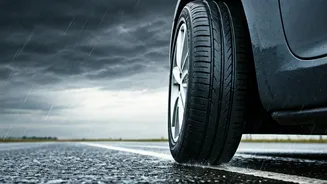
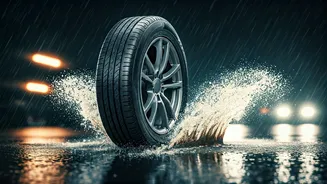
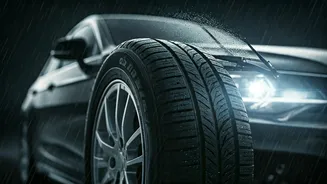
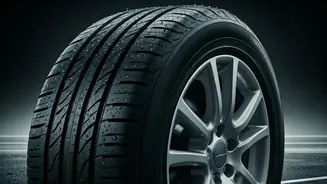
Your tires are the only part of your car that touches the road. In heavy rain, their condition is the difference between gripping the asphalt and dangerously hydroplaning. The primary danger in wet conditions is when water between the tire and the road surface
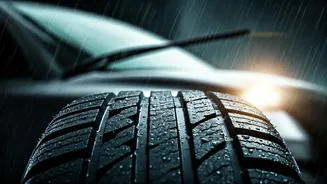
can't be cleared quickly enough, causing your vehicle to slide uncontrollably. Start with tread depth. The grooves in your tires are designed to channel water away. If they're worn down, they can't do their job. The easiest way to check is with a penny. Insert it into the tread with Lincoln's head upside down. If you can see the top of his head, your treads are too shallow and it's time for new tires. Also, check your tire pressure. Underinflated tires can flex more and make hydroplaning more likely, while overinflated tires have a smaller contact patch with the road. The correct pressure is listed on a sticker inside your driver's side door jamb, not on the tire itself.
2. Wipers: Your Window to the World
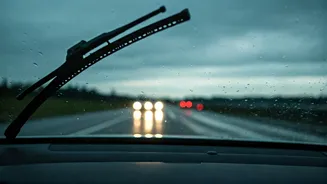
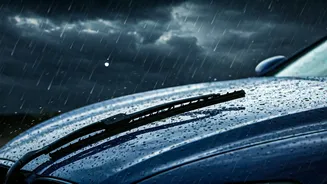
Visibility is paramount in a storm. If your wiper blades are smearing water, chattering across the glass, or leaving streaks, they are failing. Wiper blades are made of rubber that degrades over time due to sun exposure, heat, and dirt. A good rule of thumb is to replace them every six to 12 months, or as soon as you notice a decline in performance. Don't wait for a deluge to discover they're useless. Test them with your windshield washer fluid. Do they clear the water in a single, clean swipe? If not, a new pair is a cheap and easy fix that provides an enormous safety benefit. While you're at it, top off your washer fluid reservoir—road grime kicked up by other cars can quickly turn into a muddy film that only your washers can clear.
3. Lights: See and Be Seen
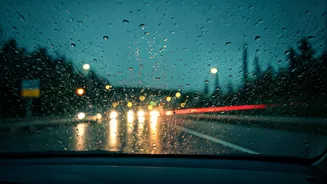
In a torrential downpour, daylight can fade to dusk in minutes. Your lights aren't just for helping you see the road; they're crucial for making you visible to other drivers. Do a quick walk-around of your car. With the help of a friend or by using the reflections in a garage door or store window, check that your headlights (both low and high beams), taillights, brake lights, and turn signals are all working. A single burnt-out bulb significantly reduces your visibility to others, especially from the rear. Hazy or yellowed headlight lenses can also drastically reduce the amount of light reaching the road. Headlight restoration kits are available at any auto parts store and can make a world of difference in your ability to spot hazards ahead.
4. Brakes: The Ultimate Safety Stop
While you can't visually inspect your brake pads' wear as easily as your tires, you can be mindful of their performance. Wet brakes can sometimes be less responsive. If you've driven through a deep puddle, you may need to tap them lightly to dry them out. More importantly, listen for any warning signs. Do your brakes squeal, grind, or does the car pull to one side when you brake? Does the pedal feel spongy or go too far to the floor? These are signs that your brake system needs professional attention. Good brakes are always important, but their reliability becomes even more critical when slick roads increase your stopping distance.
5. Windshield and Windows: Clear the Fog
The battle for visibility is fought both outside and inside your car. Heavy rain and humidity can cause your windows to fog up in an instant, creating a blindfold at the worst possible moment. First, make sure your car's defrost and climate control systems are working properly. Test both the A/C and heat settings on the defrost mode. The A/C compressor is excellent at dehumidifying the air, clearing fog much faster than heat alone. Second, give the inside of your windows a thorough cleaning. Over time, a film builds up from off-gassing plastics and other sources, which gives moisture something to cling to. A clean interior glass surface will resist fogging much more effectively. For an extra edge, you can apply an anti-fog treatment to the inside of your windshield.