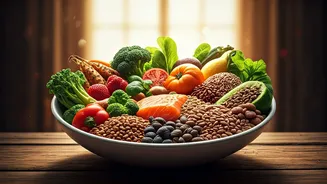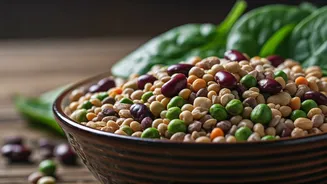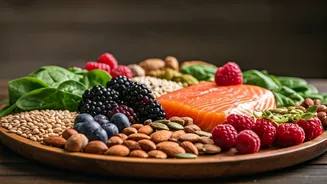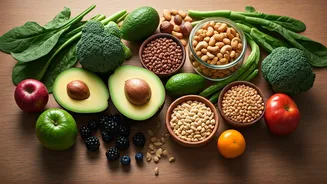





First, What Is Fibermaxxing?
Unlike rigidly structured diets with trademarked names, 'fibermaxxing' isn't a formal program. It’s a social media-born movement focused on one simple goal: eating as much dietary fiber as possible. Practitioners aim to hit or exceed the recommended daily
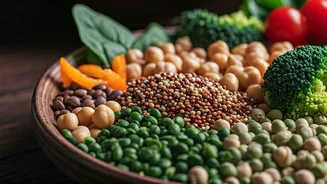
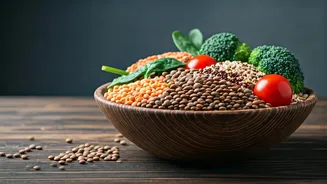
intake—around 25 grams for women and 38 grams for men—by loading up on fruits, vegetables, whole grains, legumes, nuts, and seeds. The term itself, a blend of 'fiber' and 'maximizing,' captures the ethos perfectly. On platforms like TikTok, where the #fiber hashtag has amassed billions of views, it translates into vibrant videos of colorful grain bowls, chia seed puddings, and grocery hauls packed with beans and berries. The core idea is that by focusing on this single nutrient, other positive health outcomes, like improved digestion, better blood sugar control, and increased satiety (the feeling of fullness), will naturally follow.
A Shift from Restriction to Addition
The rise of fibermaxxing signals a significant psychological shift in how we approach wellness. For the better part of a decade, the most popular diets—Keto, Paleo, Whole30—were defined by what they eliminated. They were diets of subtraction: no carbs, no sugar, no grains, no dairy. This created a culture of restriction, lists of 'bad' foods, and a constant state of vigilance. Fibermaxxing is the polar opposite. It’s a philosophy of addition. Instead of asking, 'What can't I eat?,' the question becomes, 'How can I add more fiber to this meal?' This approach feels less punitive and more joyful. You’re not cutting out food groups; you’re actively seeking to include more of them. For many people exhausted by the mental gymnastics of restrictive eating, the simplicity of adding more plants to their plate is a welcome relief. It reframes healthy eating as an act of abundance rather than one of deprivation.
Keto Fatigue and the Quest for Sustainability
While the ketogenic diet has a dedicated following and proven short-term results for weight loss and certain health conditions, it's notoriously difficult to maintain. The strict low-carb, high-fat requirements can feel socially isolating and culinarily limiting. This phenomenon, often dubbed 'Keto fatigue,' has created an opening for less demanding wellness strategies. People are looking for approaches they can stick with for the long haul, not just for a 30-day challenge. Focusing on fiber fits that description perfectly. You can still eat at restaurants, enjoy a wide variety of foods, and participate in social events without derailing your goals. This flexibility is a key driver of its growing appeal. The trend suggests a collective pivot away from quick-fix, high-intensity diets toward more sustainable, lifestyle-oriented habits.
The Science Is Simple and Strong
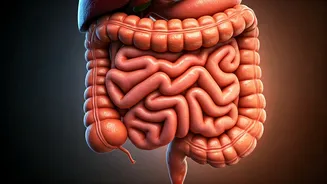
Another reason for fiber's moment in the sun is that the science behind it is incredibly robust and easy to understand. Unlike the complex metabolic state of ketosis, the benefits of fiber are straightforward and widely accepted by mainstream medical institutions. Dietary fiber is a powerhouse nutrient known to support gut health by feeding beneficial bacteria, promote regular bowel movements, help lower cholesterol, and stabilize blood sugar levels. Because high-fiber foods are often bulky and take longer to digest, they also help you feel full longer, which can naturally aid in weight management without an obsessive focus on calorie counting. This strong scientific backing makes it feel less like a fad and more like a return to nutritional basics—a foundation that was perhaps overlooked during the years of low-carb mania.
Is There a Downside?
While increasing fiber is almost universally a good thing, the 'maxxing' part of the trend can have drawbacks if taken to an extreme. Dramatically and suddenly increasing your fiber intake without also increasing water intake can lead to uncomfortable side effects like bloating, gas, and cramping. For the body to adjust, it's best to add fiber into your diet gradually over several weeks. Furthermore, an obsessive focus on any single nutrient can risk creating an imbalanced diet. A healthy eating pattern should include a mix of fiber, protein, and healthy fats. The goal of fibermaxxing should be to build a well-rounded, plant-rich diet, not to pursue fiber at the expense of all other essential nutrients. Like any wellness trend, moderation and listening to your body are key.