
The King of Summer Fruits
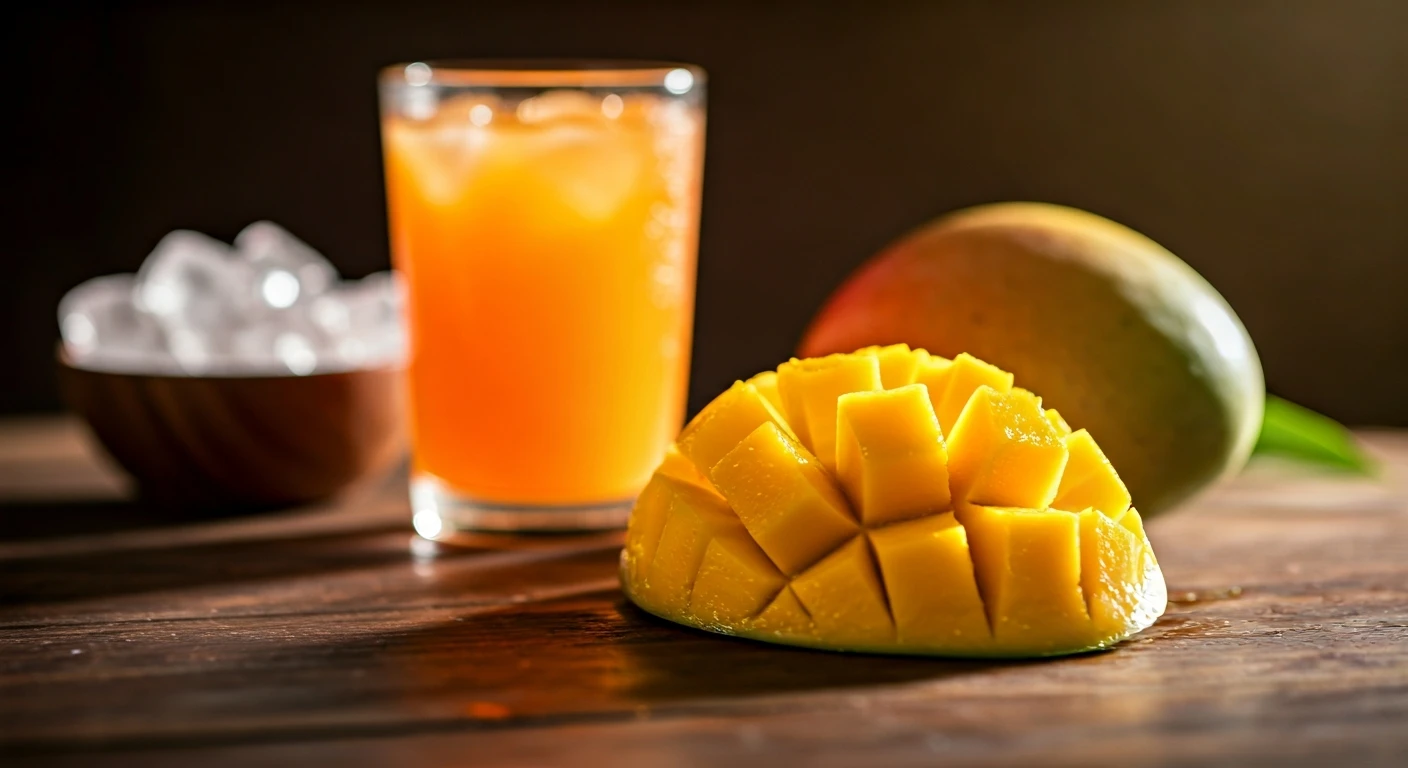
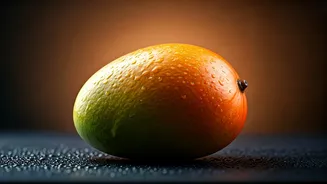
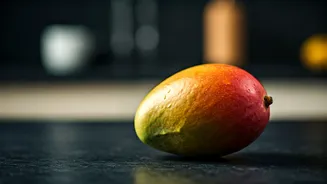
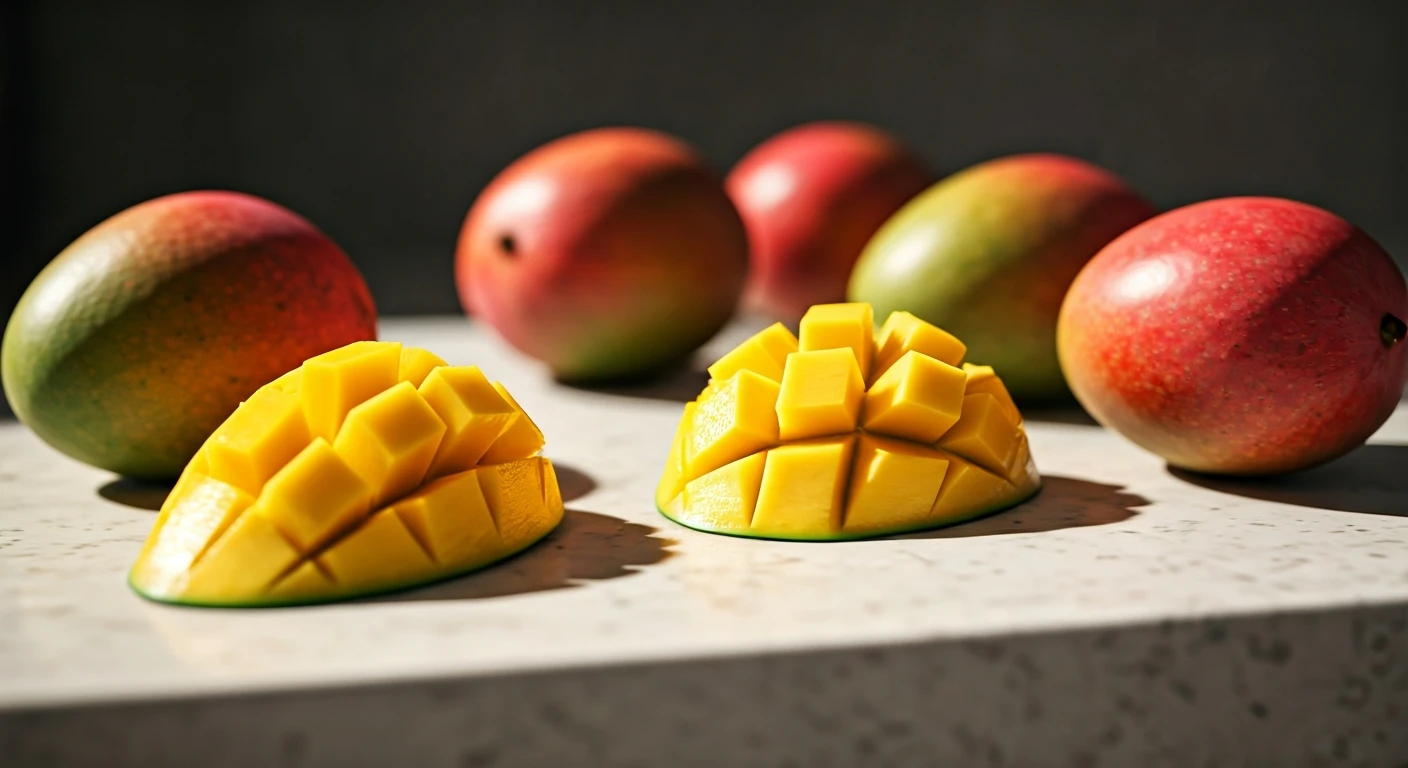
In the United States, we see mangoes year-round in the grocery store, a tropical staple for smoothies and salsas. But in India and across South Asia, the mango isn't just a fruit; it's a cultural event. Its arrival signals the true beginning of summer—a
season of intense heat, school vacations, and an abundance of this fragrant, golden-fleshed 'king of fruits.' For a few precious months, life revolves around them. Families gather to slice and devour them, street vendors sell them chilled, and their sweet, floral scent hangs in the air. This deep-rooted cultural reverence means that when mangoes are at their peak, they aren't just eaten; they're celebrated. This celebratory spirit is the key ingredient in anything made with them, turning a simple dessert into something much more significant.
Meet Barfi: India's Answer to Fudge
To understand mango barfi, you first have to meet barfi. If you've never had it, the closest American equivalent is fudge, but that comparison only scratches the surface. Barfi is a dense, milk-based confection, a cornerstone of the vast world of Indian sweets, or 'mithai.' It's traditionally made by slowly cooking down milk solids (khoya) with sugar until it forms a thick, pliable mass. This base can then be flavored with anything from pistachios and almonds (pista barfi) to coconut or rosewater. The texture is sublime: softer and grainier than fudge, with a rich, milky flavor that melts on the tongue. Barfi is more than just a dessert; it’s a go-to for celebrations. Whether for a wedding, a religious festival like Diwali, or just to share good news, a box of assorted barfi is the customary offering of sweetness and joy.
When Mango and Milk Solids Collide
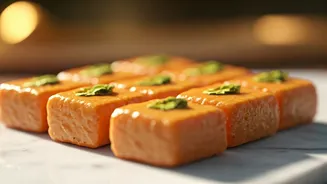
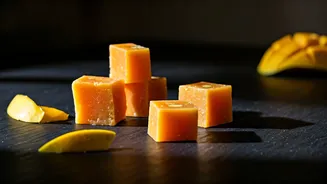
Mango barfi is what happens when summer's most celebrated fruit collides with a year-round festive staple. Instead of just being a flavoring, the mango becomes the star. The process involves blending sweet, fragrant mango pulp—ideally from a prized variety like Alphonso or Kesar—into the barfi base. The fruit’s natural sweetness and slight tartness cut through the richness of the milk solids and sugar, creating a perfectly balanced confection. The mixture is cooked until it thickens, then poured into a tray to set. Often garnished with slivered pistachios or edible silver leaf (vark), the final product is a vibrant, golden-orange square that looks like captured sunlight. The flavor is unmistakable: intensely mango-forward with a creamy, luxurious finish and a delicate hint of cardamom or saffron in the background. It tastes exactly like summer feels: bright, joyful, and a little bit decadent.
Finding Your Festival Moment
While making it from scratch can be a rewarding culinary project, you don't need to be an expert to experience mango barfi. The easiest way to get your hands on some is to visit a local Indian or South Asian sweet shop ('mithai-wala'). These shops are treasure troves of confections, and during the summer months, mango barfi is almost always a headliner. Look for its bright orange color in the display case and buy it by the pound or piece. For the adventurous home cook, the essential ingredients are high-quality mango pulp (canned is perfectly acceptable and often preferred for consistency), milk powder (a common shortcut for milk solids), sugar, and ghee (clarified butter). Countless recipes online can guide you through the process of cooking it down to the right consistency. It requires patience, but the result is a homemade treat that instantly elevates a backyard barbecue or a quiet afternoon into a small, delicious celebration.