



An Island That Breathes Water
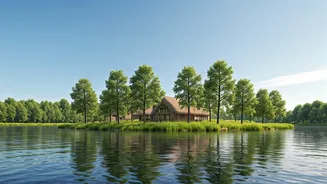
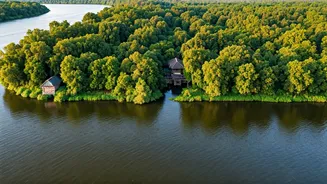
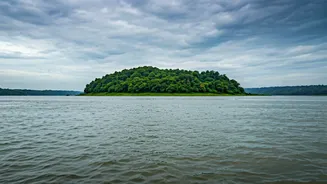
To understand Majuli, you must first understand the Brahmaputra. This colossal, braided river, which flows from the Himalayas through Tibet and into India, isn’t just the island’s location; it’s the architect of its existence. Majuli is a sandbar, a fluvial
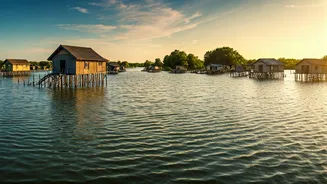
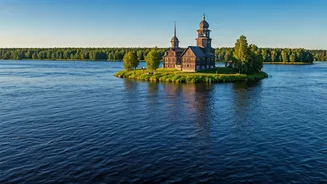
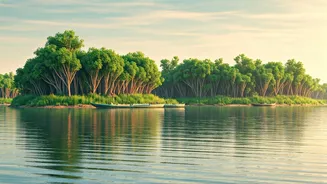
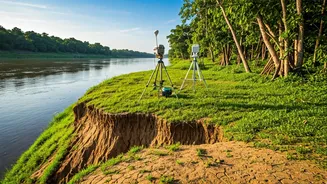
island built over centuries by the river’s silt deposits. Often cited as the world’s largest river island, this claim is now a painful reminder of its precarity. Decades of aggressive monsoon floods and relentless erosion have caused the island to shrink dramatically, a fact that is visible to anyone who visits. The land you walk on is temporary, a shifting landscape that expands in the dry season and retreats during the annual floods. For a traveler, this isn’t just a geographical curiosity. It’s the entire aesthetic: bamboo homes on stilts, ferries that serve as lifelines, and a horizon defined not by mountains but by the endless expanse of water.
A Culture Preserved by the River
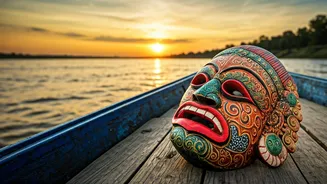
The very isolation that makes Majuli vulnerable has also made it a unique cultural sanctuary. For 500 years, the island has been the heart of Neo-Vaishnavism, a monotheistic stream of Hinduism. This culture is housed in *satras*—monastic centers that are part monastery, part university. Here, monks (some of whom enter as young boys) dedicate their lives to prayer, classical dance, music, and craft. The river acts as a natural moat, protecting these traditions from the churn of the mainland. Travelers can witness mesmerizing *Sattriya* dance performances, watch artisans create intricate masks for religious dramas, and experience a devotional rhythm of life that has all but vanished elsewhere. The health of the river ecology is directly tied to the survival of this culture. As the river erodes the land, it has already consumed several historic satras, forcing communities to relocate and threatening to wash away centuries of intangible heritage.
Where Nature Is the Main Attraction
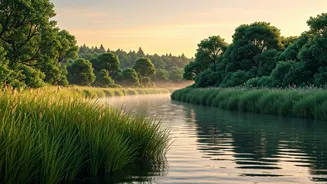
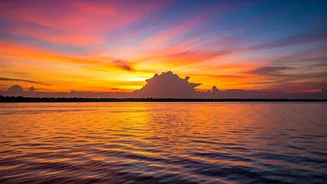
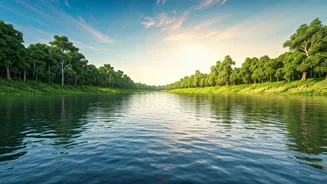
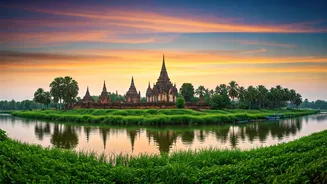
For the eco-conscious traveler, Majuli is a minimalist paradise. The main attractions aren't resorts or theme parks; they are the wetlands, the birds, and the profound quiet. The island is a haven for migratory birds, with species like the Siberian crane and greater adjutant stork finding refuge in its small lakes, or *beels*. A typical day for a visitor might involve renting a bicycle and pedaling along dirt paths, passing vibrant green rice fields and small villages of the Mising tribe. The real show happens at dawn and dusk, when the sun paints the river in hues of orange and pink, and the only sounds are birdcalls and the gentle lapping of water. This entire experience—the reason people make the long journey here—is a direct product of the riverine ecosystem. A degraded system, polluted or altered by upstream dams and climate change, would silence this natural symphony.
Witnessing a Disappearing World
The 'crucial' aspect of the river ecology for travelers is this: you are visiting a place on the brink. Understanding the island's fragility fundamentally changes the travel experience from passive sightseeing to active witnessing. Locals will tell you stories of villages that no longer exist, of farmland lost to the river in a single monsoon season. This is not a distant, abstract threat; it is the central drama of daily life. The erosion is so severe that some scientists predict the island could disappear within a few decades if major interventions are not successful. For a traveler, this imbues every interaction and every landscape with a sense of poignancy. You are not just seeing a beautiful place; you are seeing it in a specific, critical moment in its history, bearing witness to both its resilience and its vulnerability.