








More Than Just a Food Bowl
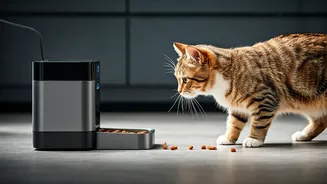
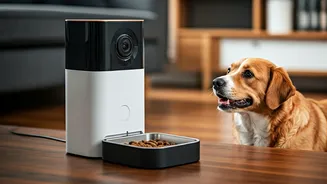
At its core, an automated pet feeder is a simple concept: a machine that dispenses a pre-set amount of food at scheduled times. But the latest generation of these devices has evolved far beyond that. The game-changer is the integration of a Wi-Fi-connected
camera, often with two-way audio. This transforms a simple dispenser into an interactive portal to your pet’s world. Through a smartphone app, you can not only ensure your dog or cat is fed on time, but you can also check in on them, see that they’re eating, and even speak to them from anywhere. It’s a combination of a dietary tool, a security camera, and a communication device, all rolled into one.
The End of Mealtime Anxiety
The term “lifesaver” might sound like an exaggeration, but for owners juggling unpredictable schedules, it can feel accurate. The primary benefit is consistency. Vets often recommend stable feeding routines for digestive health and behavioral stability. An automated feeder ensures your pet gets their breakfast at 7 a.m. sharp, even if you’re sleeping in, and their dinner at 6 p.m., even if you’re stuck in traffic. This consistency removes a major source of stress for both owner and pet. It’s particularly crucial for animals with medical needs, like diabetic cats who require precisely timed meals alongside insulin, or overweight pets who need strict portion control to manage their health. The machine doesn't forget, and it doesn't over-pour, providing a level of dietary precision that is difficult to maintain manually.
A Window Into Their World
The live-camera feature addresses a different, more emotional need: separation anxiety. And not just the pet’s. Owners often feel anxious about leaving their furry companions alone for long hours. The ability to open an app and see your pet napping peacefully or enjoying their meal provides immense reassurance. The two-way audio adds another layer. You can call your pet over to the feeder for a meal, offer a few words of comfort, or even interrupt them if you see them getting into mischief. Some advanced models even include night vision and the ability to toss a treat on command, turning a simple check-in into a fun, interactive moment. This digital connection helps bridge the physical distance, making you feel closer to your pet throughout the day.
What to Look For Before You Buy
Not all smart feeders are created equal. If you’re considering one, there are a few key features to evaluate. First, check the portion control settings. Can it dispense small enough increments for a cat or a small dog? Is the hopper large enough for your needs? Second, consider the power source. The best models offer both a wall plug and a battery backup, ensuring your pet still gets fed during a power outage. Third, look into the user-friendliness of the app and the reliability of the Wi-Fi connection. Reading user reviews can reveal a lot about buggy software or connectivity issues. Finally, think about maintenance. A feeder with dishwasher-safe components, like the bowl and hopper, will make your life significantly easier.
Is It Right for Your Home?
While these devices offer incredible benefits, they aren't a perfect fit for every animal or household. A very timid or noise-sensitive pet might be scared by the sound of the dispenser. It’s wise to introduce the feeder slowly, perhaps leaving it in the room for a few days before turning it on. Multiple-pet households can also present a challenge, as there’s no way to stop a food-motivated dog from stealing the cat’s dinner unless the pets are fed in separate, secured rooms. Furthermore, it’s important to remember that technology is not a replacement for human interaction. An automated feeder is a tool to enhance care and provide peace of mind, not a substitute for playtime, walks, and affection.