




Beyond the Postcard Image
For many, Shimla is a postcard from the past—the erstwhile summer capital of British India, perched in the Himalayan foothills. Its Mall Road, Christ Church, and Viceregal Lodge are iconic sights, drawing travelers seeking cool mountain air and a touch
of colonial nostalgia. But to visit Shimla and only see these landmarks is like listening to a symphony with earmuffs on. The true soul of this mountain city, and the wider Himachal Pradesh region it belongs to, reveals itself not just to the eyes, but to the palate and the ears. A new generation of travelers is discovering that the most authentic souvenirs from this region are the lingering taste of a local spice and the phantom beat of a folk drum.
A Feast for the Senses: The Himachali Dham
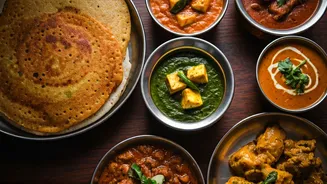
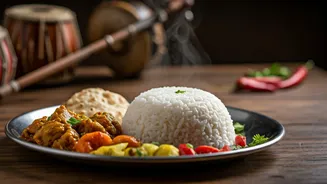
To understand Himachali food is to understand the landscape: rugged, generous, and deeply comforting. The quintessential culinary experience is the *Dham*, a traditional feast typically served on special occasions but now available in many local eateries catering to curious travelers. Forget a single main course; the Dham is a symphony of flavors served on a platter or leaf plate. It’s a showcase of slow-cooked, subtle-spiced vegetarian dishes. You’ll find *Madra*, a creamy chickpea or kidney bean curry cooked in a tangy yogurt gravy that’s unique to the region. Alongside it might be *Chana Dal* (split chickpea lentils) and *Khatta*, a sweet and sour sauce that cleanses the palate. The dishes are cooked without onion or garlic, relying instead on asafoetida, ginger, and a complex blend of local spices for their distinctive aroma.
The Comfort of Siddu and Street-Side Treats
Beyond the ceremonial Dham, the food of the hills is practical and hearty. The must-try snack is *Siddu*, a steamed bread made from wheat flour, stuffed with a savory filling of poppy seeds, walnuts, or paneer. It’s a fluffy, warm parcel of comfort, typically served with a dollop of ghee (clarified butter) or a side of green chutney. It's the kind of food that feels like it was designed to be eaten on a chilly evening while gazing at misty mountains. Exploring the smaller lanes off the main tourist drag will also reveal vendors selling hot sweet corn roasted over coals and other simple, satisfying bites that offer a direct connection to the local way of life. It’s in these simple pleasures that the true flavor of Himachal resides.
The Pulse of the Mountains: Folk Music
Once your hunger is sated, it’s time to listen. The music of Himachal Pradesh is as integral to its identity as its cuisine. The most famous cultural export is the *Nati*, a traditional folk dance that is less a performance and more a collective expression of joy. Performed in a slow, swaying rhythm, dancers link arms and move in long, winding lines, their colorful woolen shawls and caps creating a mesmerizing spectacle. The music that accompanies the Nati is infectious, driven by a chorus of traditional instruments. You don't just watch a Nati performance; you feel its communal energy. It’s a common sight at festivals, weddings, and cultural shows, and its gentle, repetitive beat feels perfectly in sync with the pace of mountain life.
The Instruments That Tell a Story
The soundtrack to the Himalayas is played on instruments forged from the land itself. The dominant sound is often the booming beat of the *Dhol* and *Nagara*, large drums that provide a powerful, grounding rhythm you can feel in your chest. Weaving around this pulse is the sharp, celebratory melody of the *Shehnai*, a wind instrument that sounds like a more rustic cousin of the oboe. In grander processions, you might also hear the imposing sound of the *Karnal* and *Ransingha*, long, S-shaped brass horns that announce festivities across the valleys. This isn't background music; it's the living, breathing voice of the mountains, telling stories of harvests, changing seasons, and community celebrations that have echoed through these hills for centuries.