

The Legacy of 'Too Much'
For decades, both in the Western imagination and in many Indian homes, traditional decor was an exercise in glorious maximalism. Think dark, ornately carved rosewood furniture, heavy damask curtains blocking out the sun, and rooms filled with brass statues
and memorabilia from generations past. This style was a statement of heritage, prosperity, and permanence. Each piece was an anchor, tying a family to its history. It was a design language built for sprawling ancestral homes with high ceilings and dedicated rooms for every activity—a formal living room, a dining room, a prayer room. But in the context of modern life, this aesthetic can feel less like a rich tapestry and more like a beautiful, but bulky, burden. It’s a style built for presentation, not for a Tuesday morning Zoom call from the dining table.
A New Reality: The Urban Squeeze
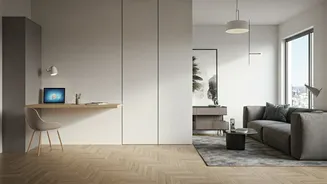
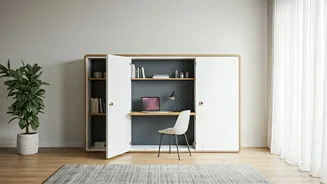
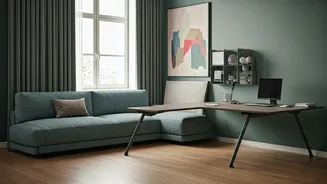
The primary catalyst for this design evolution isn’t a sudden change in taste; it’s a dramatic change in space. India is one of the most rapidly urbanizing countries in the world. Millions have moved to bustling megacities like Mumbai, Bangalore, and Delhi, swapping spacious family homes for compact apartments. A 1,000-square-foot, two-bedroom apartment is now the aspirational norm for a growing middle class. This urban squeeze has forced a fundamental rethink of what a home needs to do. A living room is no longer just for receiving guests; it’s a home office, a kids’ play area, and a yoga studio. Heavy, single-purpose furniture that consumes floor space and blocks natural light is a luxury few can afford. The new generation of homeowners, exposed to global trends like Scandinavian minimalism and Japanese functionalism, is demanding more from their environment. They need their homes to be flexible, efficient, and calming—a sanctuary from the chaotic city outside.
Function Marries Tradition
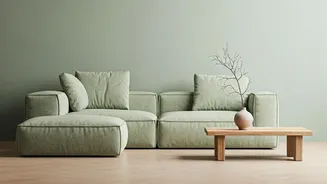
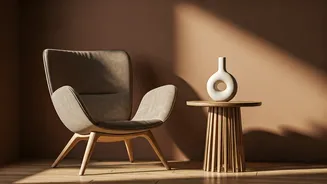
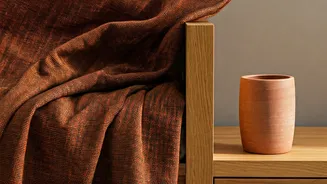
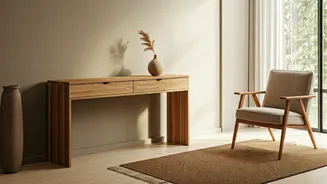
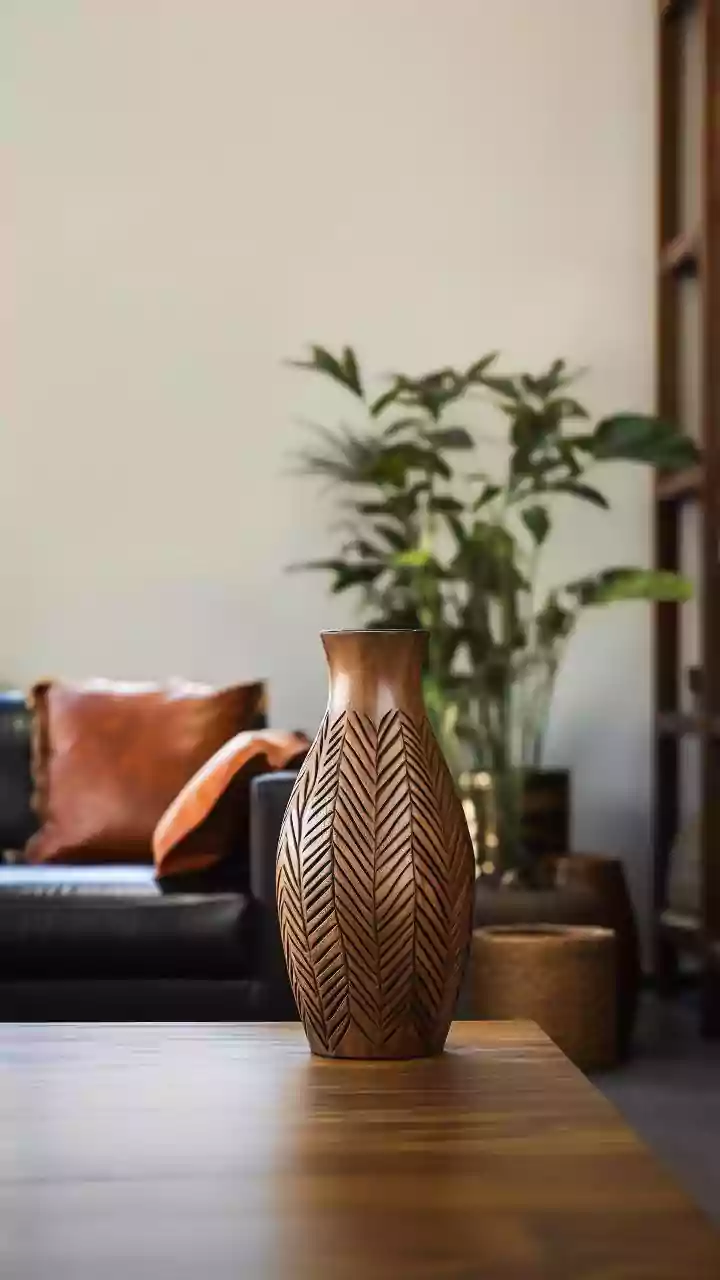
This shift isn't about erasing Indian identity in favor of a sterile, generic modernism. Instead, it’s about a brilliant act of translation. Designers and homeowners are asking: how can we keep the soul of Indian craftsmanship while making it work for today? The answer is in clever adaptation. The heavy, carved wooden chest becomes a sleek, low-profile sideboard with cane webbing for a touch of texture. The traditional 'diwan' (daybed) is redesigned with built-in storage underneath. Rich, heavy silks are replaced by hand-loomed cottons and block-printed linens used for light, airy cushions and throws. Brass is used more sparingly—as a sleek handle on a cabinet or a minimalist lamp, rather than a collection of heavy idols. The focus has moved from ornamentation to material and craft. The beauty is no longer in the complexity of the carving, but in the grain of the reclaimed teak wood or the perfect imperfection of a hand-thrown ceramic pot.
The Rise of a Neo-Indian Aesthetic
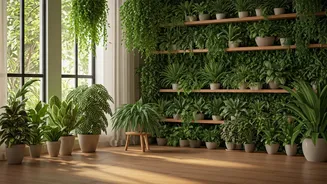
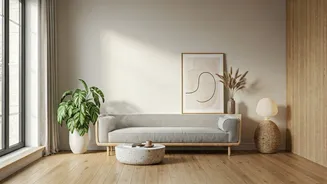
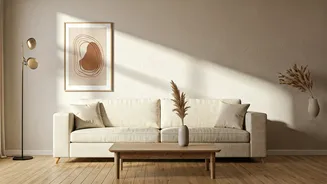
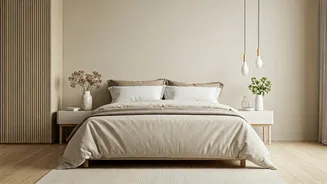
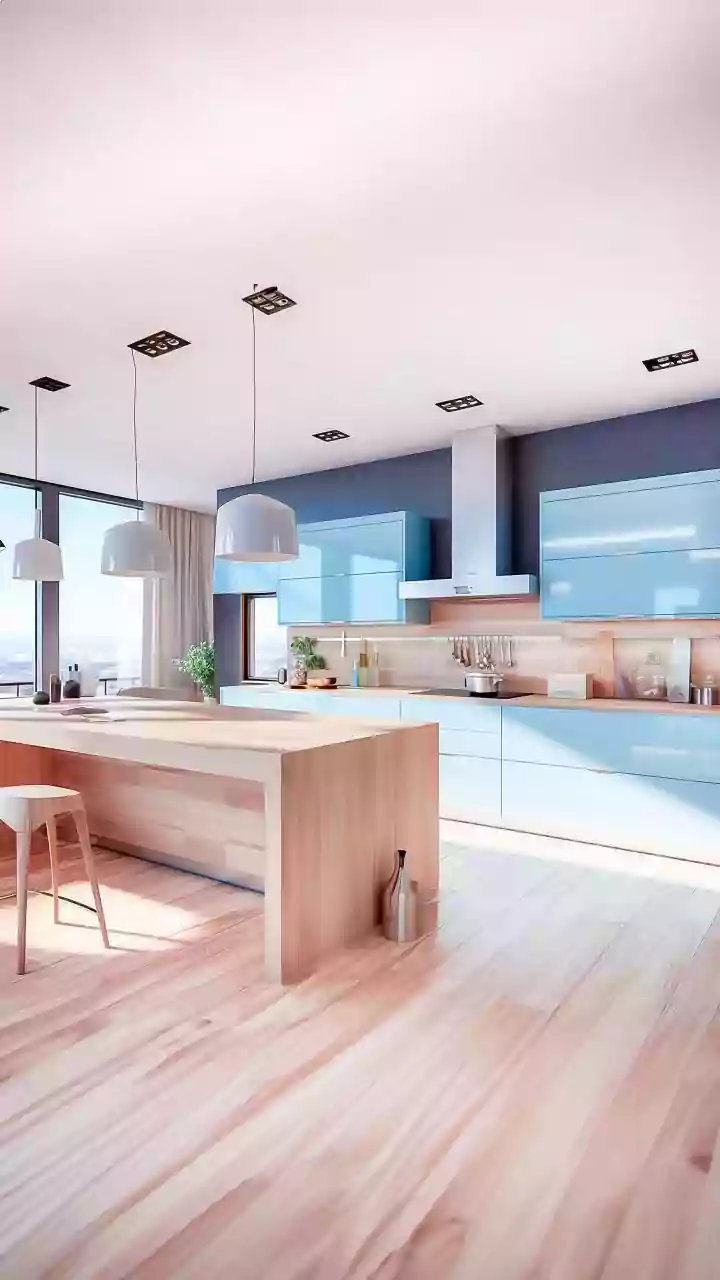
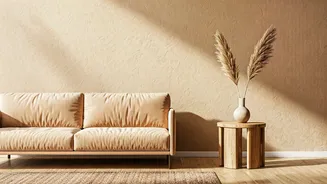
The result of this evolution is a new, distinctly 'neo-Indian' aesthetic. It’s warmer than Scandinavian design, more personal than pure minimalism, and deeply connected to its roots without being enslaved by them. Spaces are decluttered and multi-purpose, with an emphasis on natural light and ventilation—a key principle of traditional Indian architecture that was somehow lost in the colonial era. Color is still present, but it’s used more strategically: a single 'jaipur blue' accent wall or vibrant art, set against a neutral palette of whites, beiges, and natural wood tones. Traditional motifs like the 'jaali' (latticed screen) are being reimagined in laser-cut metal or MDF as room dividers that define space without closing it off. This new Indian interior is less about displaying wealth and more about supporting wellbeing. It’s a home that breathes, adapts, and works as hard as its occupants.