


This Isn't Your Average Camry
Let’s get one thing straight: this isn't your typical late-night Uber ride in a slightly-too-fragrant Toyota. The “Uber Drift” experience was a meticulously crafted piece of marketing theatre, a brilliant, high-octane fever dream cooked up by Uber Japan.
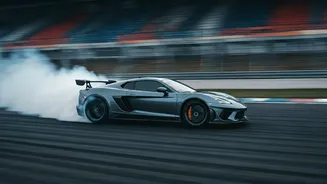
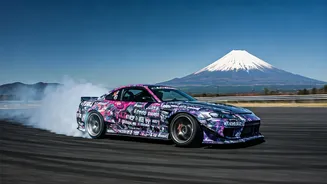
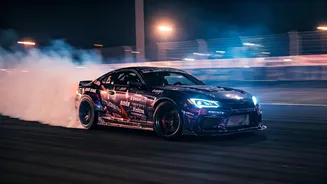
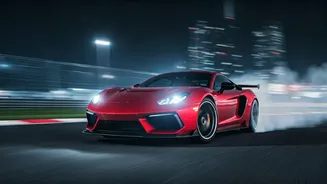
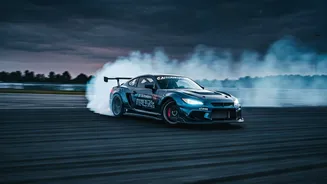
The setting wasn’t a congested downtown street but the breathtaking, winding mountain roads of Hakone, a region famous for its hot springs and views of Mount Fuji. And the car? Forget a sensible hybrid. The vehicle of choice was a custom-built, 650-horsepower Lamborghini Murciélago, nicknamed the “SLAMBO,” specifically modified for the art of drifting—the controlled chaos of sliding a car sideways through corners at high speed. This wasn't a service you could order on a whim; it was a limited-time, golden-ticket event, a promotional masterpiece designed to generate maximum buzz and associate the Uber brand with something far more exhilarating than a simple A-to-B journey.
The Ringmaster Behind the Wheel
A chariot like the SLAMBO requires a world-class driver, and Uber certainly didn’t skimp. They handed the keys to “Mad Mike” Whiddett, a New Zealand-born professional drifting legend and Red Bull athlete. Whiddett is a rockstar in the motorsport world, known for his aggressive style and flair for showmanship. Putting him behind the wheel wasn't just a practical choice; it was a statement. This wasn’t some amateur stunt. This was a master of a highly technical discipline performing at the peak of his craft, turning a passenger ride into a front-row seat at a world-championship-level performance. For the lucky few who got to ride along, the experience was less about transportation and more about becoming a co-pilot in a symphony of roaring engine noise, squealing tires, and perfectly executed G-force-inducing slides. Whiddett’s involvement lent the campaign an authenticity that money alone can't buy, bridging the gap between corporate marketing and genuine car culture.
The Ultimate Tourist Attraction
For the passengers, this was the ultimate evolution of a scenic tour. Instead of quietly admiring the Hakone Turnpike's majestic scenery through a window, they experienced it as a moving, dynamic backdrop to an adrenaline rush. Imagine the world-famous landscape of Japan—serene forests, mountain vistas—blurring into a kaleidoscope of color as the Lamborghini pirouettes through a corner, engine screaming. It’s tourism as theatre, a multisensory event that transforms a passive sightseeing trip into an unforgettable, shareable memory. The G-forces pin you to your seat, the smell of burning rubber hangs in the air, and the sound of the V12 engine echoes off the mountainsides. This is the very definition of the “experience economy,” where the value isn't in the object or the service itself, but in the unique, immersive, and highly Instagrammable story you get to tell afterward. Uber wasn't just giving a ride; it was manufacturing a core memory.
Marketing in the Key of V12
So, what's the endgame for a project like Uber Drift? It’s certainly not a scalable business model. The real return on investment isn't in fares; it’s in priceless brand elevation. In a fiercely competitive market, Uber needs to stand for more than just convenience. Stunts like this reposition the brand as innovative, exciting, and culturally relevant. The campaign generated millions of views across YouTube, Instagram, and TikTok, reaching a global audience far beyond its small corner of Japan. It’s a form of advertising that doesn't feel like advertising. It’s entertainment. For every person who rode in the car, hundreds of thousands more watched the videos, shared the articles, and subconsciously linked the Uber name with the thrill of motorsport. This is how modern brands win hearts and minds: not by shouting about their utility, but by creating spectacles that people can’t help but talk about.