




What Is a Monsoon Weekend?
Let’s get one thing straight: a “Monsoon Weekend” doesn’t literally mean chasing thunderstorms. Think of it as a metaphor for a new kind of getaway: an intense, immersive, and utterly restorative 48-to-72-hour escape. It’s the antithesis of the sprawling,
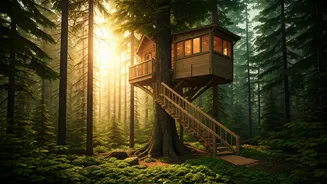
over-scheduled, ten-city European tour. Instead of a trip that requires a spreadsheet and months of saving, the Monsoon Weekend is defined by its simplicity and intention. It could be holing up in a cozy cabin two hours from home with nothing but a stack of books and a fireplace. It might be checking into a boutique hotel in your own city, exploring your neighborhood like a tourist, and ordering indulgent room service. Or it could be a spontaneous road trip to a state park you’ve always meant to visit. The key ingredients are a short travel radius, a limited itinerary (one great hike, one fantastic meal, one museum), and a commitment to disconnecting from the daily grind.
The Slow Decline of the Big Break
For generations, the two-week vacation was the prize at the end of a long year of work. But in today’s economic and cultural climate, that model is showing its cracks. First, there’s the financial strain. With rising airfare and accommodation costs, a massive trip can feel more stressful than relaxing. Then there’s the planning fatigue; the mental load of organizing a complex, multi-day itinerary can feel like a second job. Post-pandemic work culture has also played a role. While some have more flexibility, many feel an “always-on” pressure that makes fully disconnecting for two weeks seem impossible. The result is often a vacation spent secretly checking emails, followed by a dreaded mountain of work upon return. This cycle has led many to question the payoff. Is one giant, expensive, and logistically nightmarish trip really better than several smaller, easier, and more frequent moments of true rest?
More Breaks, Less Burnout
The psychological case for the Monsoon Weekend is surprisingly strong. Research on happiness and vacationing suggests that the positive effects of a long holiday fade remarkably quickly, often within a week of returning to work. The anticipation of the trip often provides a greater mental boost than the trip itself. This is where micro-vacations shine. By peppering the year with several short, deliberate breaks, you get to experience that joyful anticipation multiple times. These frequent getaways act as circuit breakers for stress. They prevent the slow-burn exhaustion that creeps in over months of uninterrupted work. Instead of waiting for one big release valve, you’re regularly letting off steam, keeping your mental and emotional batteries charged. A weekend away every two or three months can be a more effective strategy against burnout than a single, epic trip once a year.
How to Engineer Your Own Escape
Ready to embrace the trend? Planning a Monsoon Weekend is blessedly simple. First, think close to home. The goal is to maximize relaxation time and minimize travel stress, so pick a destination within a three-hour drive or a short, direct flight. Second, abandon the packed itinerary. Give yourself one, and only one, primary objective for the weekend. This could be finishing a novel, trying a specific brewery, or simply sleeping in without an alarm. Anything else is a bonus. Third, lean into the “off-season” vibe. The metaphorical “monsoon” means going when others don’t. You’ll be rewarded with fewer crowds, lower prices, and a more authentic experience. Finally, the most important rule: disconnect. Put your phone on “do not disturb” and leave the laptop at home. The goal isn’t just to be in a new place, but to be fully present in it.