







More Than a Safari
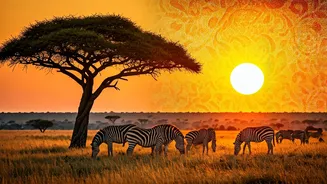
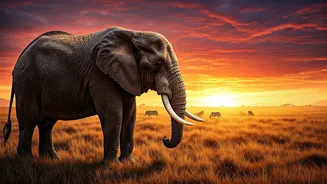
For decades, the American travel imagination has painted Kenya with a single, albeit magnificent, brushstroke: the wildlife safari. The image of the Great Migration across the Maasai Mara or elephants silhouetted against a Kilimanjaro sunrise is a powerful
draw. And for good reason—it’s one of the planet’s most breathtaking spectacles. Yet, Kenya is now curating an experience that speaks specifically to a different audience: the discerning Indian traveler. This isn't just about seeing lions and leopards; it's about experiencing raw nature in a context that feels both thrillingly new and surprisingly familiar. The country's tourism board has recognized a shared reverence for nature and is showcasing its conservation efforts and ecological diversity in a way that resonates deeply. It’s an invitation to witness not just the 'Big Five,' but the intricate web of life that thrives in the country’s world-famous national parks and private conservancies.
A Taste of Home, Miles Away
Perhaps the most underrated comfort for any international traveler is food. For many Indian travelers, especially those with specific dietary needs like vegetarianism, navigating foreign menus can be a source of anxiety. This is where Kenya offers a remarkable and welcome surprise. Thanks to a vibrant Indian-Kenyan community that has been integral to the nation’s fabric for over a century, Indian cuisine is not a novelty; it's a staple. From the bustling streets of Nairobi's 'Diamond Plaza' (often called Little India) to high-end safari lodges in the heart of the bush, finding a delicious dal, perfectly spiced curries, or fresh chapati is astonishingly easy. This culinary bridge means travelers don't have to compromise. They can spend a day tracking rhinos and end it with a meal that tastes like home, creating a seamless blend of adventure and comfort that few other safari destinations can offer.
The Enduring Indo-Kenyan Link
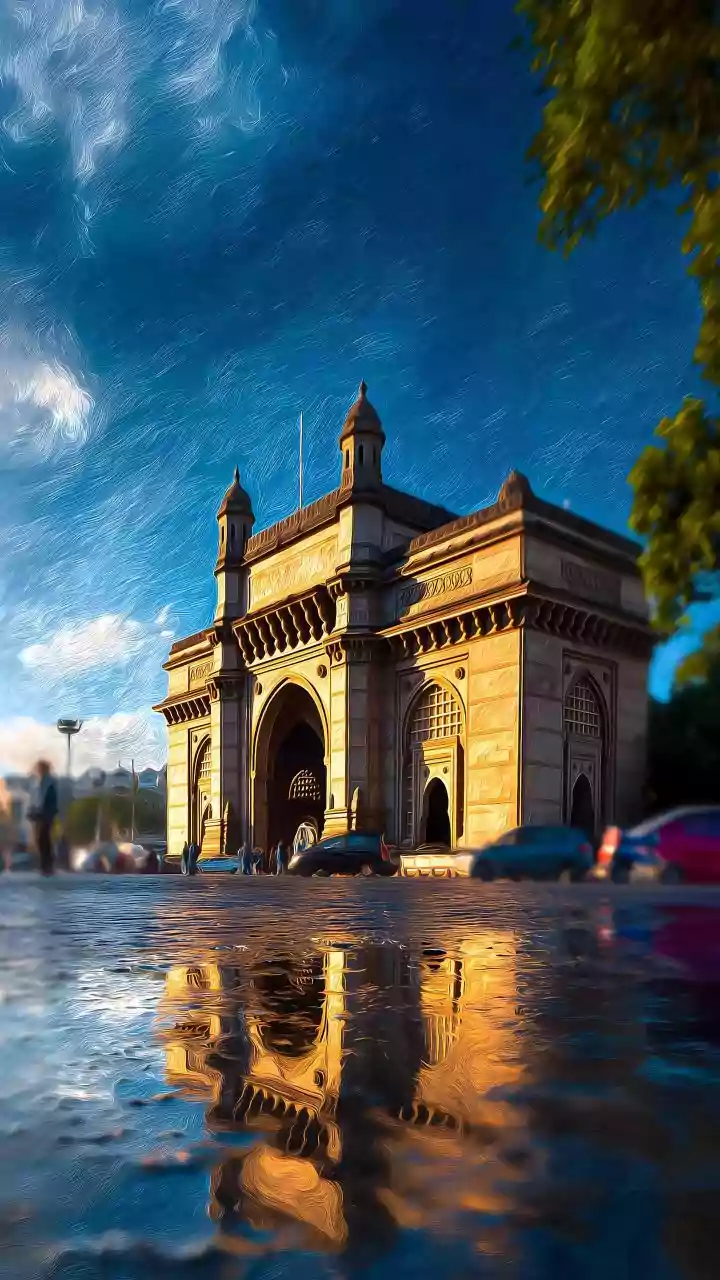
The connection between India and Kenya is etched into the very infrastructure of the nation. It began in the late 19th century when thousands of Indian laborers were brought in to build the Kenya-Uganda Railway, famously dubbed the 'Lunatic Express.' These workers and merchants stayed, building communities that have since become a cornerstone of Kenya’s economy and culture. This shared history provides a unique backdrop for Indian visitors. In cities like Mombasa and Nairobi, you can see Hindu temples and Jain derasars standing alongside mosques and churches. The story of this diaspora is a story of resilience, entrepreneurship, and cultural fusion. For an Indian traveler, this isn't just a historical footnote; it's a living legacy that adds a profound layer of connection to the journey, transforming a simple vacation into a discovery of shared heritage.
Where Culture and Commerce Collide
Beyond the historical ties, there's a palpable similarity in the social fabric. Both cultures place a high value on family, community, and vibrant traditions. The bustling, colorful markets of Nairobi feel instantly recognizable to anyone who has navigated a bazaar in Delhi or Mumbai. The Kenyan love for bright, patterned textiles—seen in the iconic Maasai shuka or the coastal kikoy—finds a kindred spirit in India’s rich textile traditions. This cultural resonance makes interactions feel natural and warm. It’s in the friendly haggling at a craft market, the shared appreciation for intricate beadwork, and the welcoming spirit of Kenyan hospitality, which mirrors the Indian principle of 'Atithi Devo Bhava' (The guest is God). This alignment makes Kenya feel less like a foreign country and more like a distant, exotic cousin.
Making the Journey Seamless
Recognizing this growing interest, Kenya has made the practicalities of travel easier than ever. In late 2023, the country announced a visa-free policy for all international visitors, removing a significant layer of travel bureaucracy. This move, combined with direct flights from cities like Mumbai to Nairobi, slashes travel time and complexity. Tour operators and lodges are increasingly adept at catering to Indian clientele, offering tailored itineraries that balance wildlife viewing with cultural excursions and, of course, culinary requirements. The entire ecosystem is adapting to make the answer to Kenya’s call an emphatic 'yes.' It signals a clear understanding that the modern Indian traveler is looking for a world-class experience that doesn’t require them to leave their cultural identity at the departure gate.