



The Burnout of the Perfect Body
For over a decade, social media fitness—or "fitspo"—was dominated by a single, powerful aesthetic. It was a highlight reel of impeccably lit torsos, aspirational lifestyle shots, and the implicit promise that if you just bought the right tea or did the right 15-minute
workout, this life could be yours. The problem? For most people, it was a recipe for disappointment. This brand of inspiration often fostered a toxic culture of comparison, where the goal wasn't personal health but a relentless pursuit of an often-unattainable, genetically-gifted ideal. The focus was entirely on the end result, with little honest discussion of the messy, difficult, and highly individual process required to achieve any fitness goal. This left millions feeling like they were failing, when in reality, they were just comparing their chapter one to someone else's edited and curated chapter twenty.
Enter the Age of Measurable Progress
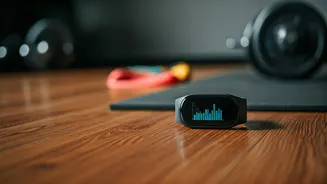
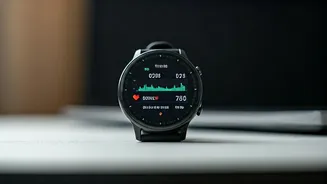
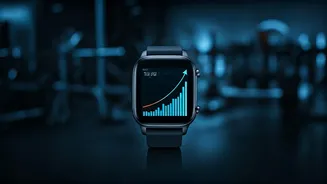
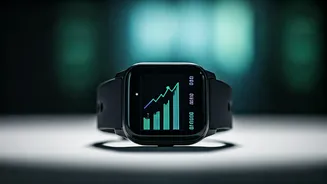
The new wave of fitness content that’s cutting through the noise looks completely different. It's less about the static selfie and more about the dynamic screenshot. Think less “beach body” and more a photo of a Garmin watch displaying a new personal best on a 5k run. Instead of just a flexing bicep, you see a logbook app showing a steady increase in weight lifted over six months. This is the era of measurable fitness. Creators are building massive followings by sharing their workout data, their training splits, their heart rate zones, and their mobility scores. They are showing their work. This shift democratizes success. You don't need to have a certain body type to celebrate shaving 30 seconds off your mile time or finally deadlifting your body weight. Progress becomes personal, objective, and undeniable. It’s a game you play against your former self, and your followers get to watch the stats prove you’re winning.
Why Data-Driven Content Resonates
This trend is winning for a few key psychological reasons. First, it offers genuine utility. Watching someone perform a perfect squat is one thing; seeing their entire six-week programming that led to a 50-pound increase is actionable. It provides a blueprint, not just a destination. Second, it feels more authentic. Sharing a post about hitting a new personal record, even if you still have love handles, is relatable and real. It reframes fitness as a practice, not a state of perfect being. This fosters a community built on shared effort rather than shared envy. Finally, it taps into the gamification of our lives. In a world of step counters, sleep scores, and productivity apps, applying the same measurable framework to our workouts feels natural. It makes the abstract goal of "getting healthier" concrete and trackable, providing the small, consistent dopamine hits that keep us motivated.
How to Curate a Healthier Fitness Feed
This shift isn’t just happening; it’s something you can actively participate in. If your feed is making you feel more inadequate than inspired, it’s time for a digital declutter. Unfollow the accounts that trigger comparison and seek out creators who focus on performance, education, and process. Look for runners sharing their training logs, powerlifters discussing progressive overload, or yogis charting their mobility gains. Engage with content that asks “What can your body do?” instead of just “How does your body look?” By doing so, you're not just improving your own mindset; you're voting with your attention. You're telling the algorithm—and by extension, the entire fitness industry—that you value strength over aesthetics, progress over perfection, and genuine motivation over empty aspiration.