





From Lazy to Luxurious
For decades, American hustle culture championed the idea that sleep was for the weak. The power lunch, the 6 AM workout, the late-night emails—these were the badges of honor. Napping, if it happened at all, was for toddlers and grandparents. But a cultural
shift has been brewing. Fueled by a pandemic that blurred the lines between work and home and a growing awareness of chronic burnout, society is finally waking up to the importance of rest. Suddenly, getting enough sleep isn’t lazy; it’s a high-performance strategy. And where there’s a cultural shift, a market opportunity is sure to follow. Enter the hospitality industry, perfectly positioned to capitalize on our collective exhaustion.
The Anatomy of a High-End Nap
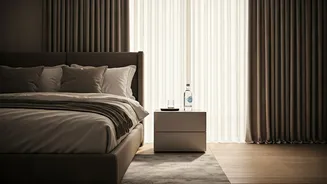
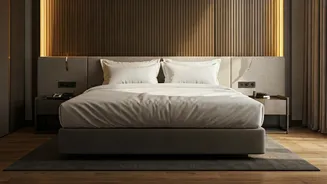
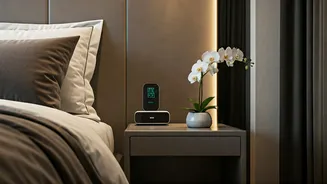
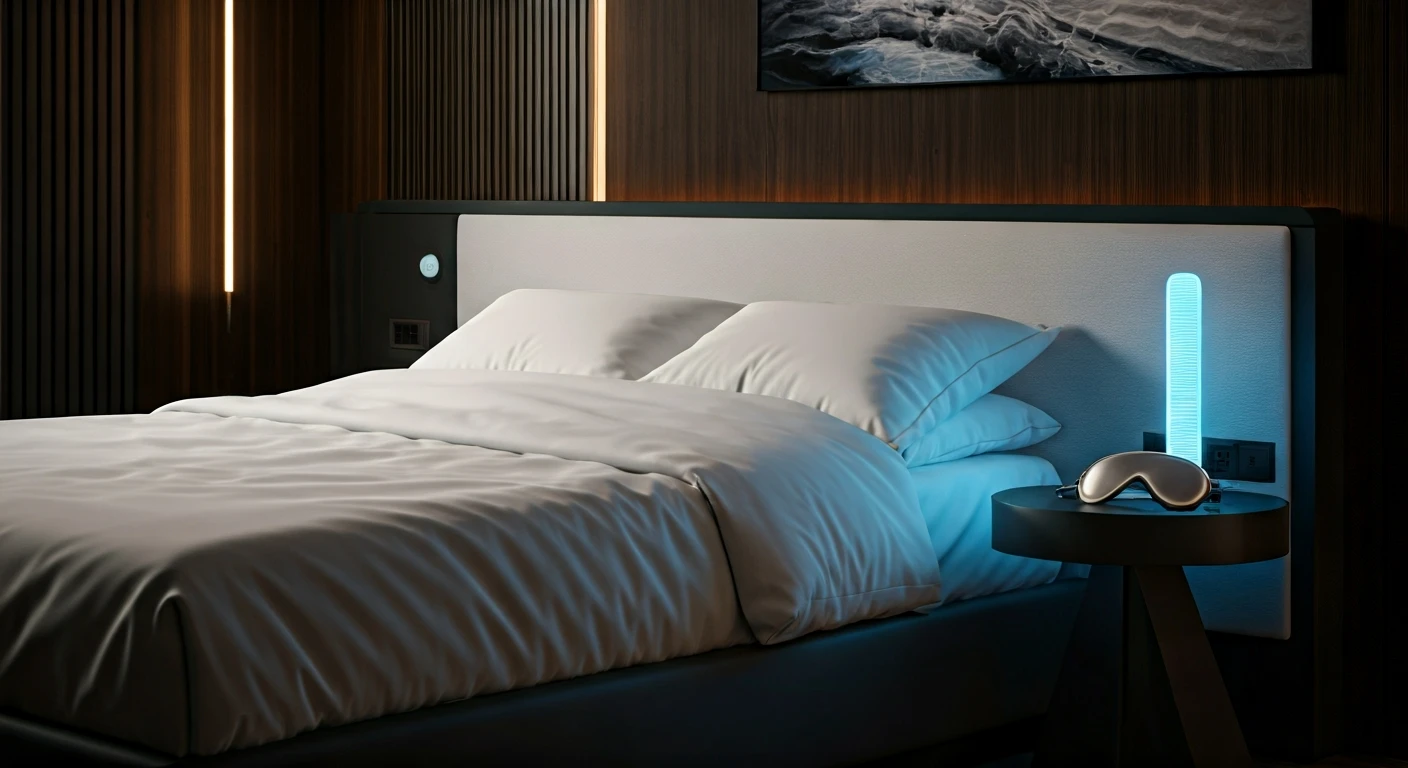
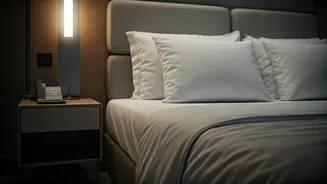
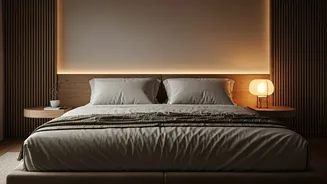
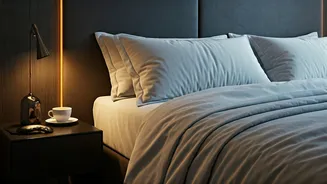
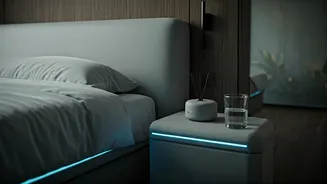
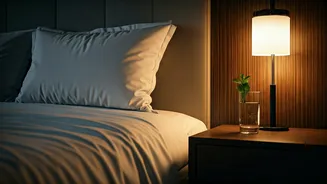
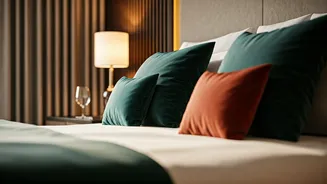
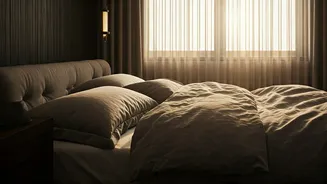
This isn’t about just crashing on a freshly made bed. Hotels are curating the nap into a full-blown experience. In New York, The Benjamin Hotel has long offered a “Rest & Renew” program, complete with a dedicated sleep concierge, a pillow menu with a dozen options, and in-room spa treatments. The Park Hyatt New York introduced a specialized “Bryte Restorative Sleep Suite” featuring a smart bed that adjusts to your body throughout the night—or a 90-minute nap cycle. Airport hotels like Yotel were pioneers, offering tiny but well-designed cabins, or 'pods', rentable by the hour for weary travelers needing to recharge between flights. These offerings go beyond simple comfort. They include blackout curtains, white noise machines, curated playlists, aromatherapy diffusers with lavender scents, and even weighted blankets, all designed to optimize a short period of rest.
The Business of Being Well-Rested
Why are hotels investing so heavily in something we can technically do for free at home? The answer lies in the booming wellness economy, an industry valued in the trillions. Wellness tourism is one of its fastest-growing sectors, and sleep is its new frontier. By offering “nap menus” or dedicated sleep programs, hotels can attract a new demographic of health-conscious guests and create a new revenue stream. It’s also a powerful differentiator in a crowded market. An Instagram story from a serene, beautifully designed “nap pod” is far more compelling marketing than another photo of a generic hotel gym. It transforms the hotel from a simple place to stay into a destination for self-care and personal optimization, reframing a stay not as an expense, but as an investment in one’s well-being.
A Symptom of a Tired Society
While the idea of a professionally curated nap sounds blissful, there’s a more critical way to view this trend. Does the rise of the luxury nap signal a positive cultural embrace of rest, or does it highlight a society so fundamentally exhausted that we now have to purchase sleep as a service? When a basic biological function becomes a commodified luxury experience, it’s worth asking what that says about our everyday lives. It suggests that for many, true rest has become inaccessible—something that can only be achieved by escaping our homes and paying an expert to create the perfect conditions. The luxury nap is a brilliant solution, but it’s a solution to a problem many of us wish we didn’t have in the first place.