




More Than Just Yogurt and Dosa
When Americans think of Indian food, fermentation might bring two things to mind: the tangy yogurt (dahi) that cools every spicy curry, or the wonderfully sour, airy batter for dosa and idli. While essential, these are just the tip of a vast, submerged
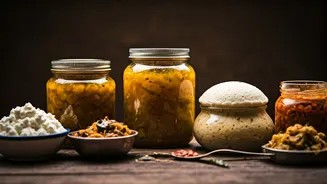
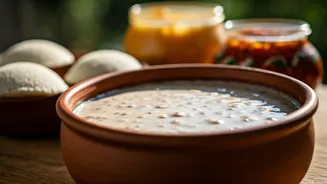
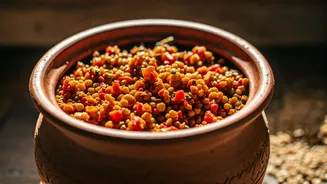
iceberg of fermented traditions. Across the subcontinent, hundreds of hyper-local, seasonal ferments have been staples for centuries. There’s Kanji, a sharp, probiotic-rich drink made in North India from black carrots and mustard seeds, traditionally enjoyed during the spring festival of Holi. In the South, you’ll find Koozh, a humble, savory porridge of fermented millet that’s a nourishing powerhouse for laborers. In the East, Pakhala—fermented rice soaked in water—is a cherished summer cooler in Odisha. These aren't new fads; they are ancient techniques for preserving food, enhancing nutrition, and developing complex flavors that are now being rediscovered and celebrated.
The Revival: Why Now?
So why is this bubbling up now? The trend is a perfect storm of global and local forces. Globally, the wellness conversation has pivoted hard toward gut health, making probiotic-rich foods a holy grail. But in India, the movement is also a conscious act of cultural reclamation. For a few decades post-liberalization in the 1990s, processed, packaged, and Western-style foods became symbols of modernity and aspiration. Traditional, slow foods were sometimes seen as old-fashioned. Today, a new generation—including prominent chefs, nutritionists, and home cooks—is pushing back. They are looking to their grandparents’ wisdom not as a relic of the past, but as a sophisticated solution for modern-day health and sustainability. This revival is about reconnecting with roots and recognizing the scientific genius embedded in ancestral food practices.
From Family Secrets to Fine Dining
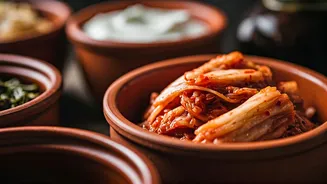
This fermentation renaissance isn't just happening quietly in homes. It’s becoming a defining feature of contemporary Indian cuisine. Chefs in top restaurants in Mumbai, Delhi, and Bengaluru are digging into their regional culinary archives. Instead of importing kombucha, they're fermenting local fruits. They’re creating modern dishes featuring house-made rice beers, fermented bamboo shoots, and pickles that go far beyond the standard mango achar. Chef-driven movements and social media have turned once-obscure regional ferments into objects of desire. Small-batch producers are bottling and selling everything from passionfruit kombucha to artisanal Kanji, making these flavors accessible to a wider urban audience who may have lost the direct link to these kitchen traditions.
A Taste of Place and Time
What makes India’s fermentation landscape so compelling is its sheer diversity and deep connection to terroir—the taste of a specific place. Unlike a standardized sourdough recipe, Indian ferments are intrinsically tied to local crops, climates, and communities. Gundruk, a fermented leafy green, captures the essence of the Himalayas. Akhuni, or fermented soybean, is a cornerstone of Naga cuisine, lending it a pungent, umami depth. This hyperlocal nature is a direct antidote to the homogeneity of global food culture. Each ferment tells a story about a specific region's agriculture, its seasons, and the resourcefulness of its people. It's a living library of flavor and history, captured in a bottle, a jar, or a bowl of porridge.