


More Than Just Steps and GPS
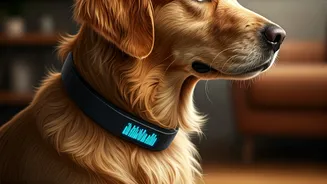
For years, pet technology meant a GPS chip to find a lost dog or a simple activity monitor that was little more than a canine pedometer. While useful, these tools barely scratched the surface. The new generation of health trackers is a different beast
entirely. Inspired by the advanced wearables humans use to monitor their own health, these devices are now collecting sophisticated, passive biological data. We’re talking about resting heart rate, heart rate variability (HRV), respiration rate, and detailed sleep analysis—metrics that provide a constant, low-level stream of information about your pet’s internal state. This isn’t about counting calories burned on a walk; it’s about establishing a comprehensive health baseline that can alert you to subtle changes long before visible symptoms appear.
Translating Their Secret Language
Pets are masters of hiding pain and illness, a survival instinct inherited from their wild ancestors. This stoicism is a source of constant worry for the people who love them. We’re left to interpret the vague signs: a little less enthusiasm for the food bowl, a slightly shorter walk, an extra hour spent on the couch. Advanced bio-trackers help translate this secret language into concrete data. A consistently elevated resting heart rate, for example, isn’t just a random fluctuation; it can be an early indicator of stress, pain, or developing cardiac issues. A sudden change in sleep patterns, with less time spent in deep, restorative sleep, could point to discomfort or anxiety. For the first time, we have objective data to back up that gut feeling that something is 'just not right,' empowering us to act sooner and more decisively.
The Power of a Personalized Baseline
What’s normal for a senior Great Dane is drastically different from what’s normal for a young Jack Russell Terrier. Even within the same breed, every animal is an individual. This is where bio-data trackers truly shine. Over the first few weeks, the device’s algorithm learns your specific pet’s unique rhythms—their typical heart rate during a nap, their breathing patterns overnight, their average activity level on a Tuesday. It builds a personalized health profile that becomes the gold standard for your pet. Instead of comparing your animal to a generic chart, the system compares them to their own history. When the tracker sends an alert, it’s not because your pet has crossed some arbitrary threshold, but because they have deviated significantly from their own established norm. This is the very definition of proactive, individualized preventive care.
A Vet's New Superpower
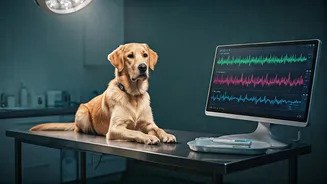
These devices are not meant to replace veterinarians—they’re meant to supercharge them. Imagine going to the vet not just with a list of symptoms you’ve observed, but with a detailed, data-rich report showing trends over the last three months. A vet can look at a chart of your dog’s resting respiration rate and see a gradual increase that would be impossible for an owner to notice. This data provides invaluable context, helping to distinguish between an acute issue and a chronic, slow-moving condition. It turns the annual check-up from a single snapshot in time into a well-informed review of a long-term health movie. This allows for earlier diagnostics, more effective treatment plans, and a stronger, more collaborative relationship between pet owner and veterinarian.