




The World Washed Anew
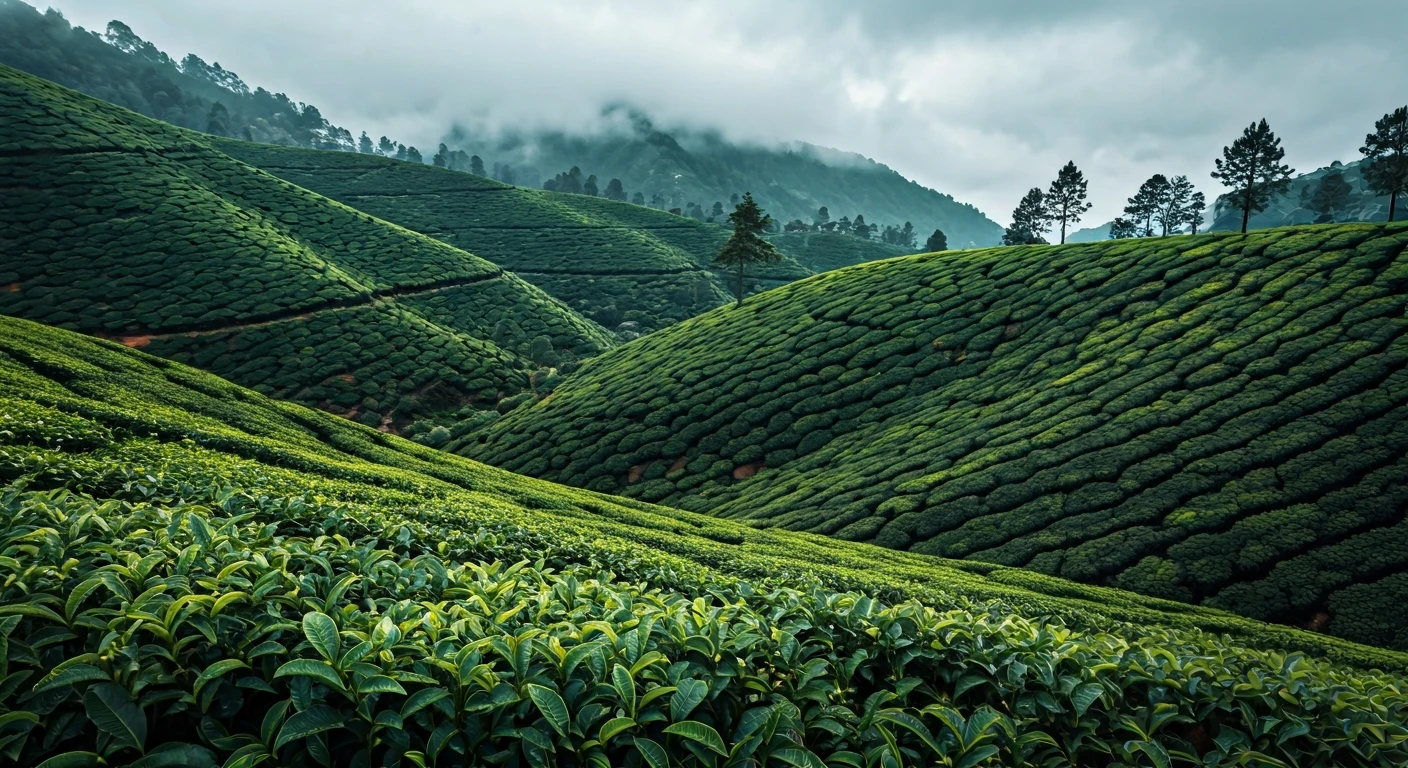
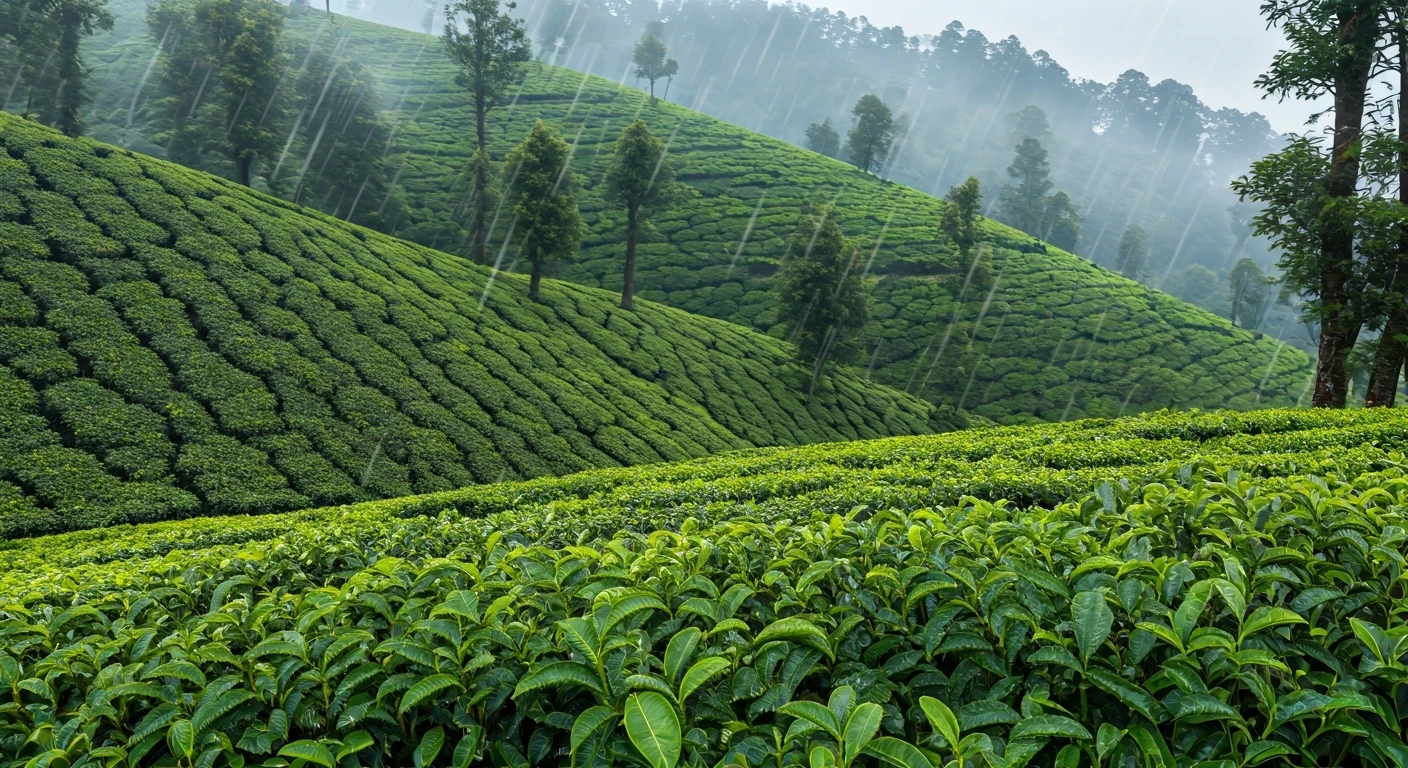
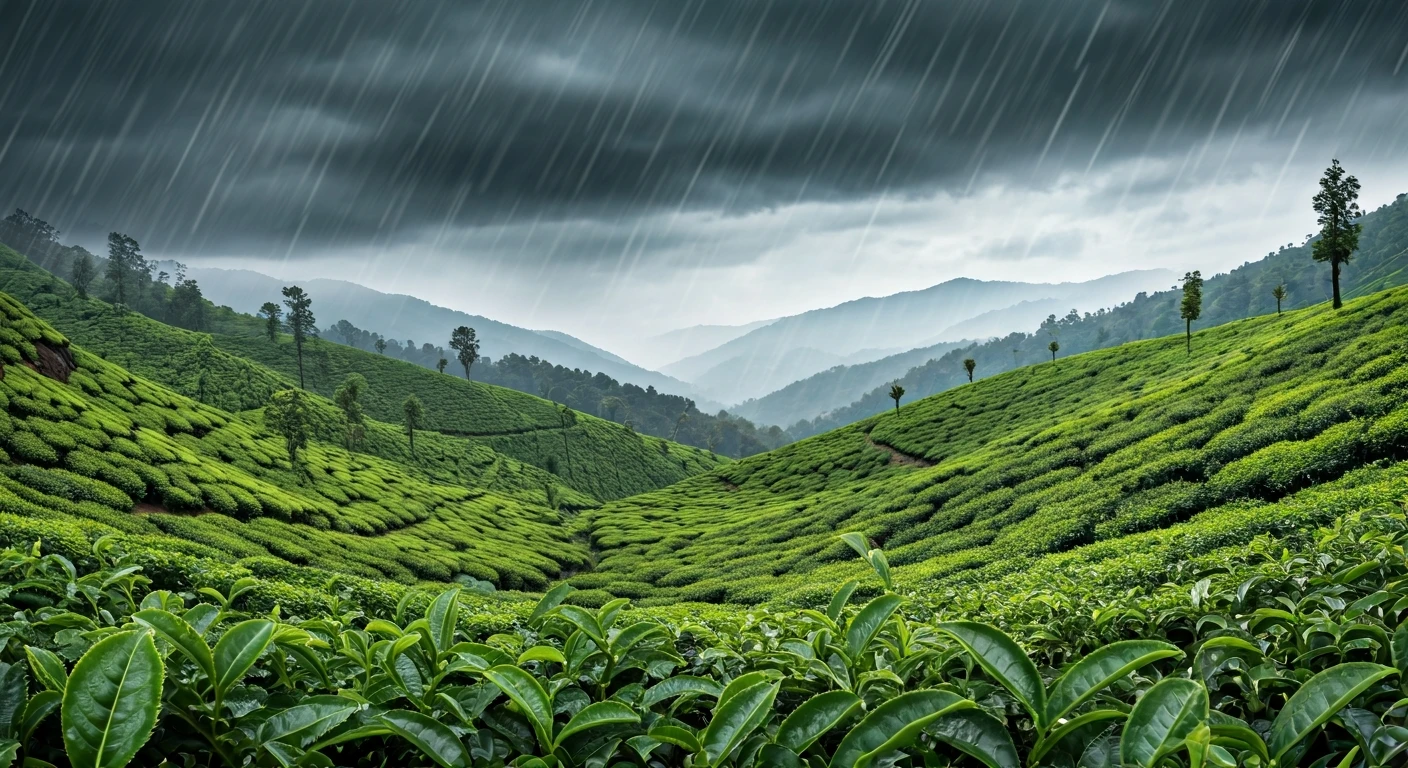
From June to September, the monsoon doesn’t so much arrive in Darjeeling as it does reclaim it. The first rains wash away the dust of the dry season, and the effect is instantaneous and startling. The landscape, already known for its rolling tea plantations,
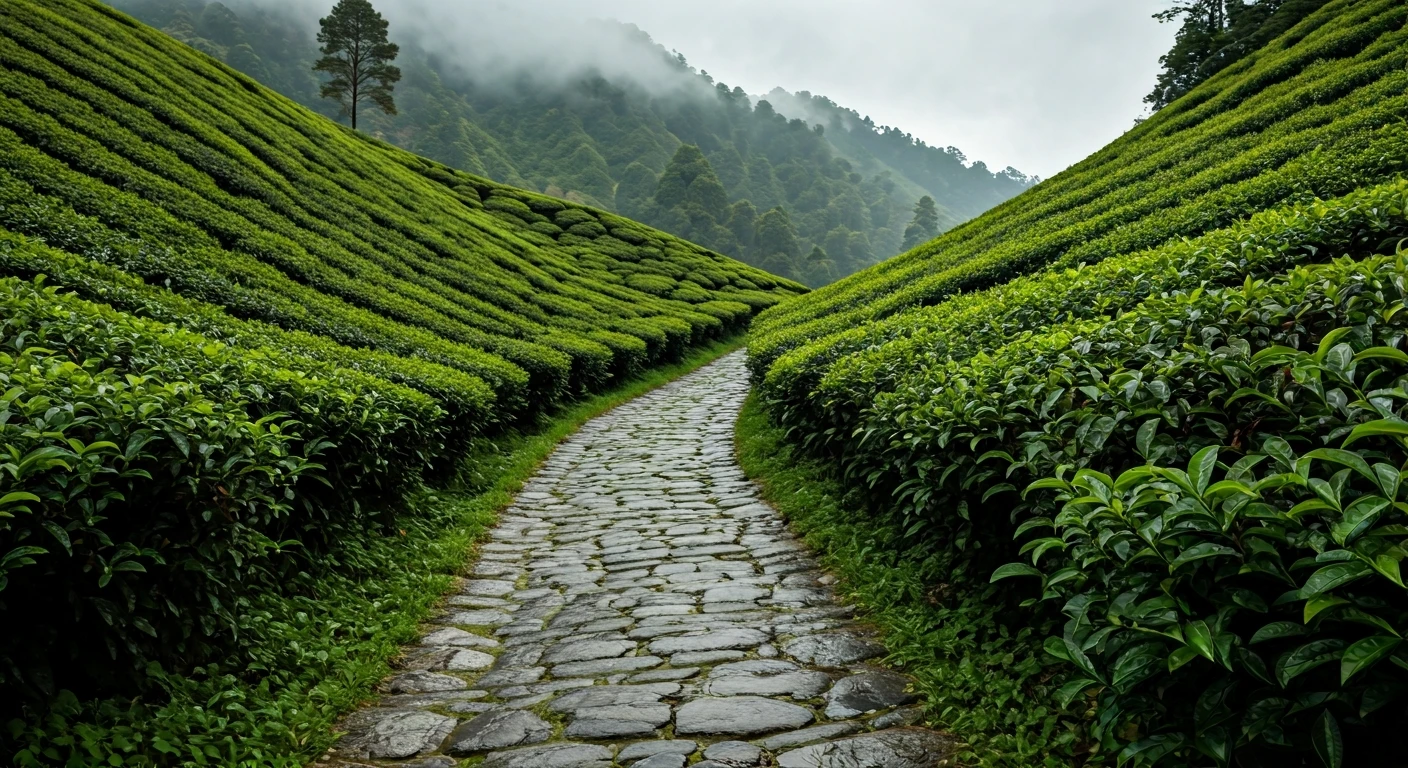
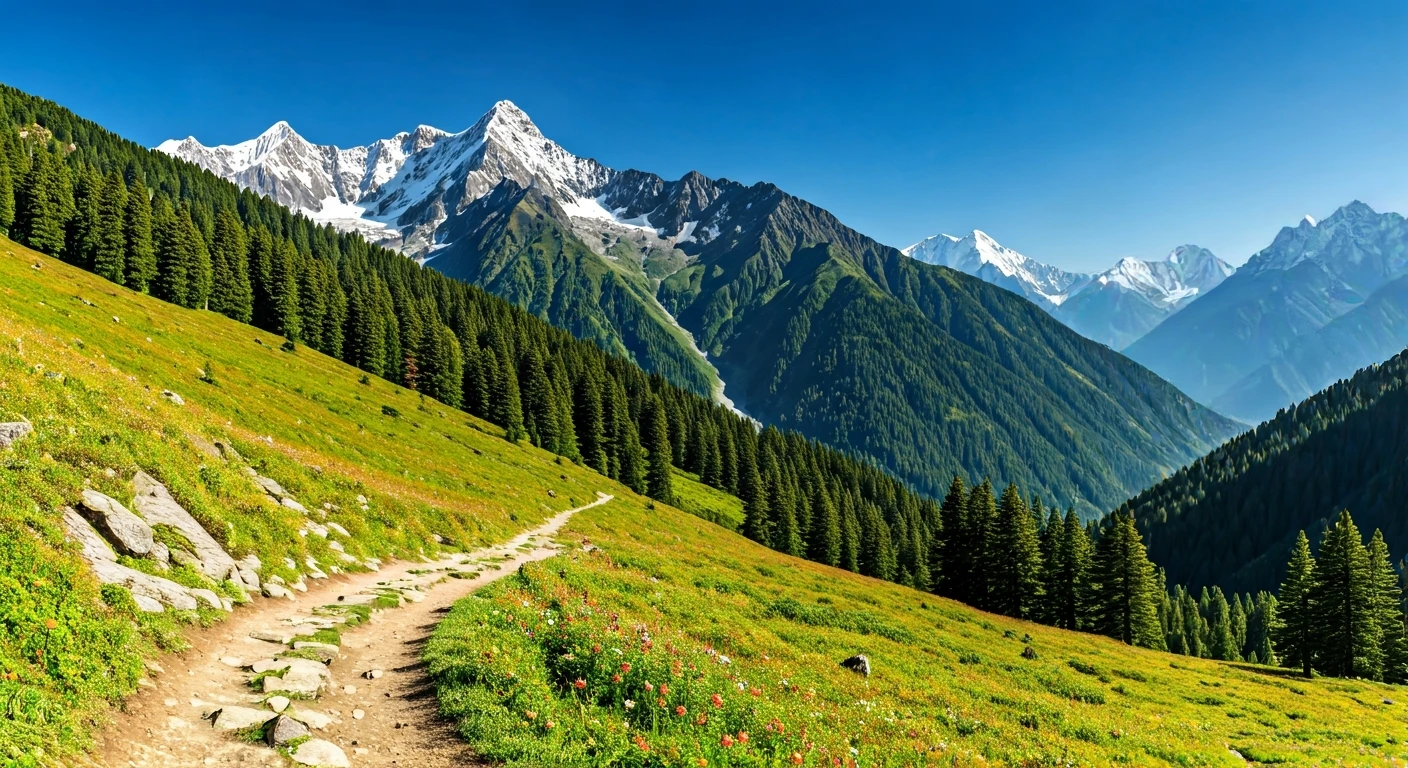
explodes into an impossible spectrum of greens. Emerald, jade, lime, and moss—every leaf and blade of grass seems to vibrate with life. The tired, brownish hills of May are replaced by a verdant paradise. The air itself feels different—cleaner, crisper, and carrying the scent of wet earth and pine. Far from obscuring the beauty, the rain polishes it to a high shine, revealing a vibrancy that the constant sun of peak season can’t match.
The Romance of the Mist
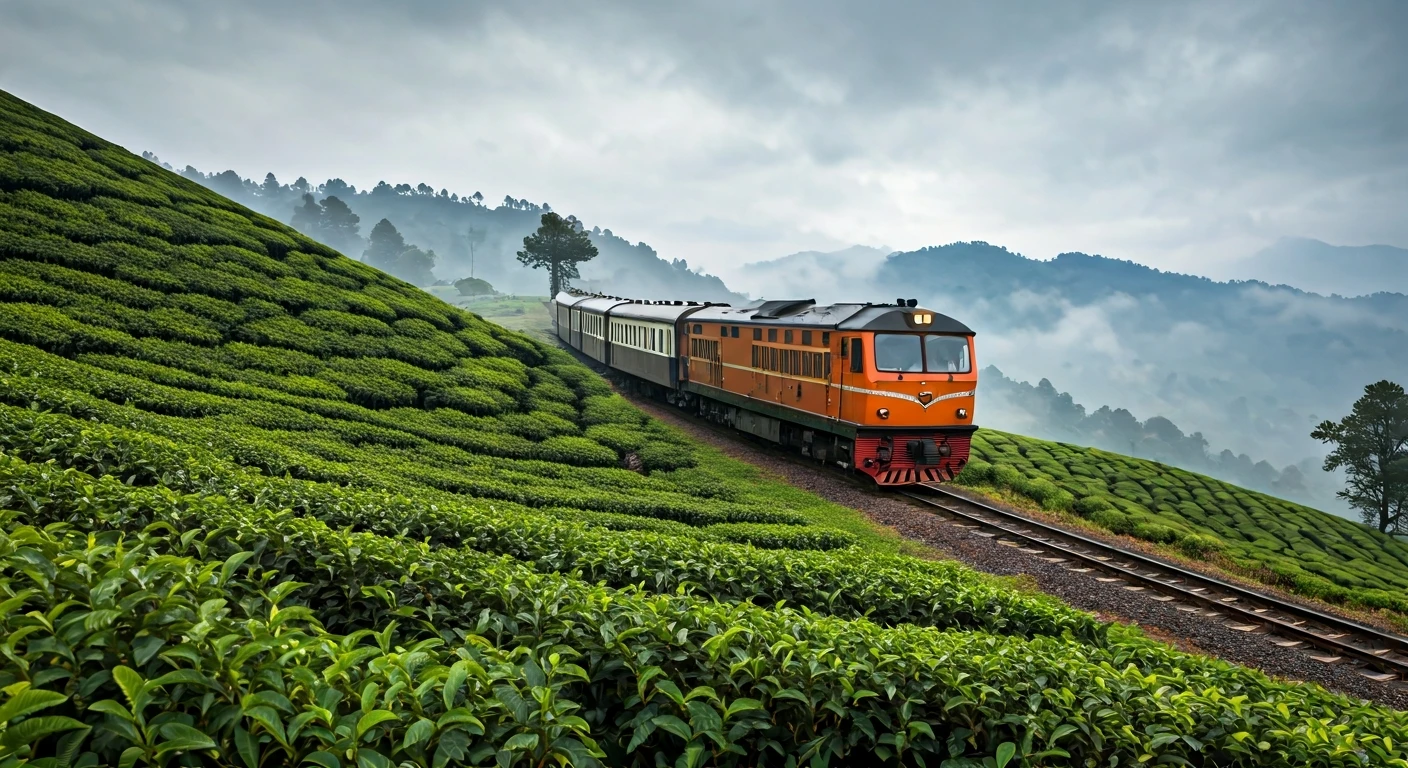
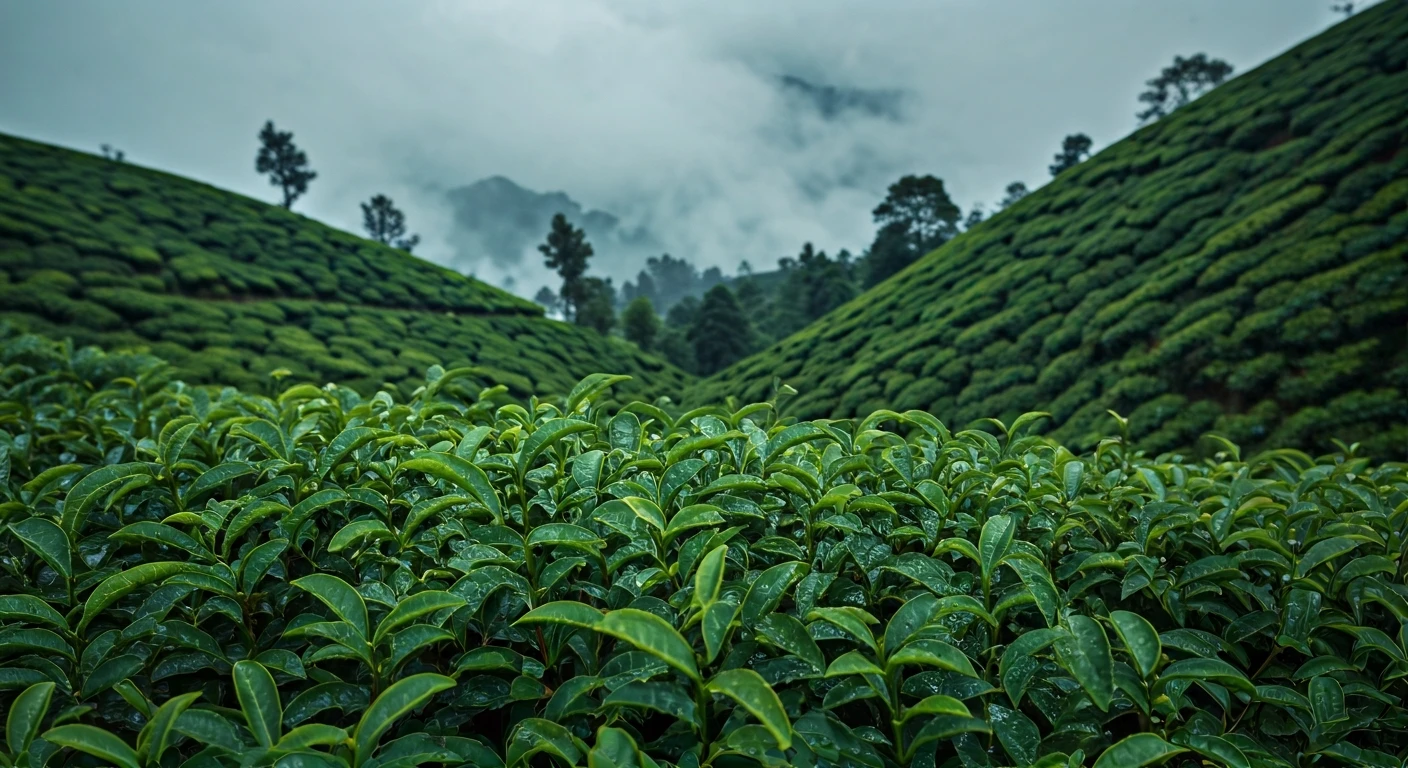
The single most transformative element of the Darjeeling monsoon is the mist. It’s not just weather; it’s an active character in the daily drama of the town. The fog rolls in without warning, swallowing entire hillsides, colonial-era clock towers, and even the person walking a few feet ahead of you. One moment, you might have a fleeting view of the Kanchenjunga foothills; the next, you’re enveloped in a soft, white cocoon. This isn't a frustrating obstruction but a source of profound intimacy. The world shrinks to your immediate surroundings. The effect is mysterious and deeply romantic, turning a simple walk through the Chowrasta Mall or along Observatory Hill into a scene from a classic film, where everything feels hushed, personal, and full of possibility.
A Symphony of Sounds
The monsoon is a feast for the ears. The soundtrack of Darjeeling changes completely. The constant, gentle patter of rain on the corrugated tin roofs of old bungalows becomes a soothing rhythm for the entire town. It’s a sound that encourages you to slow down, pick up a book, and listen. When the downpours intensify, they create a drumming roar that feels powerful and elemental. You’ll hear the gurgle of newly formed streams rushing down the terraced slopes and the distant, muted rumble of thunder echoing between the valleys. It’s an organic symphony, a natural white noise machine that drowns out the distractions of the modern world, leaving you in a state of peaceful contemplation.
Cozy Corners and Steaming Cups
There is perhaps no greater pleasure than being in Darjeeling during a downpour, tucked into a cozy café with a steaming cup of the local brew. The monsoon is the season of indoor comforts. It’s when the legendary Darjeeling tea truly comes into its own, not just as a beverage but as a ritual. Sipping a fragrant first or second flush while watching the rain and mist dance outside a window is an experience that borders on spiritual. Local eateries like the iconic Glenary's or Keventer's become warm, welcoming refuges. The weather gives you the perfect excuse to linger over hot pakoras, Tibetan momos, or a hearty English breakfast, letting the hours slip by as the clouds do their work outside.
The Uncrowded Kingdom
The most practical benefit of a monsoon visit is also one of its most soulful: the absence of crowds. The peak-season rush is gone. The bustling streets are quieter, the viewpoints are yours to enjoy in solitude, and the hotels offer better rates. This lack of hustle allows for a more authentic connection with the place and its people. You can chat with a shopkeeper without them being rushed off their feet, or enjoy a quiet moment at the Peace Pagoda without jostling for space. It’s Darjeeling at its most relaxed and genuine, a town returned to its residents. For the traveler willing to embrace a little rain, this offers the rare chance to feel less like a tourist and more like a temporary local, welcomed into the town’s quietest, most introspective season.