


The Festival of the 14 Gods
The cultural twist in a July trip to Tripura is the Kharchi Puja. Held for seven days in 'Puran Agartala,' the old capital, this festival is one of the most important in the region. While it has Hindu elements, its roots are deeply tribal, originally
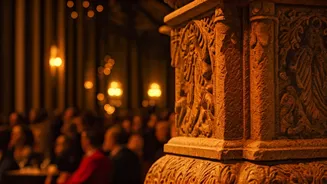
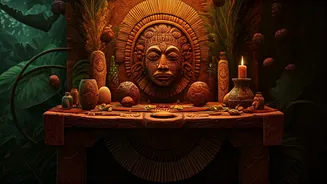
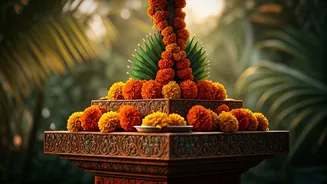
a celebration of the earth and ancestral deities. The name 'Kharchi' translates to 'cleansing of sins,' and the festival is a fascinating blend of animist traditions and mainstream Hinduism. The central event involves worshipping 14 deities, represented only by their heads, who are ceremonially bathed in the Saidra river and brought back to the temple. For a traveler, this isn't a performance for tourists; it’s a living, breathing ritual. You’ll witness thousands of devotees offering sacrifices (traditionally goats and pigeons), priests chanting in a haze of incense, and a massive fair that springs up around the temple grounds, filled with food stalls, handcrafted goods, and cultural performances. It’s an immersive, sometimes intense, experience that offers a profound look into the spiritual fabric of this unique state.
A Kingdom of Hills and Palaces
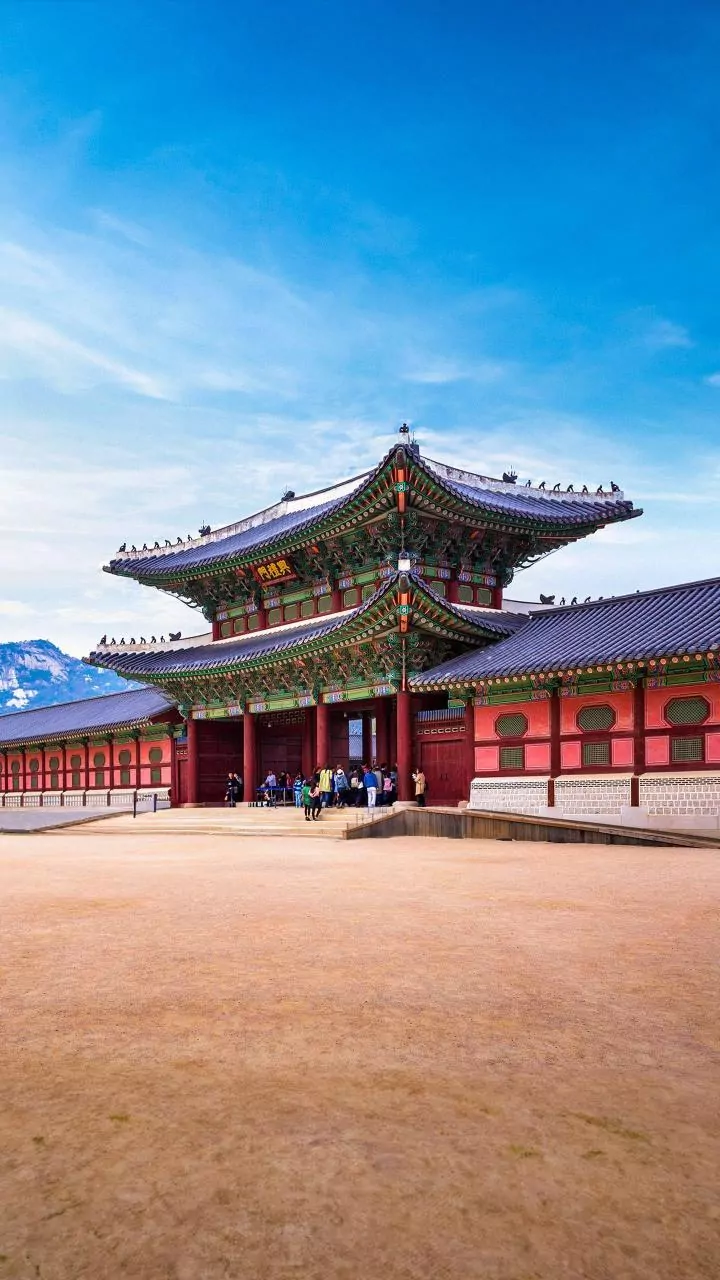
Tripura is more than just its festivals. One of India’s smallest states, it’s a land of rolling green hills, lush forests, and a history as a proud, independent kingdom for centuries. Tucked away between Bangladesh and the rest of northeastern India, it has a distinct identity shaped by the long-ruling Manikya dynasty. This history is visible in its architecture, most notably the Ujjayanta Palace in the heart of the capital city, Agartala. This gleaming white Indo-Saracenic structure, set amid Mughal-style gardens, was once the royal residence and now serves as the state museum. It’s the perfect starting point to understand the region’s past, showcasing the art, culture, and history of both the Tripuri people and other tribes that call the state home. The landscape itself, crisscrossed by rivers and dotted with lakes, feels worlds away from the desert landscapes of Rajasthan or the bustling megacities of Delhi and Mumbai.
Beyond the Festival: What to See
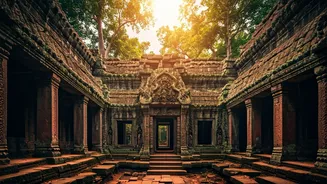
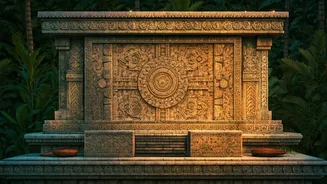
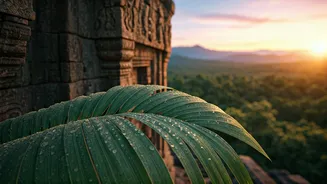
While Kharchi Puja might be your reason for visiting in July, Tripura offers plenty to explore before or after the festivities. A must-see is Neermahal, or the 'Water Palace,' located in the middle of Rudrasagar Lake. This stunning summer resort for the royals is one of only two water palaces in India (the other being Jal Mahal in Jaipur). You can take a boat out to explore its blend of Hindu and Islamic architectural styles. For a touch of the mystical, head to Unakoti, an ancient pilgrimage site where enormous rock-cut carvings of Hindu deities are etched into a hillside. The centerpiece is a 30-foot-high head of Shiva. The site, partially reclaimed by the jungle, has an almost 'Indiana Jones' feel to it. And for nature lovers, the Sepahijala Wildlife Sanctuary offers a chance to see clouded leopards and the rare Phayre's langur, the state animal of Tripura, in a semi-natural habitat.
Planning Your Trip to Tripura
For American travelers, getting to Tripura is an adventure in itself. The easiest route is to fly from a major Indian hub like Kolkata or Delhi to Agartala's Maharaja Bir Bikram Airport (IXA). Once there, you can hire a car and driver for multi-day excursions, which is the most convenient way to navigate the state's roads. Accommodations in Agartala range from comfortable business hotels to more modest guesthouses. English is spoken in tourist areas and hotels, but learning a few basic phrases in Bengali or Hindi is always appreciated. The weather in July is monsoon season, meaning lush green landscapes but also frequent, heavy rainfall. Pack accordingly with waterproof gear and be prepared for potential travel delays. The rain, however, adds to the atmosphere, making the hills and forests incredibly vibrant and washing the ancient stones of Unakoti clean, making the carvings stand out against the dark rock.