



The Old Guard of Comfort
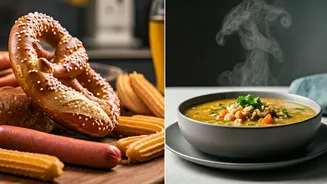
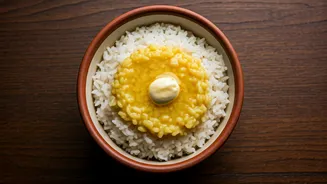
Think of the Mount Rushmore of American comfort food. You’re likely picturing a bubbling casserole of mac and cheese, a deep bowl of creamy mashed potatoes swimming in gravy, a crispy-skinned piece of fried chicken, or a dense slice of meatloaf. These
are the dishes of nostalgia, the food equivalent of a weighted blanket. They are built on a foundation of butter, cream, flour, and fat—a culinary blueprint designed to soothe, sedate, and transport us back to a simpler time, whether real or imagined. For decades, this was the undisputed definition. Heavy food was a reward, a Sunday dinner spectacle, a cure for a bad day. It was food that felt like a hug from the inside, prioritizing emotional satisfaction far above nutritional science. The goal wasn't to feel energized; it was to feel grounded, safe, and, frankly, full. This style of cooking has deep roots in American culinary history, reflecting periods of agricultural abundance and a need for calorie-dense meals to fuel physical labor. But as our lifestyles changed, our definition of comfort was bound to follow.
What 'Smarter' Really Means
The term “smarter” can be misleading. This isn’t a simple swap of steak for kale or a joyless campaign against flavor. Instead, “smarter comfort” represents a broadening of the definition. It’s food that comforts the spirit without punishing the body. The 'smart' part refers to a more thoughtful approach across several fronts. First, there’s technique. Instead of deep-frying, we see more roasting and air-frying, which develop deep, caramelized flavors without the heaviness of excess oil. Second, there are ingredients. There’s a focus on whole foods, vibrant vegetables, and complex carbohydrates that provide satisfaction without the subsequent energy crash. And third, there’s a global perspective. The American palate has become incredibly adventurous, and we now find comfort in dishes from around the world that have always been masters of this balance.
The Rise of Global Comfort
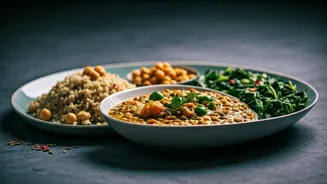
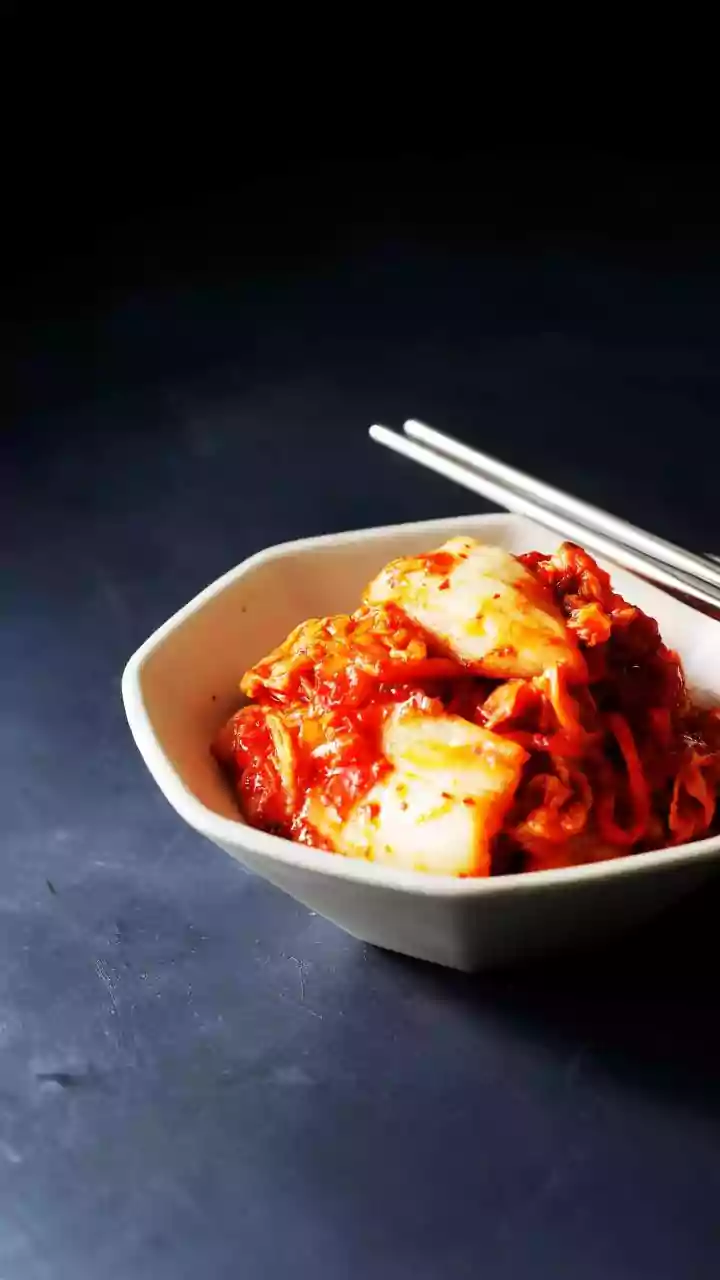
Perhaps the biggest driver of this shift is our embrace of global cuisines. A steaming, fragrant bowl of Vietnamese pho offers deep, savory comfort through its complex, long-simmered broth, not heavy fats. A rich and spicy bowl of Indian dal, made from lentils and aromatic spices, is profoundly satisfying and nourishing. Japanese ramen, with its umami-rich soup, chewy noodles, and array of toppings, delivers a full sensory experience that feels both indulgent and restorative. These dishes aren’t “diet” food; they are deeply traditional, time-honored comfort foods from other cultures. Their growing popularity in the U.S. has shown us that cream and butter aren't the only paths to culinary bliss. We're learning that comfort can also come from spice, acidity, umami, and textural variety—elements that awaken the palate rather than weigh it down.
Wellness Without the Sacrifice
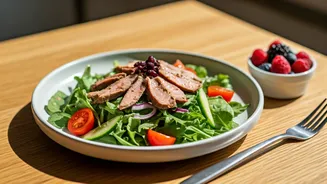
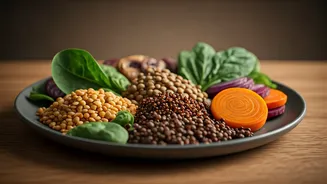
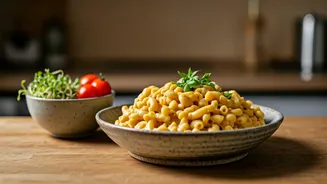
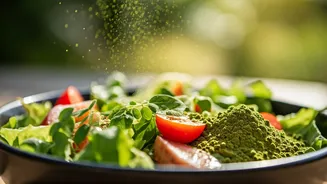
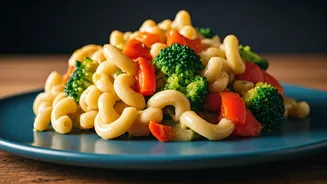
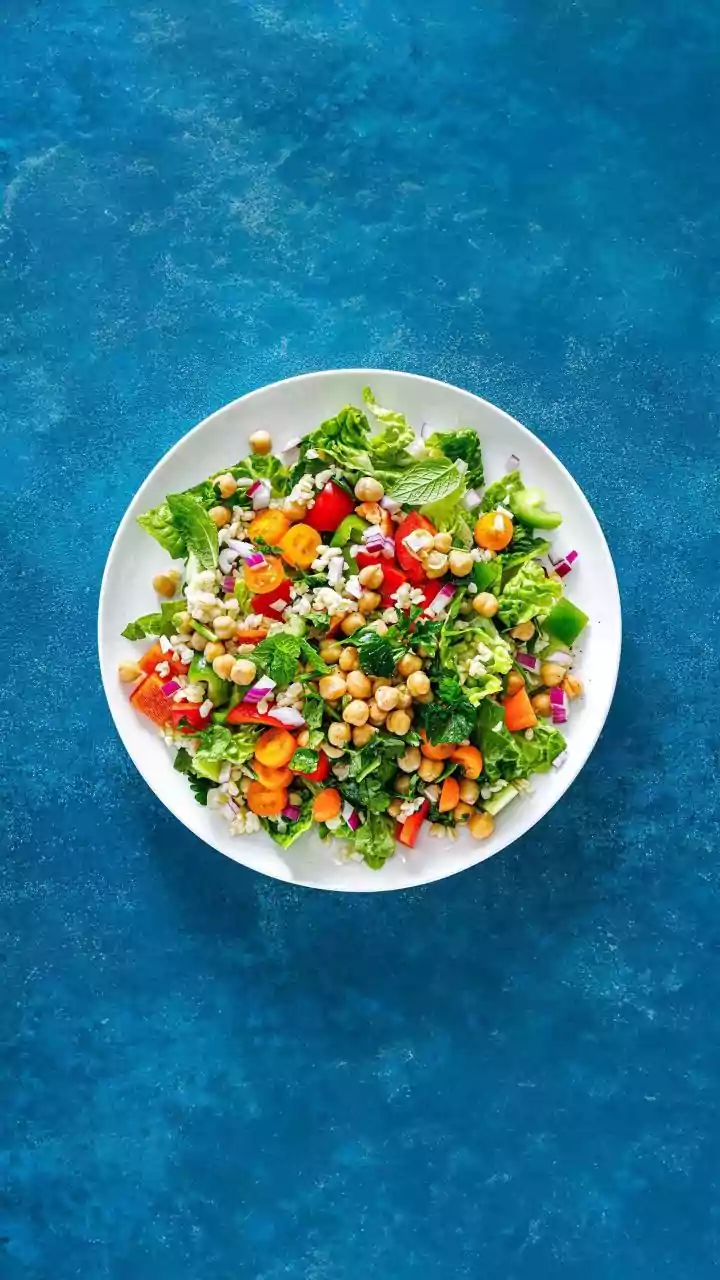
The modern wellness movement has also played a crucial role. But unlike the restrictive diets of the past, today’s wellness culture is increasingly about addition, not subtraction. It’s about adding more plants, more nutrients, and more variety. This mindset has given us a new generation of comfort classics. Consider the grain bowl: a base of quinoa or farro topped with roasted vegetables, a flavorful protein, and a vibrant tahini or vinaigrette dressing. It’s hearty, customizable, and hits all the right notes of savory, sweet, and tangy. Or look at the evolution of pasta, where traditional dishes are re-imagined with high-quality olive oil, heaps of garlic, chili flakes, and seasonal vegetables instead of heavy cream sauces. It’s a shift from comfort as a guilty pleasure to comfort as a form of self-care—something that makes you feel good both during and long after you’ve finished eating.