







The Soul of a Dish
To understand the drama, you first have to understand the dish. Biryani is not just rice and meat. It’s an edible epic, a layered symphony of long-grain basmati, fragrant spices, and tender, slow-cooked protein. The magic often lies in the “dum” cooking
method, where the pot is sealed with dough and cooked over a low flame. This process traps the steam, forcing the aromas of saffron, cardamom, and mint to infuse every single grain. It’s a technique that demands patience and precision. Hailing from the royal kitchens of Mughal emperors, biryani has become a cultural touchstone across South Asia and its diaspora. Families have guarded recipes for generations, and fierce, if friendly, debates rage over which regional variation—Hyderabadi, Lucknowi, Kolkata—reigns supreme. It’s the undisputed star of weddings, holidays, and Sunday family lunches. To mess with biryani, then, is to mess with memory itself.
Enter the Ethical Imposter
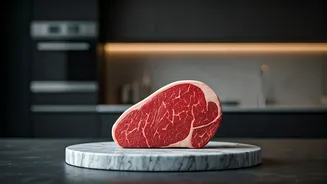
Into this hallowed space steps the mock meat revolution. Driven by a mix of ethical concerns for animal welfare, environmental sustainability, and personal health, plant-based proteins have gone from a niche product to a mainstream force. Brands like Impossible Foods and Beyond Meat have successfully infiltrated the American burger, but the movement is now making its way into global cuisines. The idea of a “mock meat” or plant-based biryani introduces a fundamental question: is biryani defined by its method and flavor profile, or by its core ingredient? For a growing number of eaters, including many South Asians, swapping out lamb or chicken for a plant-based alternative is a welcome evolution. It allows vegetarians, vegans, and the climate-conscious to participate in a beloved cultural ritual without compromising their principles. This isn't just about imitation; it's about inclusion.
The 'Dum' in the Drama
This is where the real drama unfolds. Creating a convincing plant-based biryani is not as simple as swapping protein. The “dum” process is a trial by fire—or rather, a trial by slow, moist heat. Traditional meats release fats and collagen during this long cook, contributing a specific richness and texture that is hard to replicate. Can soy chunks, jackfruit, or a formulated plant protein stand up to the process without turning to mush? This is the technical challenge chefs and home cooks are tackling. But the more potent drama is cultural. To purists, a biryani without meat is like a symphony without strings—fundamentally incomplete. It sparks debates online and at the dinner table. Is it still authentic? Does it disrespect tradition? Or is tradition something that must evolve to stay alive? The passion on both sides reveals just how deeply food is tied to identity.
A New Tradition in the Making
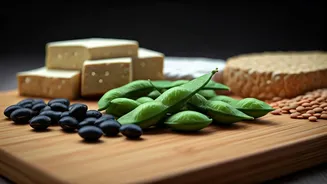
Despite the purist pushback, the mock meat biryani is finding its footing. Innovative chefs in the U.S. and abroad are proving it can be done, and done well. They are treating plant-based proteins with the same care and respect as their animal-based counterparts, marinating them for hours in spiced yogurt and perfecting cooking times to achieve the right texture. Some use young jackfruit for its fibrous, shreddable quality, while others turn to specialized seitan or soy products designed for high-heat cooking. The result is often surprisingly delicious. It may not be an exact replica, but it captures the spirit of the original: aromatic, complex, and deeply satisfying. This new version isn’t an either/or proposition. It’s an “and.” It doesn’t seek to replace the classic but to stand alongside it, expanding the table so more people can pull up a chair.