




A Return to the Roots
For generations, eating in India was inherently local, seasonal, and low-waste. Before refrigeration and global supply chains, there was no other choice. Grandmothers pickled the summer mango surplus to last through the monsoon, used vegetable peels to make
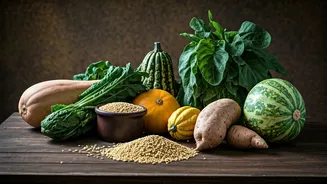
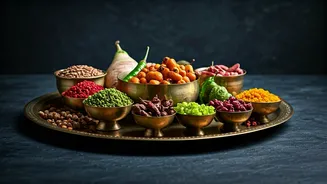
flavorful chutneys, and planned meals around what the local farmer brought to the market. This wasn't a 'trend'; it was a way of life dictated by climate, geography, and an ethos of respecting resources. In a country with dozens of distinct agro-climatic zones, 'local' meant everything from Himalayan buckwheat to coastal coconuts. The modern movement isn't inventing a new philosophy but rather rediscovering an old one that was nearly lost in the rush toward urbanization and industrialized agriculture. It's a conscious return to the hyper-regionality that has always defined Indian cuisine at its best.
A Reaction to Modern Problems
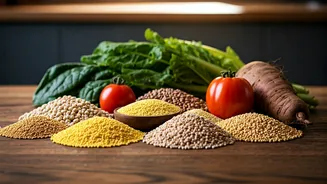
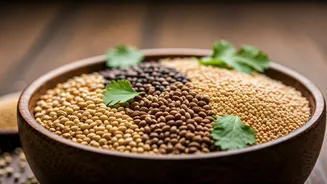
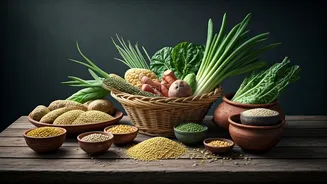
The push for a local, seasonal food system is also a direct response to the unintended consequences of the 20th century. The Green Revolution of the 1960s, while credited with averting famine, promoted a monoculture of high-yield wheat and rice. This eroded crop diversity, depleted soil, and increased reliance on chemical fertilizers and pesticides. In cities, the rise of supermarkets stocked with ingredients from thousands of miles away disconnected consumers from their food sources. The result was a food system that was often less nutritious, less flavorful, and environmentally damaging. The new movement is a quiet rebellion against this uniformity. It champions indigenous grains like millet and amaranth, which are more drought-resistant and nutrient-dense than wheat, and it questions why a restaurant in Delhi should serve Norwegian salmon when delicious local river fish are available.
The New Guard of Indian Cuisine
This culinary renaissance is being spearheaded by a new generation of Indian chefs who are rejecting the pressure to cook with imported 'gourmet' ingredients like truffle oil and Swiss chard. Instead, they are celebrating the immense biodiversity of their own backyards. Chefs at acclaimed restaurants from Mumbai to Goa are building their menus around foraged ingredients, forgotten vegetables, and heritage recipes. The concept of 'zero-waste' is at the core of this. They are transforming potato peels into crispy snacks, using cauliflower leaves in stir-fries, and creating complex stocks from fish bones and vegetable scraps. This isn't just about environmentalism; it's a creative challenge that is pushing Indian cuisine in exciting new directions. By putting a humble, locally sourced ingredient at the center of a fine-dining plate, these chefs are making a powerful statement about what true luxury is.
Beyond the Restaurant
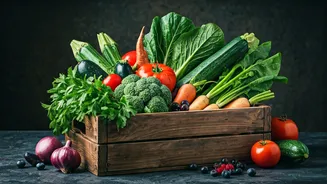
Crucially, this philosophy is not confined to high-end restaurants. It's trickling down and bubbling up. Across India, farmers' markets are gaining popularity, connecting urbanites directly with growers. Community-supported agriculture (CSA) models are emerging, providing households with weekly boxes of seasonal, organic produce. Social media is filled with home cooks and influencers proudly showcasing meals made with regional ingredients, reviving old preservation techniques, and sharing tips for reducing kitchen waste. This grassroots energy suggests the movement has staying power. It's a reclamation of food sovereignty at the individual and community level, empowering people to make choices that are better for their health, the environment, and the preservation of their own cultural heritage.