




The Gut-Health Gold Rush
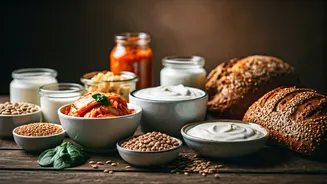
Walk down the aisle of any high-end grocery store and you’ll see the buzzwords: “probiotic,” “gut-friendly,” “living food.” This obsession with gut health, fueled by a growing body of research linking our microbiome to everything from immunity to mood,
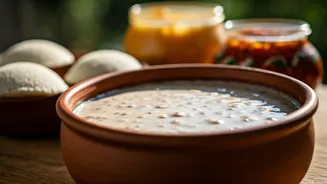
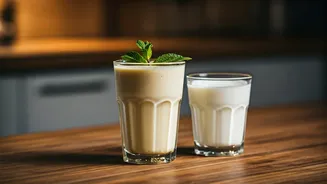
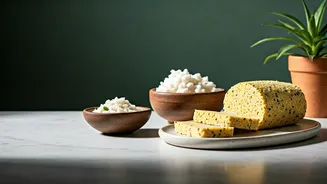
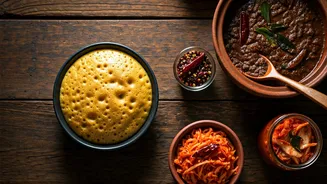
has created a billion-dollar market for fermented products. For years, the stars have been kombucha, kefir, and sauerkraut. But as consumers search for the next big thing, entrepreneurs are looking to one of the world's oldest and most diverse culinary traditions: India. Suddenly, foods that have been staples in Indian households for centuries are appearing with a new, wellness-focused identity. The fluffy, savory cakes known as *idli* and *dhokla* aren't just breakfast anymore; they're “naturally fermented, protein-rich superfoods.” The spiced yogurt drink *lassi* is being marketed as a “probiotic smoothie.” This rebranding reframes everyday Indian food through a distinctly American lens, emphasizing scientific benefits over cultural heritage.
Meet Kanji, The New Kombucha
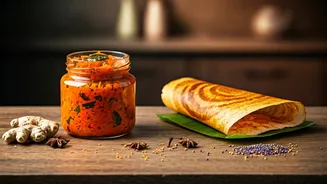
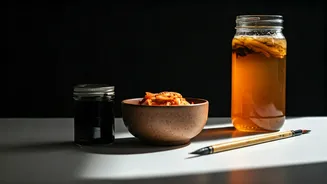
While many Americans have at least heard of *dosa* (a crispy crepe made from fermented rice and lentil batter), the new wave of products goes much deeper. The poster child for this trend is *kanji*, a traditional North Indian fermented drink. Made from black carrots or beets, water, salt, and mustard seeds, it’s a tangy, pungent, and deeply purple beverage typically made at home during the winter months. Now, artisanal brands are bottling it, positioning it as an earthy, savory alternative to sweet kombuchas. Similarly, the concept of fermented rice water, known as *kanji* in some parts of South India (no relation to the carrot drink) or *pazhamkanji*, is gaining traction. Historically a humble farmer's breakfast that used leftover rice to create a nourishing, cooling meal, it’s now being discussed in wellness circles as a potent gut-health elixir. These foods aren't new; they've been providing sustenance and flavor for generations. What’s new is the packaging and the price point.
Ancient Practice, Modern Science
The health claims, for the most part, aren't wrong. Fermentation is a metabolic process where microorganisms like bacteria and yeast break down carbohydrates. This not only preserves food but also creates beneficial compounds, including probiotics (live beneficial bacteria), prebiotics (food for those bacteria), and B vitamins. The lactic acid fermentation common in Indian foods like *dosa* batter and *dhokla* can also make nutrients more bioavailable and easier to digest. So yes, a diet rich in these foods can genuinely contribute to a healthier gut microbiome. The irony is that in their original context, these benefits were an intrinsic, unspoken part of the meal. They were simply delicious, nourishing foods that people ate regularly. The wellness rebrand isolates one specific function—gut health—and makes it the primary selling point, sometimes overlooking the holistic role the food plays in a balanced, traditional diet.
Appreciation or Appropriation?
Whenever a traditional food gets a wellness makeover, it raises complex questions. Is this a form of culinary appreciation that introduces new audiences to Indian flavors? Or is it appropriation—stripping a food of its cultural significance to make it more marketable to a Western audience? The answer is often somewhere in the middle. Many of the new brands are founded by Indian-Americans who are passionate about sharing their heritage. They see it as a way to celebrate their culture and claim a rightful place in the lucrative wellness industry. However, the danger lies in what's often called “Columbusing”—the act of “discovering” something that has existed for centuries. When *kanji* is presented as a brand-new health tonic without acknowledging its roots in Indian homes, a piece of the story is erased. The key is context and credit. The rebranding becomes more appreciation than appropriation when brands actively educate consumers about the food's history, its traditional preparation, and its cultural importance, rather than just selling it as the latest decontextualized superfood.