





The Race Against the Rain
For millions living in the bustling cities and vast plains of India, the period from April to June is a test of endurance. Temperatures regularly climb past 100 degrees Fahrenheit, creating a sweltering, oppressive heat dome that makes daily life a struggle.
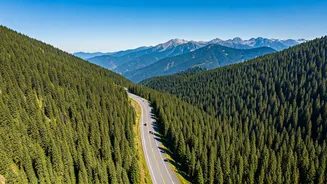
This isn't just uncomfortable; it's a seasonal reality that shapes work, school, and leisure. But just as the heat becomes unbearable, a clock starts ticking. The southwest monsoon, a weather system that will bring months of torrential rain and relief, is gathering strength over the Indian Ocean. This creates a precious, short window—after the peak heat but before the downpours make mountain travel treacherous—that has become the most coveted vacation period of the year. Families pack their bags, book their trains and cars, and join a mass exodus, all heading for higher ground.
Echoes of a Colonial Tradition
This annual pilgrimage isn't a new phenomenon. Its roots lie in the history of British colonial rule in India. British officials and their families found the subcontinent's summer heat intolerable and sought refuge in the cooler, higher altitudes of the Himalayas. They established 'hill stations'—entire towns like Shimla (the former summer capital of British India), Darjeeling, and Ooty—designed as mountain sanctuaries. These towns were built with European-style architecture, complete with churches, grand hotels, and manicured gardens, creating a surreal slice of England in the Indian mountains. After India gained independence in 1947, these hill stations were reclaimed and embraced by Indians themselves. What began as a colonial escape has evolved into a cherished national tradition, a way for modern Indian families to reconnect with nature and each other.
Today's Mountain Hotspots
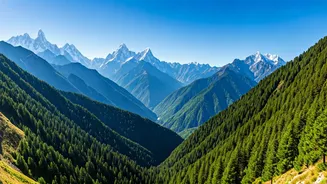
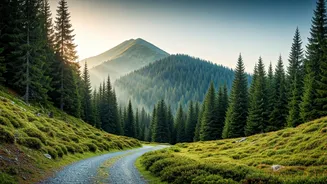
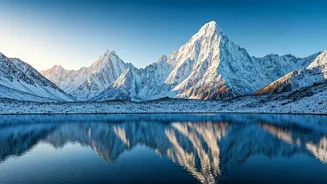
While the tradition is historic, the destinations are more popular than ever. In the north, states like Himachal Pradesh and Uttarakhand become magnets for tourists. Towns such as Manali, with its adventure sports and stunning views of the Pir Panjal range, and Mussoorie, known as the 'Queen of the Hills,' are overrun with families. The main draw is simple: a dramatic drop in temperature. While Delhi or Jaipur bakes, these mountain towns offer pleasant days perfect for leisurely strolls along 'Mall Roads'—the main commercial and social arteries of most hill stations—and cool nights that require a sweater. Activities are often low-key and family-centric: boating on serene lakes in Nainital, riding the historic 'toy train' up to Darjeeling, or simply sitting on a balcony, sipping chai, and watching the clouds roll through the valleys below.
A Generational and Economic Ritual
This seasonal migration is perfectly timed with another critical event: school holidays. Summer vacation for most Indian schools falls squarely in this pre-monsoon window, turning the trip from a simple getaway into a foundational family ritual. It’s a chance for parents to spend quality time with their children away from the grind of city life. For many, it's a multi-generational affair, with grandparents, parents, and kids all traveling together. This annual rush is also the economic lifeblood for these mountain communities. Hotels, restaurants, taxi drivers, and local artisans depend almost entirely on the revenue generated during these few intense months. The roads leading up to these towns become clogged with traffic, and hotels are booked months in advance, a testament to the enduring power of this pre-monsoon mountain rush.