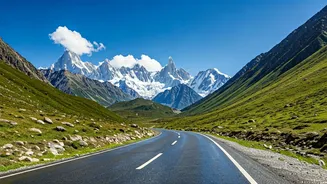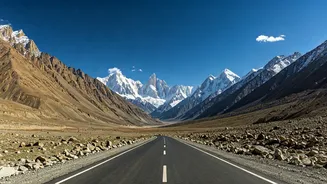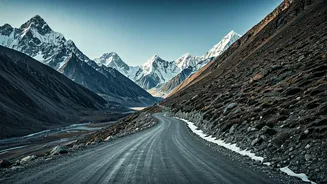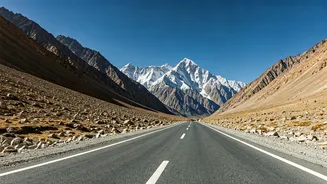





An Adventure Route, Not a Commute
Spanning roughly 265 miles, the Manali-Leh Highway isn't just a way to get from Point A to Point B; it's a destination in itself. This strategic military road, built and maintained by India's Border Roads Organisation (BRO), connects the Kullu Valley
in Himachal Pradesh to the high-altitude desert of Ladakh. For most of the year, it's buried under immense snowfall. Its annual opening, typically in late May or early June, is a major event, kicking off a short, four-month window for travelers to tackle one of the planet's highest and most challenging drives. It’s a rite of passage for motorcyclists, 4x4 enthusiasts, and anyone seeking a raw, unfiltered adventure far from sanitized tourist trails.
The Journey Above the Clouds
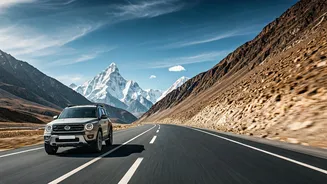
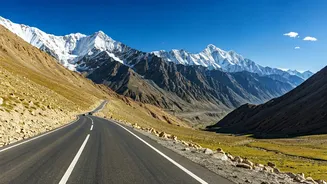
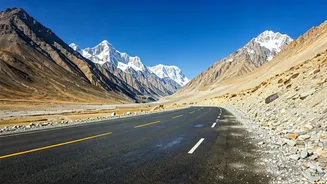
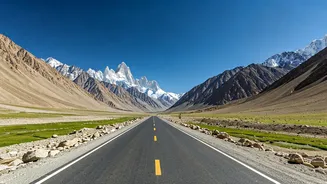
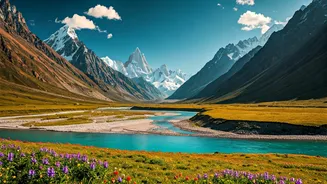
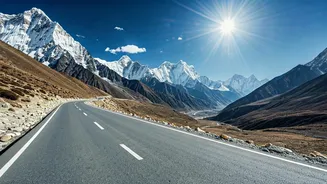
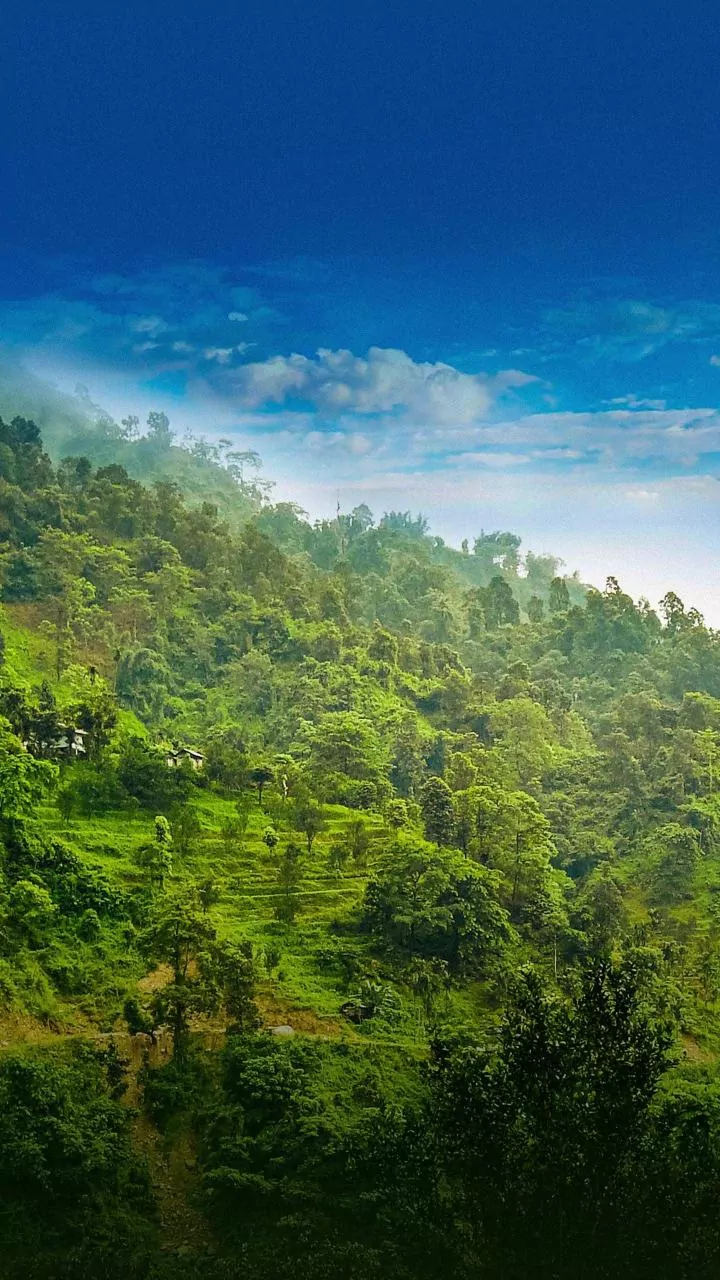
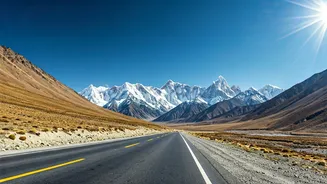
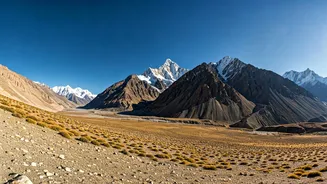
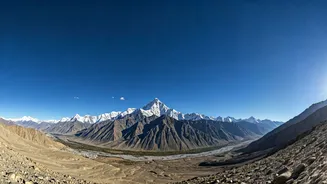
The drive is a slow, methodical ascent into another world. Starting from the lush green hills of Manali, the road quickly begins its climb, crossing a series of staggering mountain passes. You’ll conquer Rohtang Pass (13,058 ft), Baralacha La (16,043 ft), and the dizzying Tanglang La (17,480 ft), one of the highest motorable passes in the world. The scenery shifts dramatically with every mile. Verdant valleys give way to barren, wind-swept plains and stark canyons that feel more like the moon than Earth. You'll drive alongside turquoise rivers, pass remote Buddhist monasteries clinging to cliffsides, and navigate hairpin bends known as the Gata Loops—a series of 21 switchbacks that ascend a sheer mountain face. This isn't passive sightseeing; the landscape is an active participant in your journey.
The Challenge: Altitude, Roads, and Respect
This trip is not for the faint of heart or the unprepared. The primary challenge is altitude. Acute Mountain Sickness (AMS) is a serious risk, with symptoms ranging from headaches to life-threatening conditions. The solution is acclimatization. Most travelers complete the journey over two days, with an overnight stop in a place like Keylong or Sarchu to allow their bodies to adjust. The road itself is a mix of paved sections and gravelly, broken stretches where landslides are a constant threat. Weather is famously fickle; a sunny morning can turn into a snowstorm by afternoon, even in July. This journey demands a reliable vehicle (a 4x4 or a sturdy motorcycle like the Royal Enfield Himalayan is standard), a flexible itinerary, and a deep respect for the power of the mountains.
How to Plan Your Expedition
First, timing is everything. The highway is generally open from June to mid-October, with the best conditions typically found from mid-June to September. Traveling too early means encountering melting snow and icy patches; too late, and you risk being caught by the first heavy snows of winter. You can hire a car and driver in Manali or, for the more adventurous, rent a motorcycle. Be sure to pack layers for all weather conditions, along with essential medications, particularly for altitude sickness (consult a doctor before you go). While there are basic guesthouses and tented camps along the way for overnight stops, don't expect luxury. The beauty of this trip lies in its rugged simplicity. It’s about the journey, the camaraderie with fellow travelers, and the feeling of reaching Leh as an accomplishment, not just an arrival.