
The Great Rebrand: From 'Off-Season' to Main Event
Remember the old travel calculus? You’d scour weather charts to avoid a destination’s rainy season at all costs, paying a premium for blue skies and sunshine. The monsoon months in places like India, Thailand, and Southeast Asia were strictly for budget
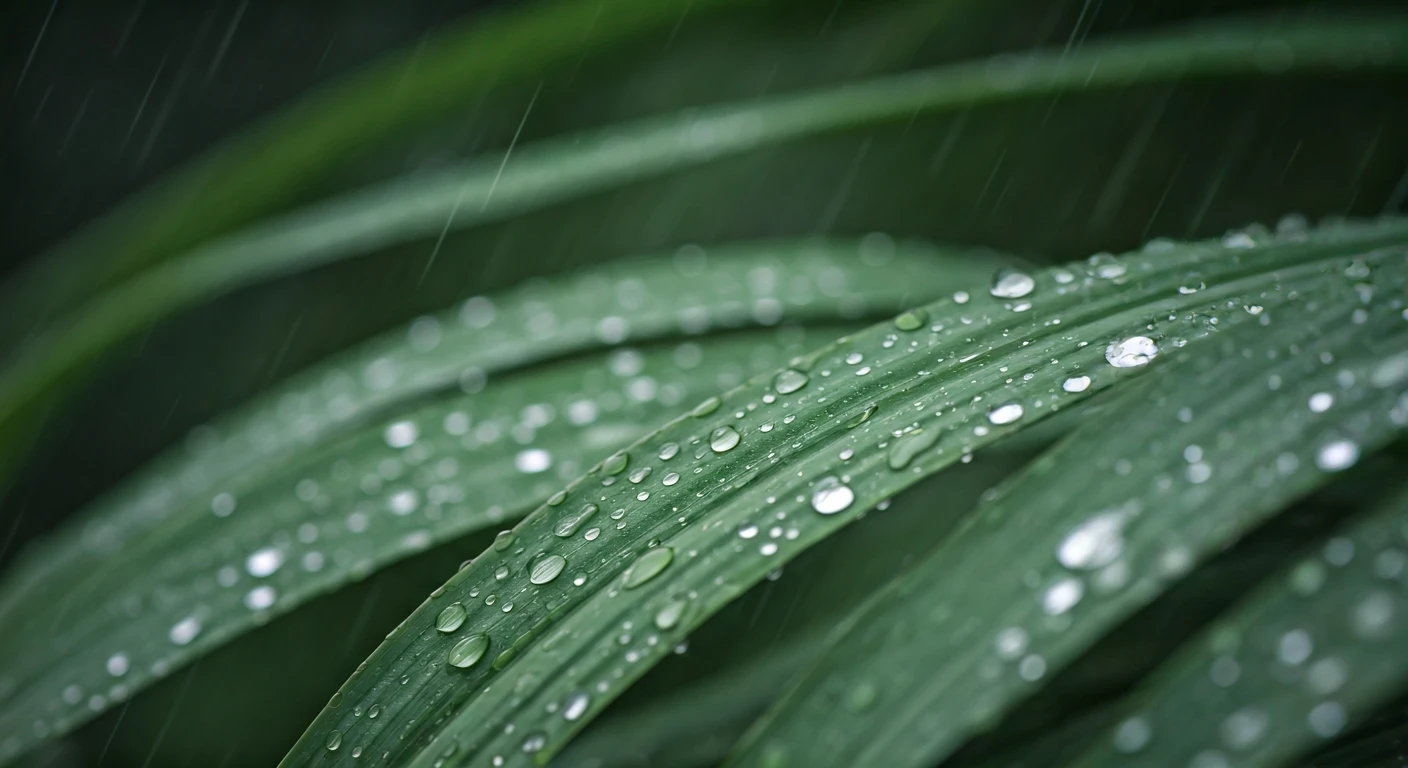
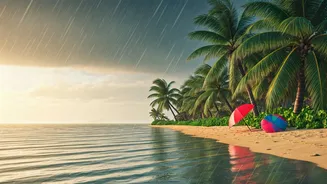
backpackers and the hopelessly misinformed. That logic is officially being washed away. A confluence of wellness trends, a search for authenticity, and savvy marketing has transformed the monsoon from the ‘off-season’ into the ‘secret season.’ Travel companies and tourism boards are no longer apologizing for the rain; they’re leaning into it. They’re selling not just a trip, but an atmosphere: the drama of a thunderclap echoing over a valley, the fresh, earthy smell after a downpour (petrichor, for the aficionados), and the deep, restorative feeling of watching the world get a much-needed drink. It's a move away from the frantic, sun-scorched tourism model and toward something slower, more contemplative, and infinitely more atmospheric.
Destination: Drenched in Ambiance
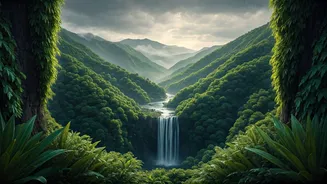
So where is this FOMO-inducing rain falling? Look to Kerala, in southern India, which has masterfully positioned its monsoon as the prime time for Ayurvedic healing. The theory is that the cool, moist, dust-free air helps the body become more receptive to treatments. It’s a brilliant fusion of wellness and weather. In Northern Thailand, the rice paddies around Chiang Mai turn an almost impossibly vibrant green during the rainy season, a sight you simply can’t get in the dry heat of March. The crowds thin out, the waterfalls roar back to life, and the experience feels more intimate. Even Rajasthan, India's desert state, becomes a different world. Palaces and forts that bake under the summer sun take on a moody, romantic quality against storm-darkened skies. This isn’t about getting a tan; it’s about collecting an experience—a story to tell that doesn't involve a sunburn.
Designing for the Downpour
The trend extends beyond tourism and into the very fabric of our cities. For decades, urban planning has treated heavy rain as an engineering problem to be solved with drains, gutters, and concrete channels—hide it and get rid of it as fast as possible. But a new philosophy is emerging, particularly in monsoon-prone regions. Forward-thinking architects and urban designers are asking: What if we celebrated the rain? Singapore is a leader here. The Marina Barrage is not just a dam for flood control; it’s a public park and recreation space. At Jewel Changi Airport, the world’s tallest indoor waterfall, the Rain Vortex, makes a spectacle of water. These projects treat rainfall not as a nuisance to be hidden, but as a dynamic element of the urban landscape. It's a form of biophilic design that embraces natural cycles, creating spaces that are more resilient, sustainable, and, frankly, more beautiful, whether it’s pouring rain or perfectly sunny.
The Cultural Romance of Rain
Ultimately, this monsoon FOMO is fueled by culture. Anyone who has watched a Bollywood film knows that a sudden downpour is the ultimate narrative device, a catalyst for romance, drama, and cathartic dance numbers. That romantic ideal has gone global. On social media, the aesthetic of #RainyDayVibes—a cozy sweater, a cup of tea, a good book by a window streaked with rain—has become a powerful antidote to our always-on, productivity-obsessed culture. The monsoon provides a legitimate, weather-based excuse to slow down, turn inward, and find comfort. It taps into our collective desire for ‘hygge,’ the Danish concept of cozy contentment. It’s the permission we need to cancel our plans and just *be*. The FOMO isn't just about missing a cool trip; it’s about missing out on a feeling, a mood, and a deeper connection to the natural world.