


An Ancient Food for the Future
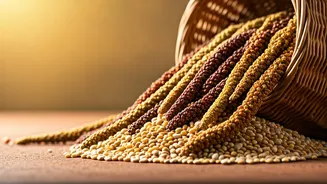
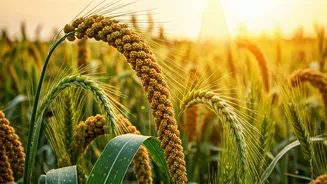
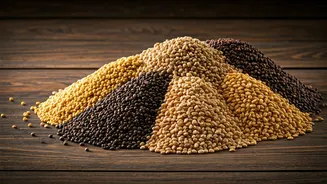
Before rice and wheat dominated global agriculture, there was millet. This small-seeded grass isn't a single grain but a diverse group of crops that have been a staple for civilizations in Asia and Africa for over 7,000 years. It was a foundational food,
sustaining vast populations from ancient China to the Roman Empire. Unlike the high-maintenance celebrity crops of the modern world, millets were the reliable workhorses of the ancient diet—hardy, dependable, and nutritious. So why did they fall out of favor? In the 20th century, large-scale agricultural policies, particularly the Green Revolution, prioritized high-yield, water-intensive crops like wheat and rice. These grains could be mass-produced and processed, pushing millets to the margins, often dismissed as 'food for the poor' or, in the West, simply as birdseed.
More Than Just Birdseed
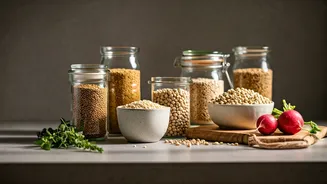
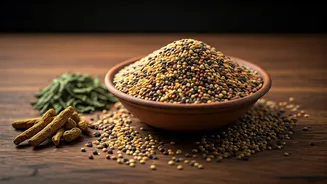
Let’s clear this up right away: the millet in your bird feeder is not the same as the culinary varieties showing up in grocery aisles and on restaurant menus. While they belong to the same family, the millets cultivated for human consumption, like pearl, foxtail, and proso millet, are delicious and versatile. With a mild, slightly nutty flavor and a texture that can range from fluffy like quinoa to creamy like polenta depending on how you cook it, millet is a fantastic blank canvas. In the U.S., our primary association with millet has been through pet food, which has done it a massive disservice. Think of it like this: we don't judge corn based on what we feed livestock; we enjoy it as sweet corn on the cob, grits, and polenta. It’s time we gave millet the same culinary respect. As more Americans seek out gluten-free and whole-grain options, millet is finally getting the chef-driven and home-cook-approved attention it deserves.
A Nutritional Powerhouse
The renewed interest in millets isn’t just about culinary novelty. From a health perspective, these tiny grains pack a serious punch. They are naturally gluten-free, making them an excellent choice for individuals with celiac disease or gluten sensitivity. But their benefits go far beyond that. Millets are a great source of complex carbohydrates and fiber, which aid in digestion and help maintain stable blood sugar levels. They're also rich in protein and packed with essential minerals that are often lacking in the modern American diet, including magnesium (crucial for heart and nerve function), iron, and phosphorus. Compared to polished white rice or refined wheat, millets offer a significantly higher nutritional return, providing sustained energy without the spike and crash associated with simpler carbs.
The Climate-Smart Super Crop
Here’s where the “new power” really comes into play. In an era of climate change, water scarcity, and soil degradation, millets are an agricultural game-changer. These crops are what experts call 'climate-smart.' They are incredibly hardy, drought-resistant, and can thrive in poor soil conditions where other crops would fail. They require significantly less water than rice or wheat, a critical advantage on a warming planet. Furthermore, millets have a short growing season and are naturally pest-resistant, reducing the need for chemical fertilizers and pesticides. This makes them a more sustainable and environmentally friendly choice for farmers and consumers alike. Recognizing this potential, the United Nations declared 2023 the International Year of Millets, aiming to raise awareness of their role in providing nutritious food while promoting biodiversity and sustainable farming.
Bringing Millets to Your Table
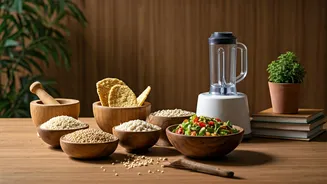
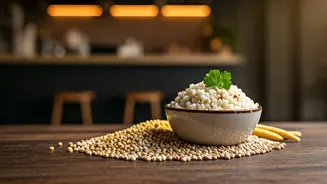
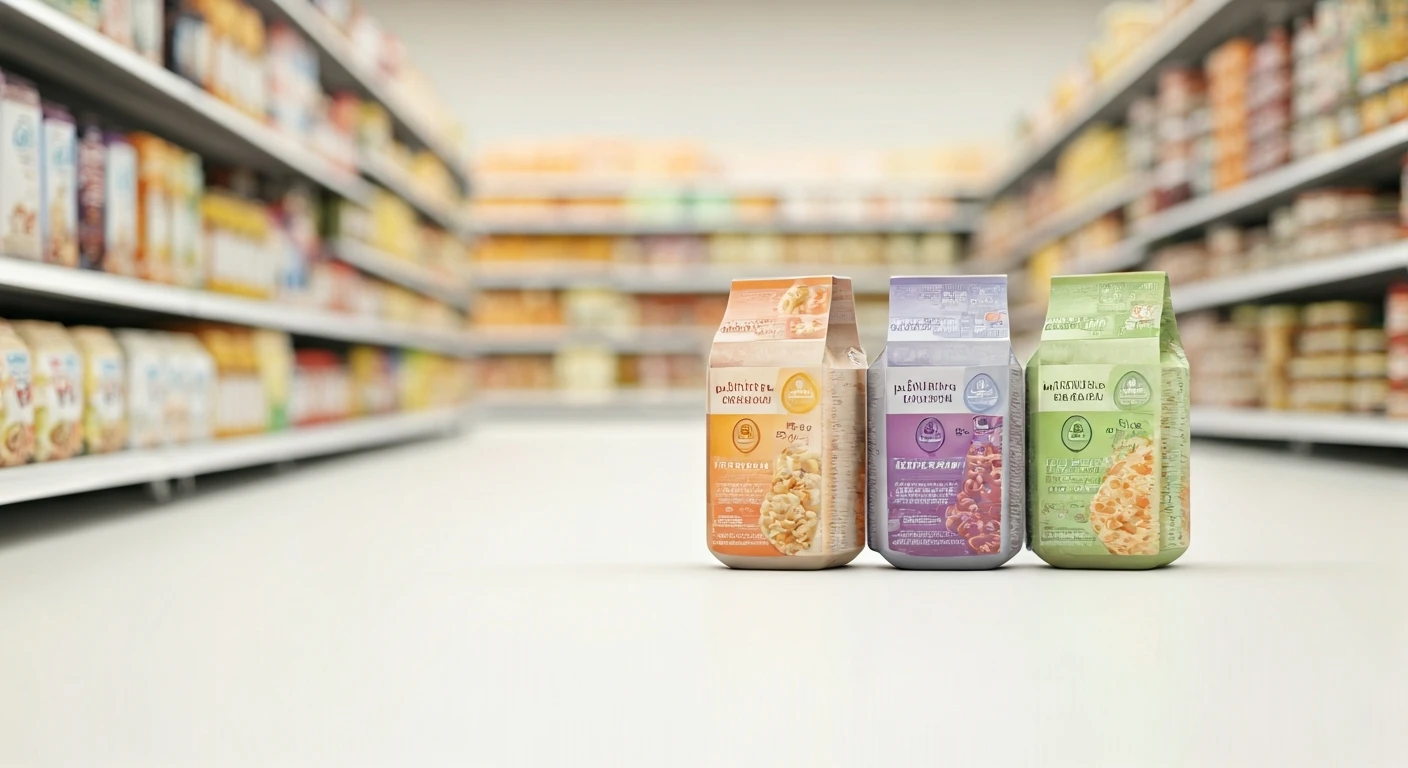
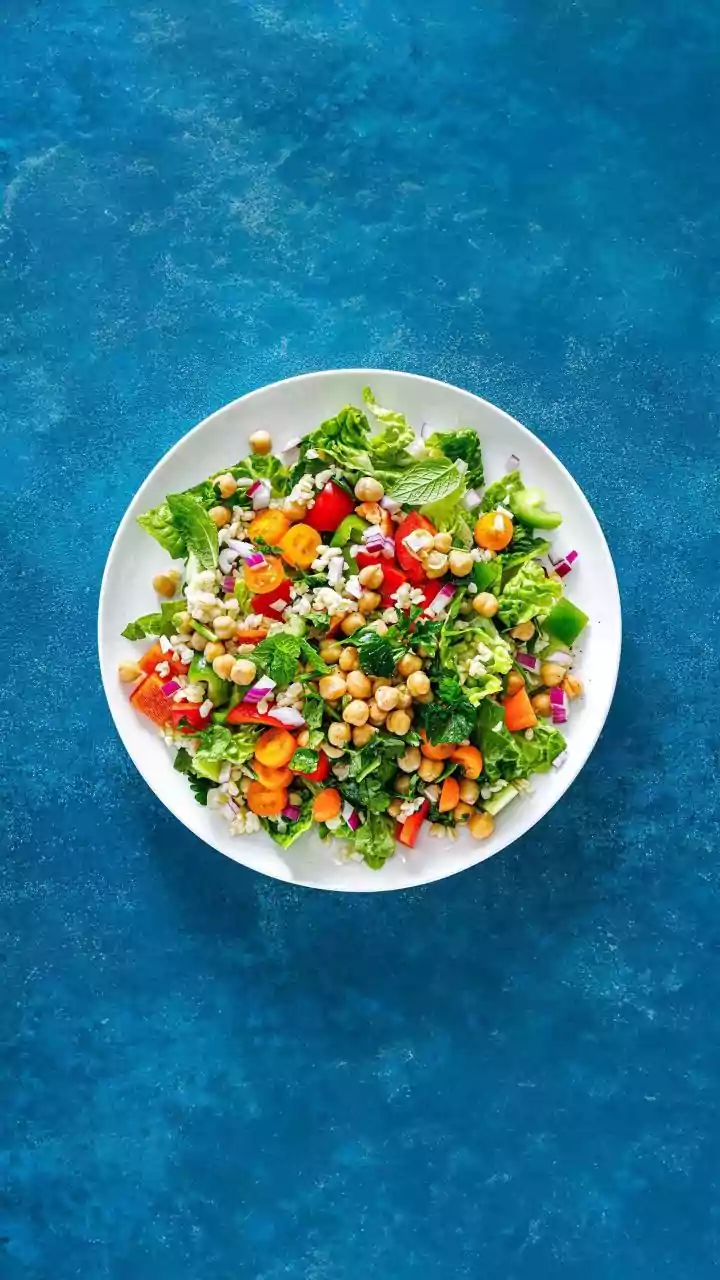
Ready to give them a try? Incorporating millets into your diet is surprisingly simple. You can find hulled millet in the grain aisle of most well-stocked grocery stores or online. Cooking it is as easy as cooking rice: a 1:2 ratio of millet to water or broth, simmered for about 20 minutes, will give you a light, fluffy grain. Use it as a base for a grain bowl topped with roasted vegetables and your favorite protein. Cook it with more liquid for a creamy breakfast porridge, similar to oatmeal or grits. You can also pop it dry in a pan like popcorn for a crunchy snack or salad topper. Millet flour is also becoming more available, offering a gluten-free option for baking. Its versatility is its strength—it’s a grain that doesn’t demand a whole new way of cooking, but rather enhances the meals you already love.