





An Ancient Festival's Digital Rebirth
Every year, as monsoon season arrives in Northeast India, a different kind of flood occurs online. On platforms like Instagram and Twitter, a wave of vibrant digital illustrations emerges, all celebrating the Ambubachi Mela. Artists, primarily from India but
drawing a global audience, are using their digital canvases to interpret the rich symbolism of a festival centered on fertility, divinity, and the earth itself. This modern, decentralized celebration runs parallel to the massive physical pilgrimage, creating a new, accessible way for people to connect with ancient traditions. The artwork becomes a visual entry point into a complex and profound cultural event, translating ancient folklore into the language of the internet.
The Goddess Who Menstruates
So, what is the Ambubachi Mela? Held annually at the Kamakhya Temple in Guwahati, Assam, it’s one of the most important gatherings in Tantric Hinduism. The temple is a Shakti Peetha, one of the holiest sites dedicated to the feminine divine. Unlike other temples, the central object of worship here is not a statue but a rock formation shaped like a yoni (vulva) that is constantly fed by a natural underground spring. During the Ambubachi Mela, it is believed that the goddess Kamakhya, an incarnation of Sati or Parvati, undergoes her annual menstruation. For three days, the temple doors are closed, and all worship ceases. It is a period of rest for the Mother Goddess, and by extension, for Mother Earth. Farmers traditionally halt tilling and other agricultural work during this time, honoring the earth's regenerative cycle.
From Taboo to Celebration
In a world where menstruation is often stigmatized or spoken of in whispers, the Ambubachi Mela stands in stark contrast. It is a festival that explicitly celebrates the life-giving power of the female body and its natural cycles. The event draws hundreds of thousands of pilgrims, including sadhus (holy men) and tantrics, from all over India and beyond. On the fourth day, the temple reopens, and devotees receive small pieces of red cloth, called 'rakta bastra,' believed to be moistened with the goddess's menstrual fluid. This prasad, or blessed offering, is considered highly auspicious and protective. The festival thus reframes menstruation not as impure but as a source of immense power and fertility, a perspective that the digital artists are now amplifying for a new generation.
Folklore on a Modern Canvas
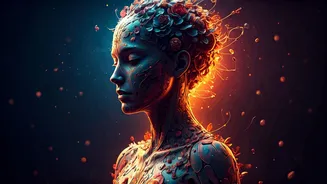
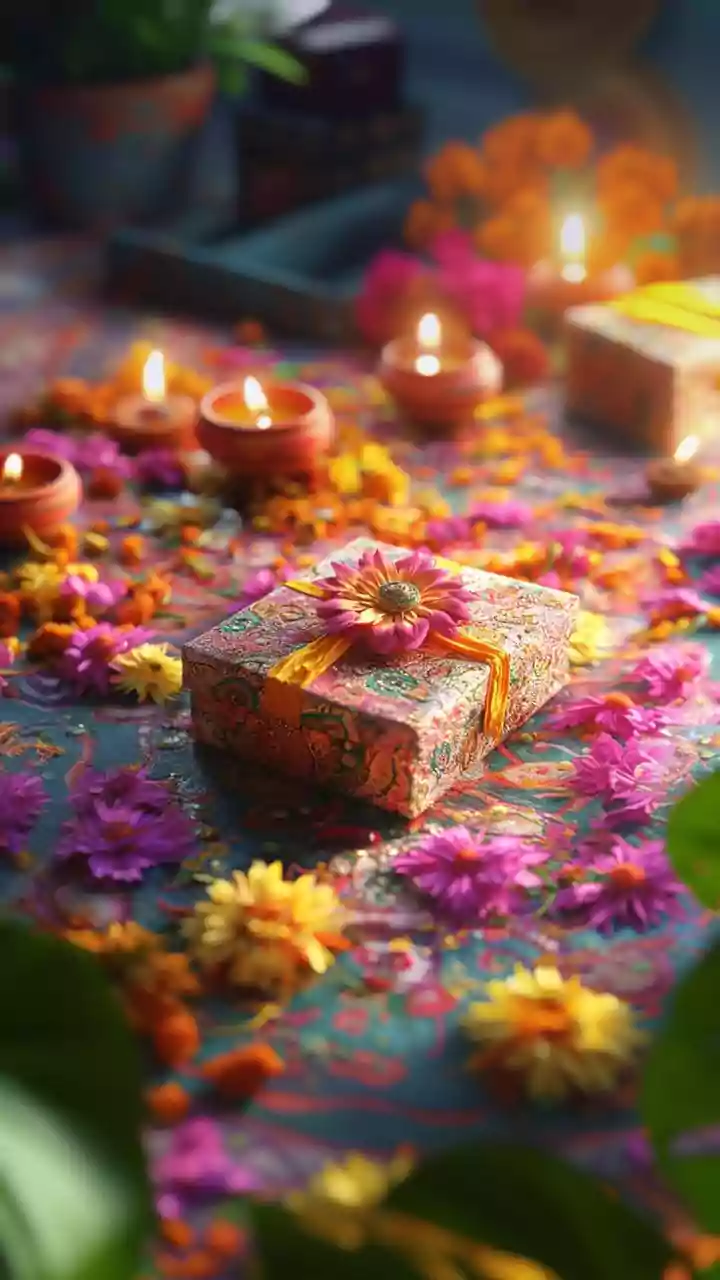
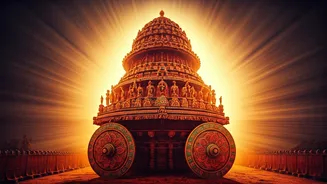
The digital illustrations celebrating the Mela are a feast of symbolism. Common motifs include the goddess herself, often depicted as a powerful, serene figure surrounded by red hibiscus flowers, which are sacred to her. The iconic red silk cloth, the temple's dome, and imagery of water and lotuses are frequent elements. Artists blend traditional Indian art styles with contemporary digital techniques, creating pieces that feel both timeless and fresh. Some illustrations focus on the Tantric ascetics who flock to the festival, while others offer abstract interpretations of divine feminine energy. By sharing their work with hashtags like #AmbubachiMela and #Kamakhya, these artists are creating a living, evolving visual archive of the festival's meaning, accessible to anyone with an internet connection.
A Global Temple, A Virtual Pilgrimage
While the physical pilgrimage to Assam remains a profound experience for devotees, the online celebration serves a different but equally important purpose. It democratizes the festival, allowing those who cannot travel to participate in its spirit. It also acts as a cultural bridge, introducing the festival's unique theology to a global audience that may have never encountered a celebration of menstruation. For young people in the Indian diaspora, it offers a way to connect with their heritage in a medium that is native to them. The art fosters conversation, educates the curious, and ensures that the stories and beliefs of the Ambubachi Mela continue to resonate far beyond the hills of Guwahati.