


Cottage Cheese: From Diet Plate to Protein Powerhouse
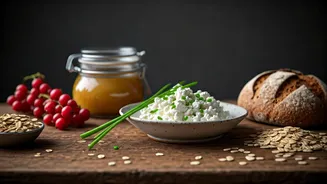
For decades, cottage cheese was the sad-sack star of the 1970s diet plate—a lumpy, bland scoop served alongside a peach half or a slice of melon. It was seen as functional, but never desirable. Fast-forward to today, and it's a social media sensation.
Influencers blend it into ice cream, whip it into pasta sauce, and spread it on toast. The magic word that changed everything? Protein. Marketers successfully shifted the conversation from 'low-calorie' to 'high-protein.' A single cup can pack over 25 grams of protein, making it an easy muscle-building, satiety-boosting addition to any meal. By framing it as a versatile, protein-packed ingredient rather than a lonely diet food, brands gave cottage cheese the glamorous re-entry it needed to win over millennials and Gen Z.
Beef Tallow: From Kitchen Scrap to Ancestral Fat
Remember when animal fats were public enemy number one? For years, beef tallow—rendered beef fat—was something you’d discard, a byproduct of cooking associated with clogged arteries. But thanks to the rise of 'ancestral eating' movements like Paleo and Carnivore, tallow is back with a vengeance. Rebranded as an 'ancestral fat,' it's now positioned as a pure, traditional cooking medium, free from the industrial processing of modern seed oils. Proponents praise its high smoke point and rich flavor. While cardiologists still advise moderation, the wellness narrative has successfully transformed tallow from a feared leftover into a premium product, sold in artisanal tubs at a price that would have been unimaginable a decade ago. It’s a powerful lesson in how fear can be replaced by a different kind of health-conscious ideology.
Bone Broth: From Soup Starter to Gut-Health Elixir
Your grandmother called it stock. She made it by simmering leftover chicken or beef bones for hours to create a flavorful base for soups and gravies. It was a frugal, common-sense kitchen practice. Today, that same liquid is sold as 'bone broth' in trendy cafes for upwards of $10 a cup and marketed as a cure-all elixir. The new wellness tag credits it with healing the gut, strengthening joints, and giving you glowing skin, thanks to its collagen content. While a nutrient-dense broth is certainly healthy, the specific, dramatic claims are often ahead of the scientific evidence. The rebrand worked by taking a humble, traditional food and attaching it to the modern obsession with gut health and collagen, turning a simple kitchen staple into a high-margin wellness ritual.
Prunes: The Ultimate Rebrand as 'Dried Plums'
This is one of the most famous food rebrands in history. For generations, 'prunes' were inextricably linked with irregularity and the elderly. The name itself sounded stodgy and unappealing. To escape this branding death trap, the California Prune Board successfully petitioned the FDA in the early 2000s to let them use a new name: 'dried plums.' The switch was a stroke of genius. 'Dried plums' sound like a simple, natural snack—more akin to dried apricots or mangoes. It allowed the industry to refocus its marketing on the fruit's antioxidants, fiber, and bone-health benefits, appealing to a much younger, health-conscious audience. It’s a textbook example of how a simple name change can shed decades of undesirable baggage.
Ghee: From Pantry Staple to Paleo-Friendly Fat
Ghee, or clarified butter, has been a cornerstone of South Asian cuisine for centuries. It's made by simmering butter to remove the milk solids and water, resulting in a fat with a high smoke point and a rich, nutty flavor. For a long time in the U.S., you’d only find it in specialty international markets. Then, wellness trends like Paleo and Keto came along. Because the clarification process removes most of the lactose and casein, ghee was adopted as a 'butter alternative' for the dairy-sensitive. It was suddenly framed not as a traditional cultural ingredient but as a bio-hacked, 'purified' fat perfectly suited for modern restrictive diets. This repositioning took ghee from the international aisle to the main wellness section of the grocery store.