







Decoding the Massive Gold Buy
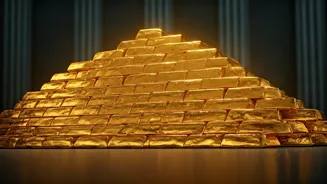
The number itself is staggering. The headline’s figure points to a massive haul, and official data from the World Gold Council confirms the trend: in the first quarter of 2024 alone, central banks around the globe collectively added a net 290 tonnes of gold
to their reserves. To put that in perspective, that’s roughly the weight of two blue whales, converted into solid gold bars. It marks the strongest start to any year on record for central bank gold demand. This isn't just a minor portfolio adjustment; it's a deliberate, large-scale strategic shift. These institutions, which are responsible for managing their nations' foreign exchange reserves and financial stability, are voting with their vaults. They are choosing to hold a physical, tangible asset with no counterparty risk over other options, like government bonds or foreign currencies.
The 'Why' Behind the Binge
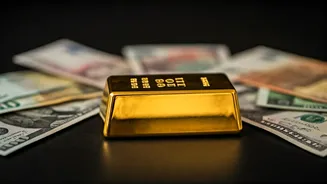
So, what’s driving this global gold rush? It’s a cocktail of three major anxieties: geopolitical risk, stubborn inflation, and a quiet but growing desire to diversify away from the U.S. dollar. First, in a world rocked by conflict and sanctions, gold is a neutral asset. It cannot be frozen or devalued by a single government in the way foreign currency reserves can. Nations are hedging their geopolitical bets. Second, despite central banks' efforts to control rising prices, inflation remains a persistent threat in many economies. Gold has a millennia-long track record as a store of value, holding its purchasing power over long periods when paper money loses its own. Finally, there's the 'de-dollarization' trend. While the dollar remains the world's primary reserve currency, some countries, particularly emerging market giants like China, India, and Turkey (all major buyers), are actively reducing their reliance on it. Buying gold is a key part of that strategy, allowing them to build reserves that are independent of U.S. monetary policy and geopolitical influence.
What Is a 'Safe Haven' Anyway?
The term 'safe haven' gets thrown around a lot, but it’s crucial to understand what it means in the context of gold. A safe-haven asset isn't something you buy to get rich quick. It's something you own so you don't get poor. Think of it less as a speedboat designed for high-octane growth and more as a life raft. Its primary purpose is to preserve wealth during times of economic or market turmoil. Unlike stocks, which represent a share in a company's future earnings, or bonds, which are essentially loans to a government or corporation, gold’s value is intrinsic. It doesn't pay dividends or interest. Its appeal lies in its scarcity, its physical nature, and its universal acceptance as a store of value for thousands of years. When investors lose faith in paper assets, they historically turn to gold. It's financial insurance against the worst-case scenarios.
A Barometer for Global Anxiety
While the average American isn’t in the business of buying gold by the tonne, the behavior of central banks is a powerful macroeconomic signal. These institutions have a bird's-eye view of the global financial system and a mandate to prepare for long-term risks. When they collectively move this aggressively into a traditional safe-haven asset, it suggests they foresee sustained instability on the horizon. It’s a sign that the world's most powerful financial managers are growing warier of high government debt levels, the future of global trade relations, and the stability of the current currency system. Their actions don't necessarily predict an imminent crash, but they do reflect a deep-seated and growing unease. For individual investors, it serves as a potent reminder that diversification and risk management are not just abstract concepts, but active strategies being deployed at the highest levels of global finance.