



More Than Just a Pretty Flowerbed
For generations, the quintessential American garden was a showcase of ornamental beauty. Prized roses, pristine lawns, and colorful annuals were the status quo—plants whose primary job was simply to look good. But a new mindset is taking root. Increasingly,
home growers are making their first and most important planting decisions based on utility. This isn’t an outright rejection of beauty, but rather a redefinition of it. Today's gardeners are finding beauty in function, celebrating a plant that not only delights the eye but also ends up on the dinner plate, in a tea, or supports local pollinators. This utilitarian shift transforms gardening from a purely aesthetic pursuit into a productive and rewarding partnership with the land, no matter how small the plot.
The 'Victory Garden 2.0' Effect
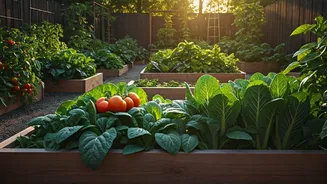
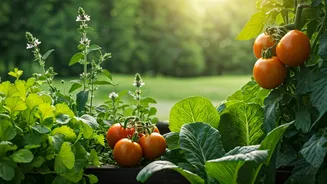
So, what’s driving this dirt-under-the-fingernails pragmatism? The reasons are a mix of economic sense and a deeper cultural craving for self-reliance. As grocery bills climb, the appeal of growing your own food is obvious. A few well-tended tomato plants can provide a summer's worth of fresh produce for a fraction of the supermarket cost. Experts have dubbed this the 'Victory Garden 2.0' phenomenon, a nod to the WWII-era push for home food production. But unlike its historical predecessor, this movement isn't just about surviving a crisis. It’s also fueled by a post-pandemic hunger for tangible hobbies, a desire to know exactly where our food comes from, and a growing awareness of sustainability. A home garden shortens the supply chain to mere feet, reduces food waste, and provides a powerful sense of security and accomplishment.
Redefining a 'Useful' Plant
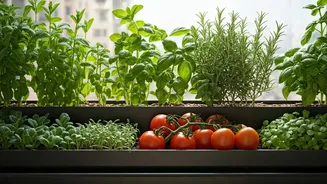
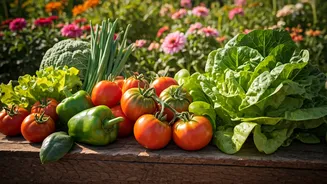
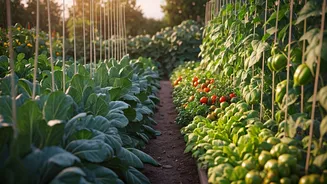
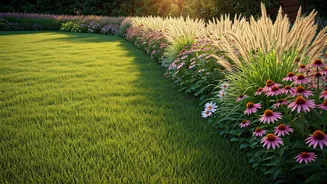
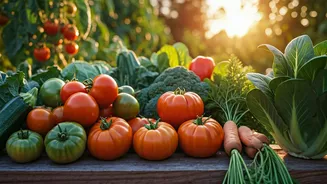
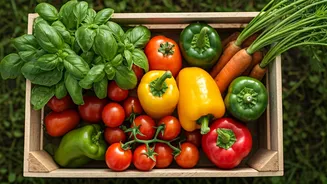
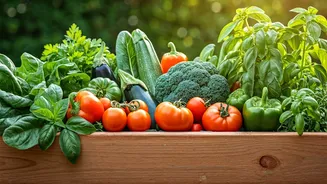
When people hear “useful plants,” their minds often jump straight to rows of corn and carrots. While vegetables are certainly the stars of the movement, the modern definition of utility is much broader and more creative. A “useful” plant is any plant that does a job beyond just looking pretty. This includes: * **Edibles:** From classic tomatoes and lettuces to more exotic finds like ground cherries and cucamelons. * **Herbs:** Culinary powerhouses like basil, rosemary, and mint are easy to grow in pots and provide fresh flavor for cooking and cocktails. * **Medicinals:** Echinacea (a beautiful coneflower) for immune support, chamomile for calming teas, and aloe vera for skin soothing are increasingly popular. * **Pollinator attractors:** Plants like lavender, bee balm, and salvia are “useful” because they support the bees and butterflies needed to pollinate the edibles in the garden, creating a self-sustaining ecosystem. * **Craft and Dye Plants:** Indigo for blue dye, marigolds for yellow, and even gourds for crafting into birdhouses fall under the useful umbrella.
Edible Landscaping Takes Root
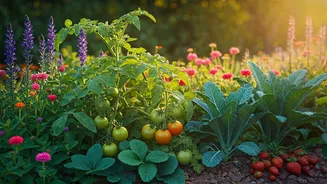
Perhaps the most exciting expression of this trend is the rise of “edible landscaping,” or “foodscaping.” This design philosophy cleverly erases the line between the vegetable patch and the flowerbed. Instead of hiding the edibles in a corner of the yard, foodscaping integrates them directly into the primary landscape design. Think of a hedge made from blueberry bushes instead of boxwoods, a dramatic, sculptural artichoke plant used as a focal point, or a fragrant carpet of creeping thyme replacing traditional ground cover. Strawberries can spill out of hanging baskets, and colorful Swiss chard can stand in for ornamental coleus. This approach proves that a garden doesn't have to choose between being beautiful and being productive—it can be both. It’s a holistic view that satisfies the eye, the palate, and the soul.