








An Entire Season, Not Just Weather
For most Americans, a monsoon might conjure images of relentless downpours from a nature documentary. In India, it’s the pivot point of the entire year. After the searing heat of summer, the first rains bring a collective sigh of relief that is almost
palpable. The smell of wet earth, known as *petrichor*, is a celebrated scent. The monsoon is a season of romance in Bollywood films, a time for specific snacks like fried pakoras and hot chai, and the lifeblood for a nation’s agriculture. But this year, as in the past few, the season is also triggering a deeper, more intentional shift among the urban, educated classes. It’s a move away from globally homogenous foods and toward the forgotten riches of their own backyards.
The Kitchen Gets a Wild Makeover
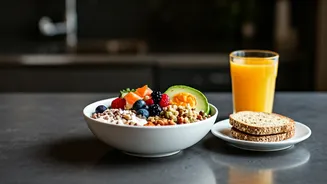
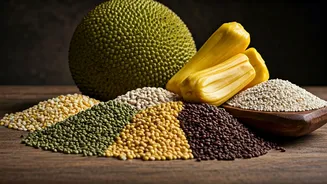
Step into a trendy, health-conscious kitchen in Mumbai or Bangalore, and you might find less quinoa and kale and more *ragi* and *moringa*. The “Go Native” movement is most visible on the plate. Chefs and home cooks are championing indigenous ingredients that were once dismissed as “poor people’s food.” Millets, a diverse group of ancient grains like sorghum (*jowar*) and pearl millet (*bajra*), are making a massive comeback. They are naturally gluten-free, nutritionally dense, and—crucially—far more climate-resilient than water-guzzling rice and wheat, making them perfect for India’s varied climates. The monsoon, in particular, brings a bounty of foraged goods. Wild mushrooms, tender bamboo shoots, and leafy greens like *takla* or spiny gourd (*kantola*) suddenly appear in local markets, and increasingly, on the menus of high-end restaurants dedicated to regional Indian cuisine. It’s the ultimate expression of seasonal, hyperlocal eating.
Foraging in the Concrete Jungle
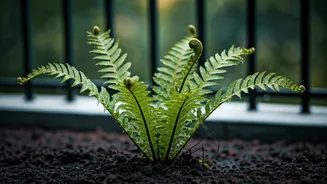
The most surprising part of this trend isn’t just what’s being sold in markets; it’s what’s being found in plain sight. Urban foraging workshops are gaining popularity, teaching city dwellers to identify edible plants growing in parks, along railway tracks, and in neglected public spaces. What most people see as weeds are being revealed as valuable resources. That vine creeping up a wall? It might be Balloon Vine, whose leaves are used in traditional medicine. Those little berries on a roadside shrub? They could be *jamun* (Java plum), a tart, purple fruit that’s a monsoon delicacy. This isn’t just a quirky hobby. For many, it’s a way to reconnect with an ecological knowledge that was severed by urbanization. It’s a treasure hunt where the prize is a deeper understanding of the natural world, even one paved over with asphalt and concrete.
A Taste of Identity and Health
So why is this happening now? It’s a confluence of global trends and local realities. On one hand, it’s part of the worldwide wellness movement, which champions clean eating, gut health, and nutrient-dense “superfoods.” Many of these native Indian plants are powerhouses of vitamins and antioxidants. On the other hand, it’s a form of cultural reclamation. For a generation of Indians who grew up aspiring to Western lifestyles and diets, embracing indigenous foods is an act of asserting a modern identity that is confident in its own roots. It’s a quiet rejection of the idea that “imported” is always better. This movement suggests that sustainability, health, and flavor aren’t things that need to be imported; they can be foraged, grown, and celebrated right at home.