


From Perfect to Personal
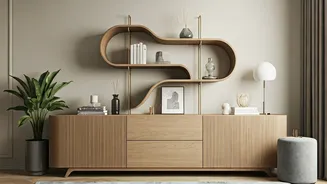
So, what exactly is a 'craft-led' home? Forget the idea of DIY projects and macaroni art. This trend is about curating a space with objects made by skilled artisans—pieces that prioritize story and substance over slick, mass-produced uniformity. Think
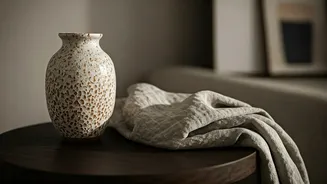
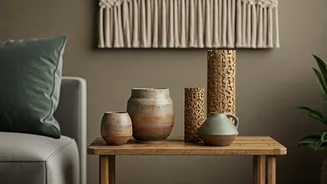
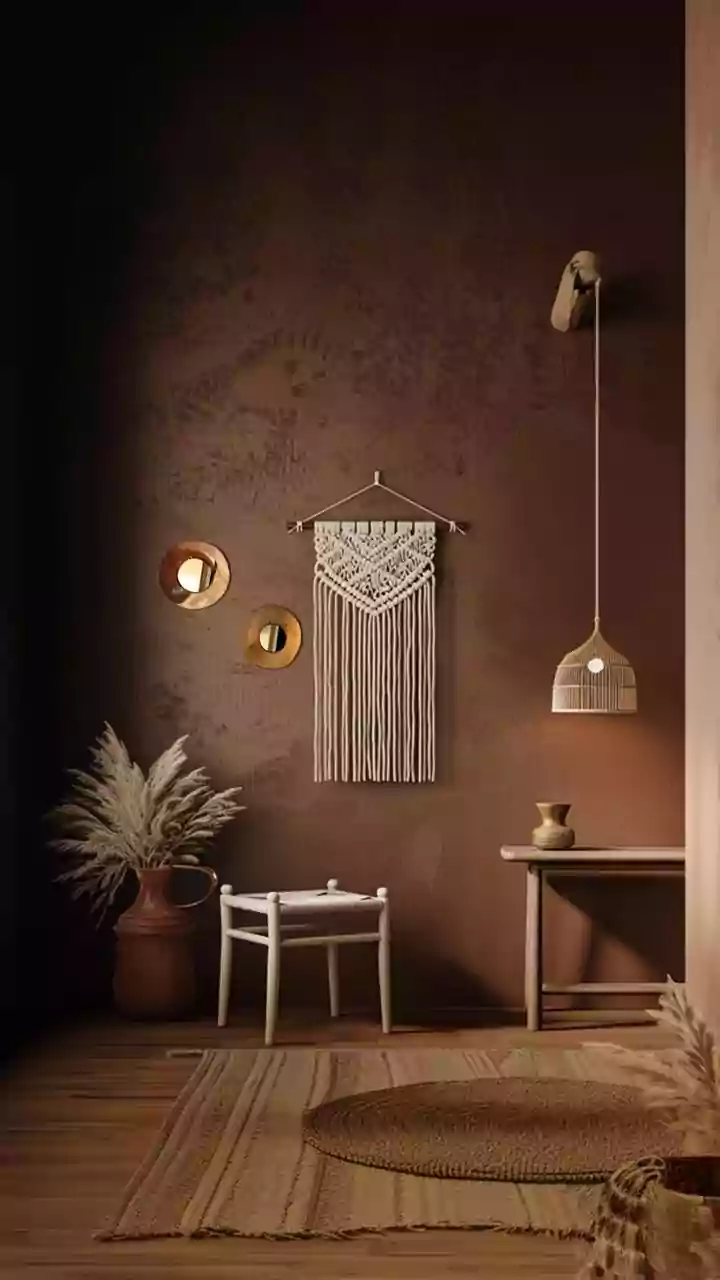
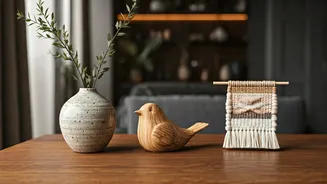
of the slightly irregular rim of a hand-thrown ceramic mug, the visible joinery on a custom-built wooden bookshelf, or the subtle variations in a hand-loomed rug. These aren't defects; they're proof of life. They are the fingerprints of the maker left behind. This aesthetic champions the unique, the durable, and the meaningful. It’s a quiet rebellion against the sea of sameness that populates big-box stores and influencer-driven design. Instead of a home that looks like a catalog page, the goal is a layered, deeply personal environment where every object has a point of origin and a purpose beyond just filling a corner.
The Backlash Against 'Fast Furniture'
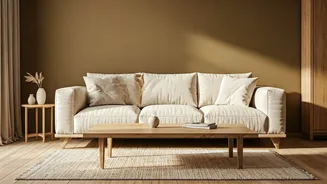
The rise of the craft-led interior is a direct reaction to the era of 'fast furniture'—cheap, trendy, and ultimately disposable decor designed to be replaced in a few years. For a while, the ability to furnish an entire apartment with a single Allen key and a credit card felt like a modern convenience. But the novelty has worn off, leaving behind a sense of wastefulness and a surprising lack of personality. When everyone buys the same boucle chair, the same abstract print, and the same minimalist coffee table, our homes start to look like algorithmic echoes of one another. The craft-led movement is a conscious uncoupling from this cycle. It's a desire for longevity, both in terms of physical durability and timeless style. People are growing tired of things that fall apart and are beginning to seek out items they can cherish for decades, not just for a season.
The Flex Is the Story, Not the Price Tag
In the past, an interior 'flex' might have been an expensive designer sofa or a rare piece of art. Today, the flex is more subtle and far more interesting: it’s the story behind the object. Being able to say, 'This table was made by a woodworker in Vermont from a fallen maple tree' or 'I bought this vase directly from the ceramicist I met at a local market' carries a new kind of social and cultural currency. This isn't about snobbery; it’s about connection. In a disconnected, digital world, owning something tangible that was shaped by another human being feels grounding. It’s a vote for small-scale creativity and a rejection of anonymous, faceless production. The value lies not in the brand name, but in the narrative, the provenance, and the soul embedded in the piece.
How to Cultivate an Artisan Aesthetic
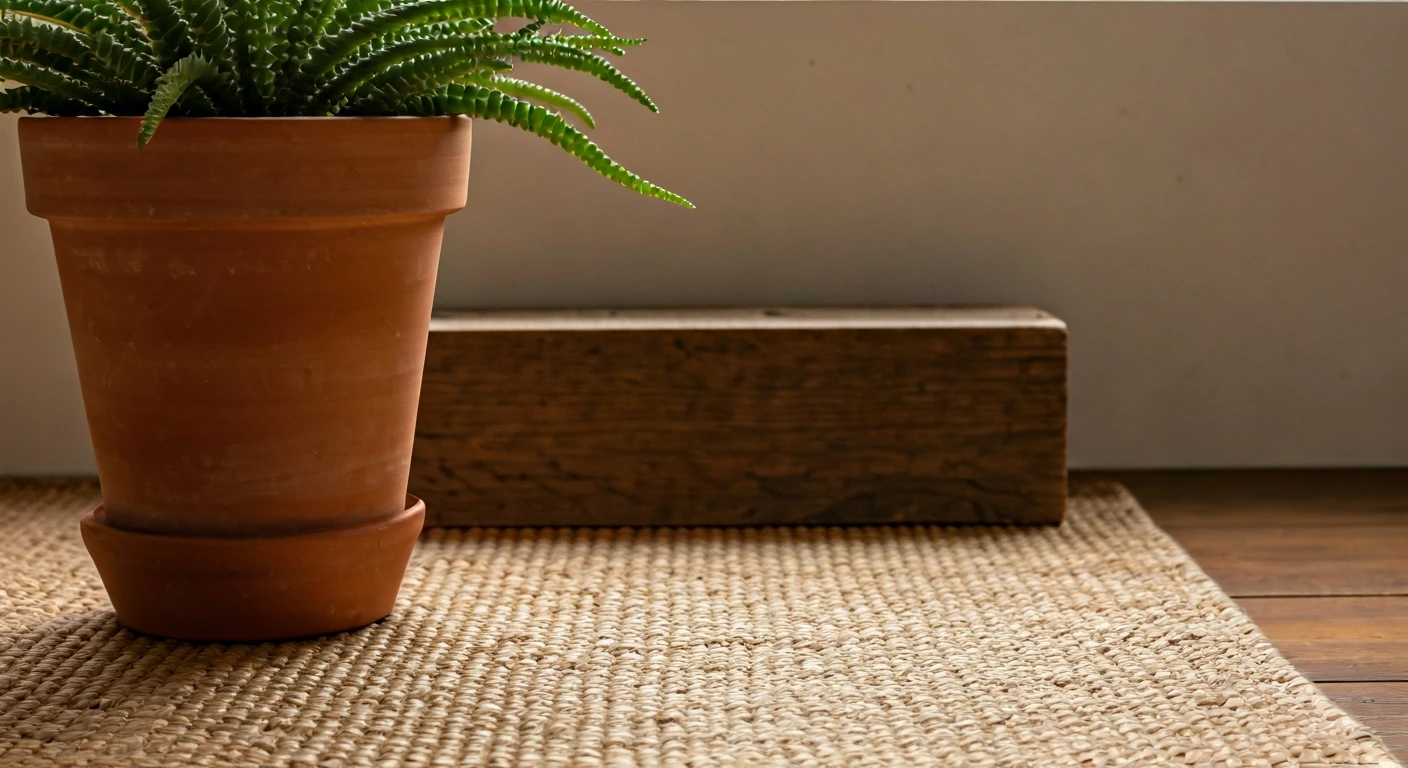
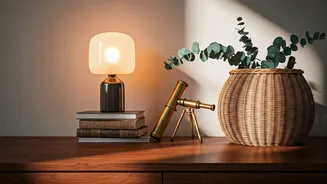
Embracing a craft-led home doesn’t require a massive budget or a complete overhaul. It’s about a shift in mindset from decorating to collecting. Instead of buying a generic set of six drinking glasses, you might start by acquiring two beautiful, hand-blown tumblers from a glass artist. Instead of a mass-market canvas print, you might save for a limited-edition linocut from a printmaker on Etsy. Key elements to look for include natural materials like wood, clay, linen, and wool. Focus on pieces where you can see the evidence of craftsmanship. This could be anything from a quilt stitched by a local artisan to a custom-welded steel plant stand. Start small. Visit farmers' markets, art fairs, and online marketplaces that connect buyers with makers. The goal isn't to get it done quickly; it's to build a collection of meaningful objects over time.