
The Anatomy of a Perfect Bite
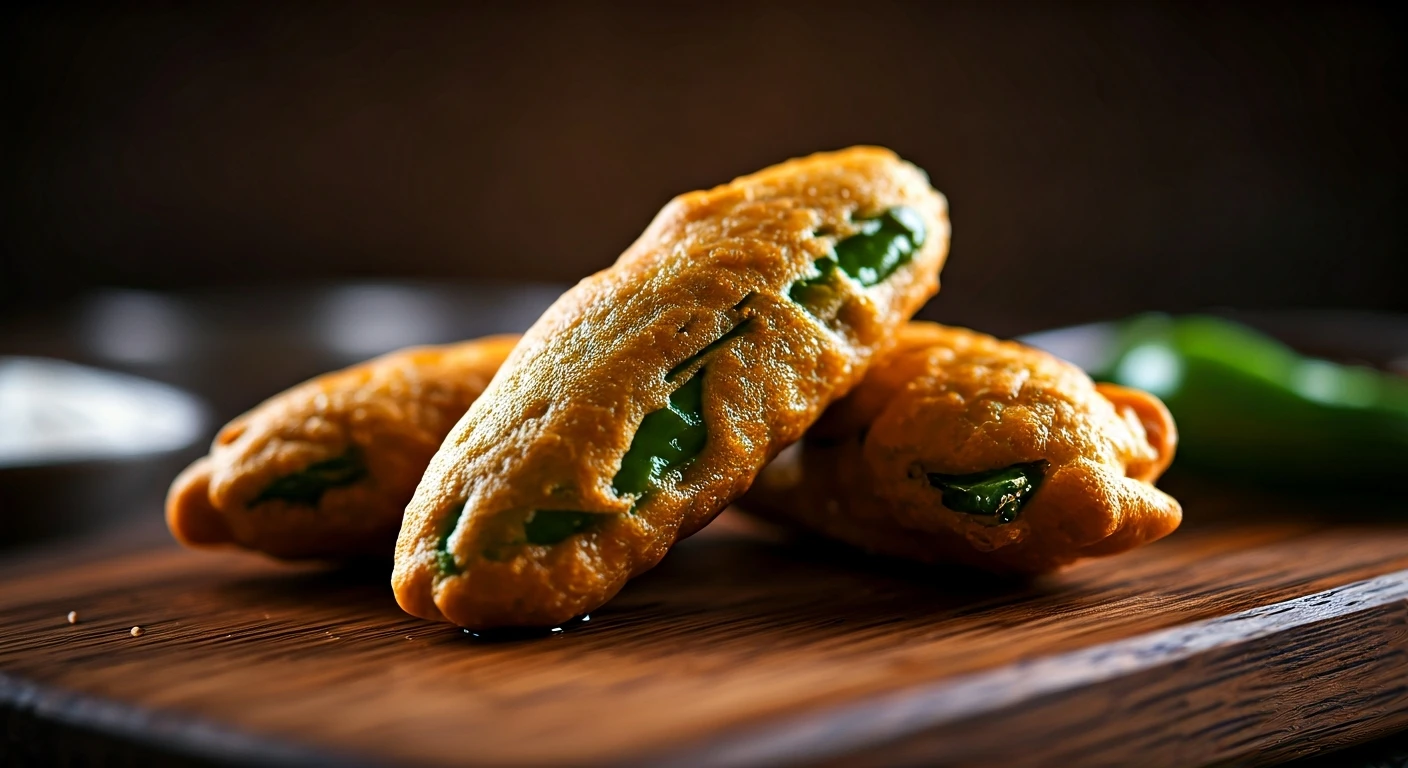
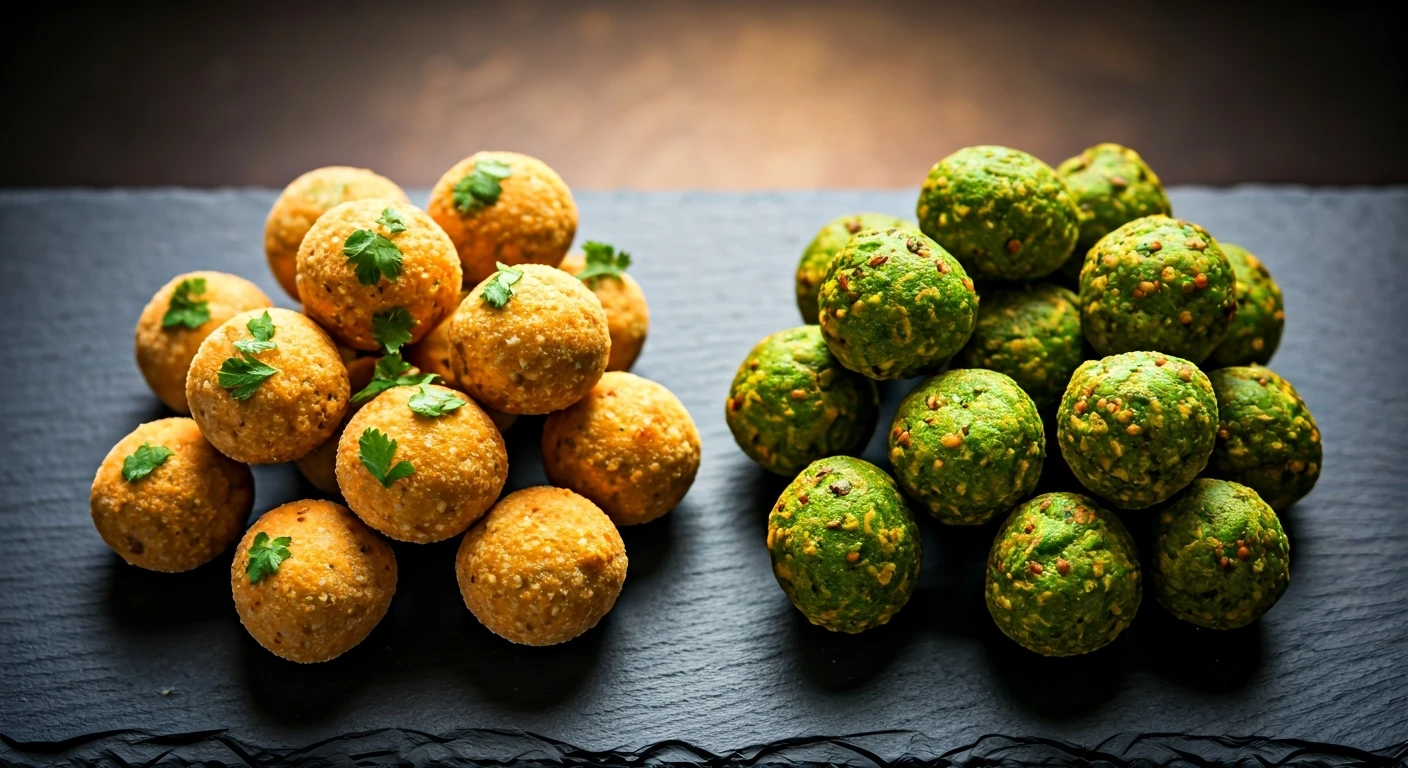
Before we get to the magic of the monsoon, let’s talk about the star of the show: the paneer pakora. Imagine a cube of firm, milky Indian cheese called paneer. It’s mild, dense, and doesn't melt into a gooey mess when heated, instead holding its shape
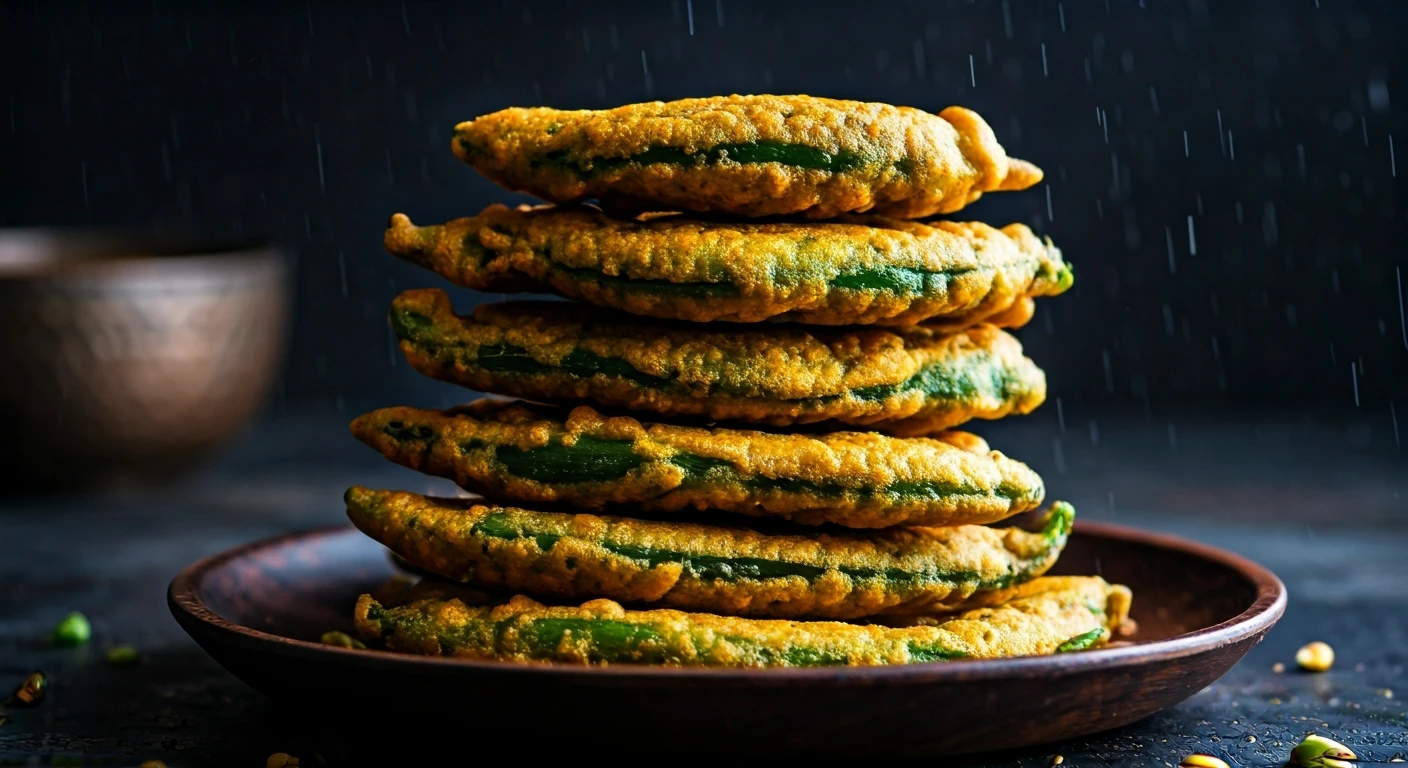
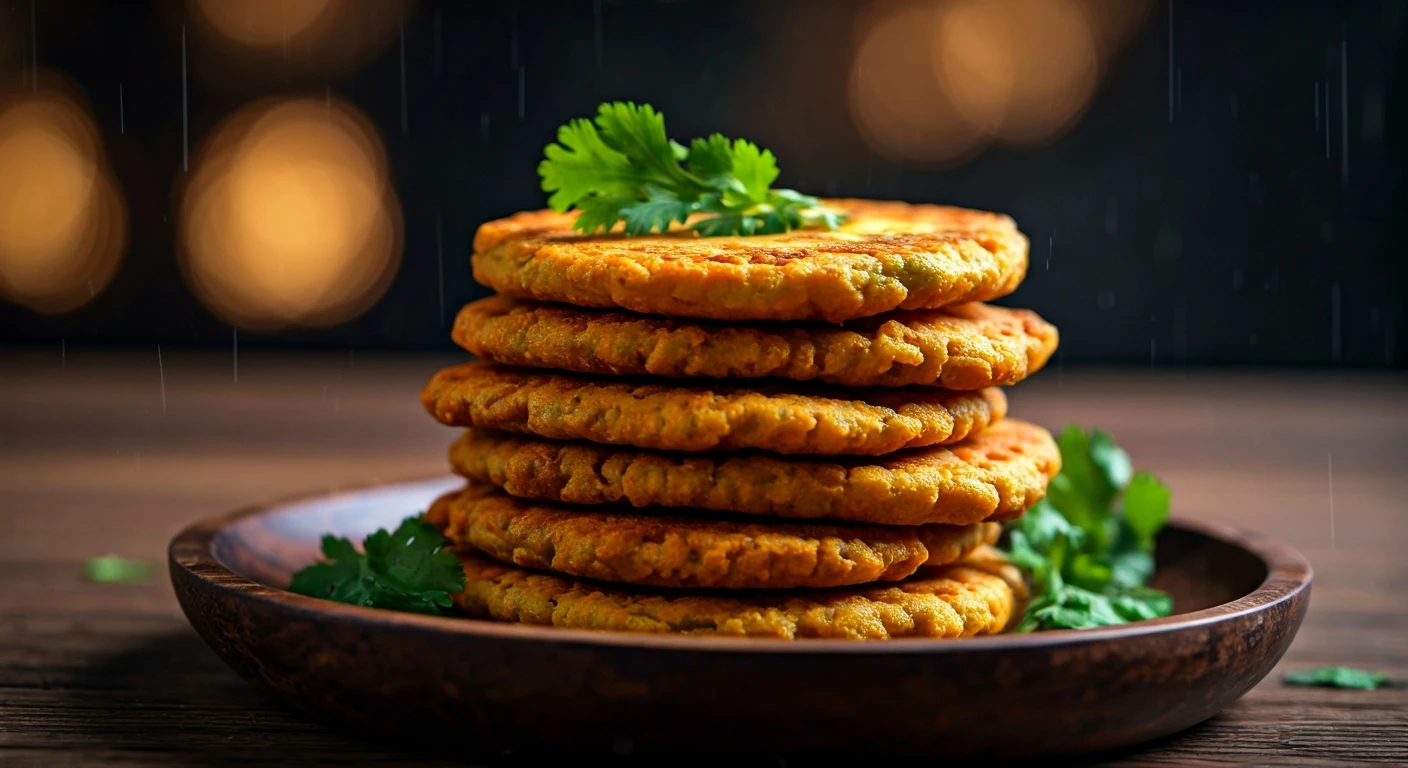
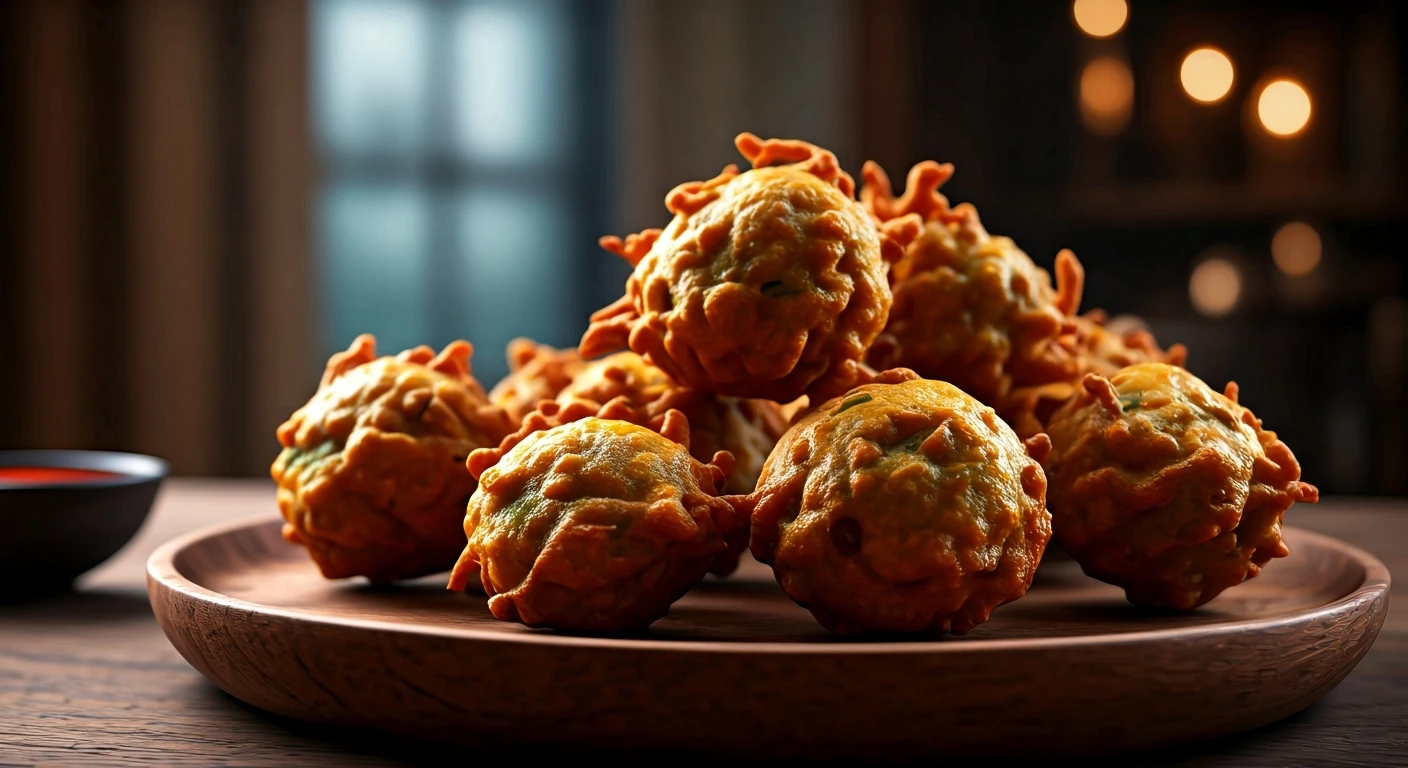
and becoming warm and delightfully squeaky. This cube of cheese is dipped in a thick, spiced batter made from gram flour (besan), which is derived from chickpeas. The batter is seasoned with a classic array of Indian spices—turmeric for color, red chili powder for a gentle kick, ajwain (carom seeds) for a distinctive, slightly bitter note, and a pinch of garam masala for warmth. Then, it’s deep-fried until the outside is a craggy, golden, and audibly crispy shell, encasing the soft, pillowy paneer within. It’s a study in contrasts: crunchy and soft, spicy and mild, savory and rich. Each bite is a self-contained universe of texture and flavor.
A Deep-Fried Monsoon Tradition
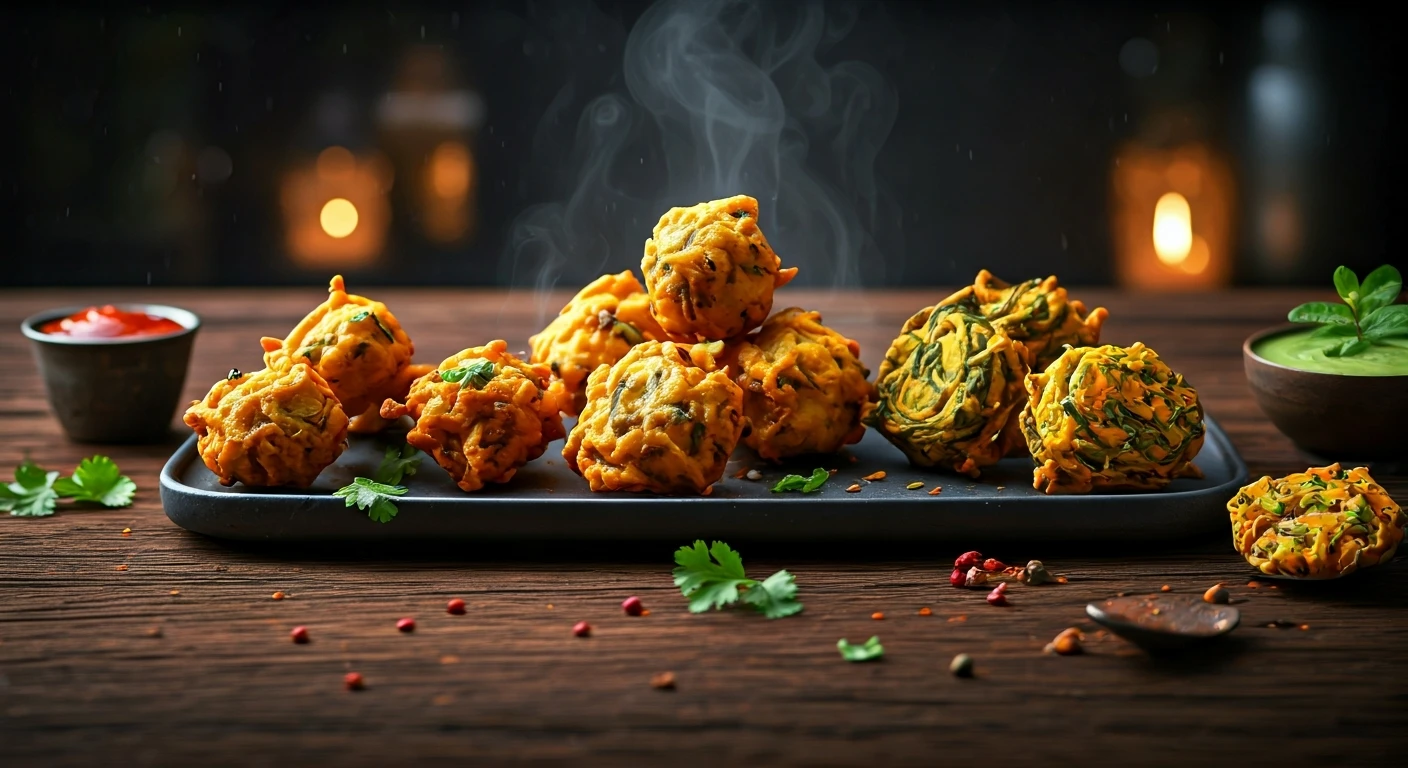
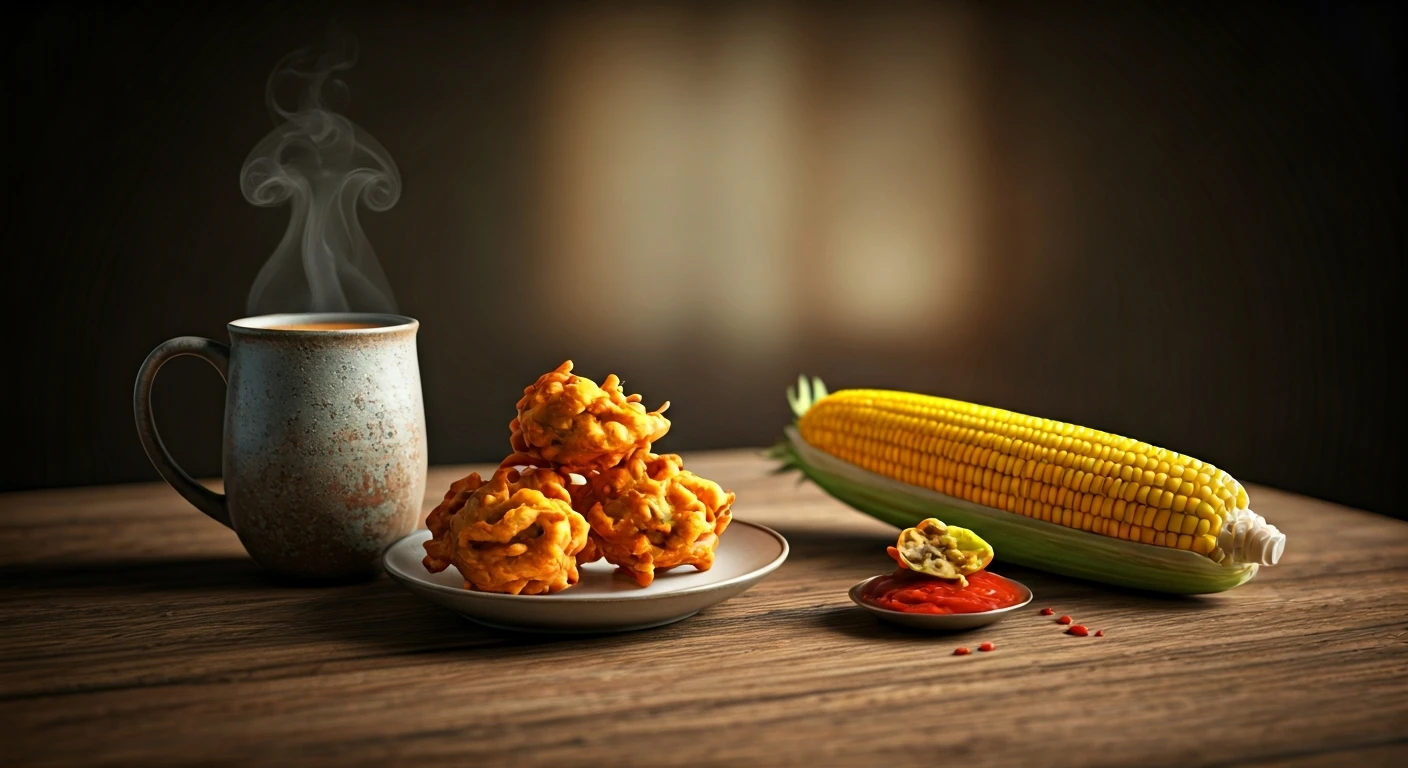
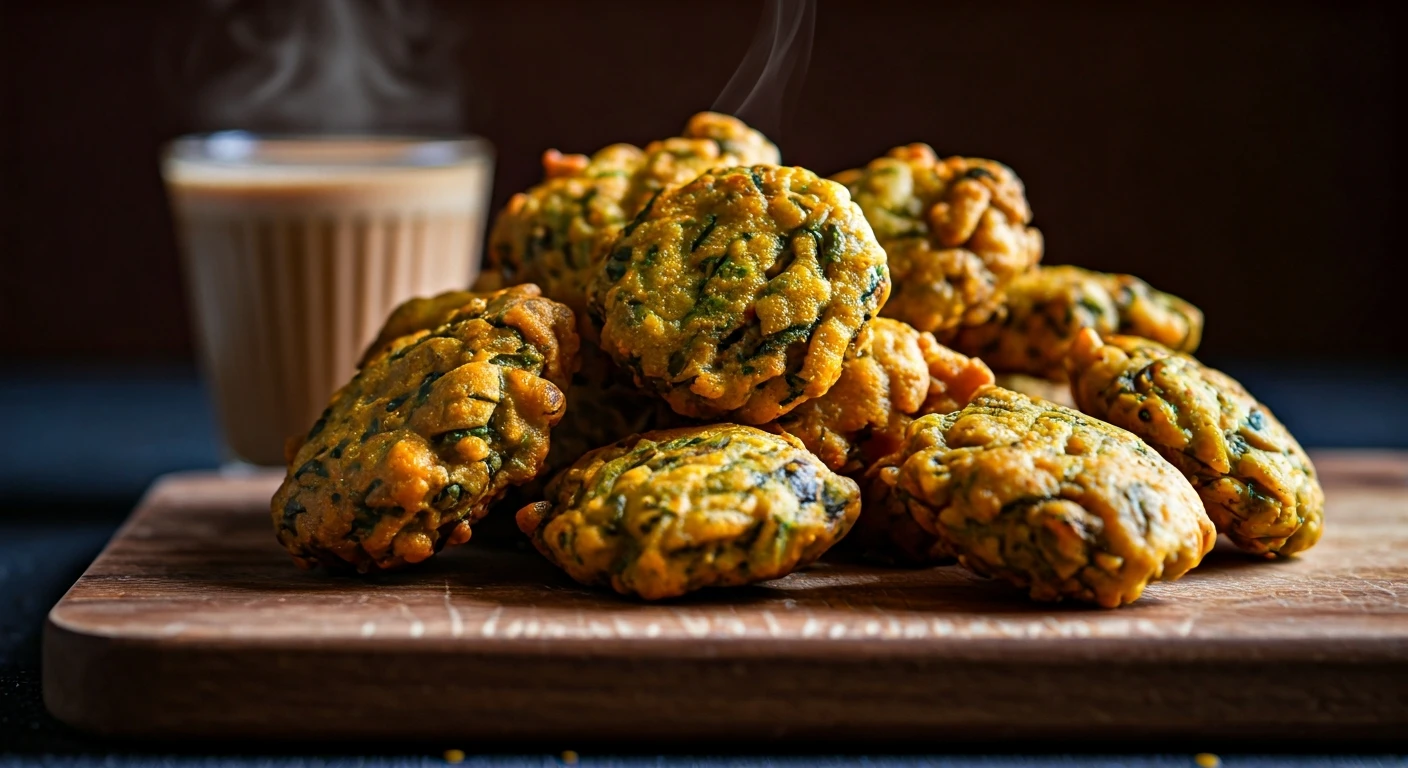
In India, the arrival of the monsoon is a momentous occasion. After months of scorching heat, the rains bring relief, renewal, and a dramatic shift in the atmosphere. The air cools, the dust settles, and a petrichor scent—the earthy smell of rain on dry soil—fills the air. This change in weather also triggers a change in appetite. The desire for cooling salads and light meals gives way to a craving for something hot, fried, and indulgent. This is where pakoras, in all their glorious forms, enter the picture. For generations, the combination of rain, hot tea (chai), and freshly fried pakoras has been an unofficial trio of comfort. The sound of sputtering oil in the kitchen becomes the soundtrack to the pitter-patter of rain outside. It’s a sensory ritual that turns a gloomy, wet day into a cozy, celebratory event. Families gather, street vendors do a roaring trade, and the simple act of eating a hot, crispy snack becomes a shared moment of joy.
Why Paneer Steals the Show
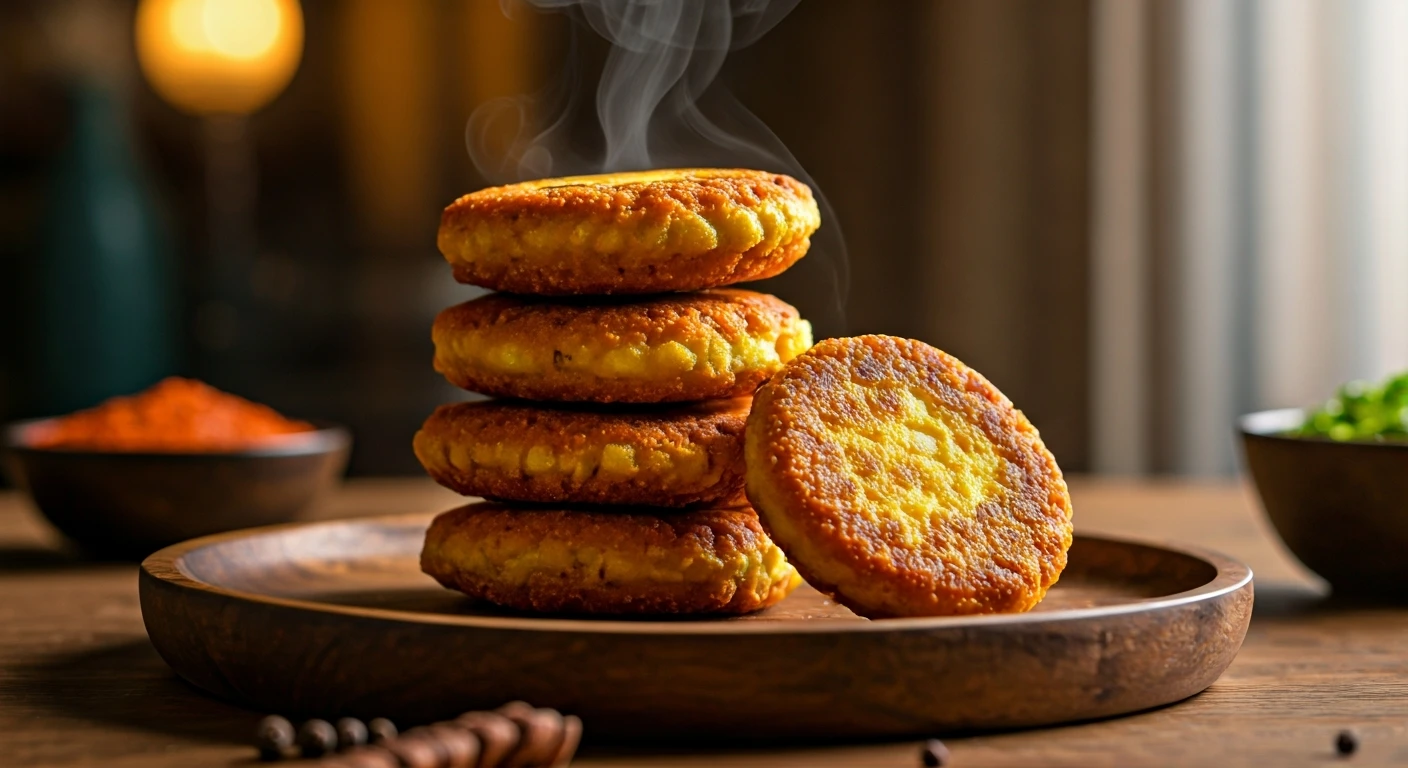
While you can make pakoras out of almost anything—onions, potatoes, spinach, even chilis—the paneer version holds a special place. The vegetable pakoras are fantastic, but they blend more with the batter. Paneer, however, offers a distinct textural counterpoint. The crispy, spicy coating gives way to a block of pure, unadulterated creaminess. It feels more substantial, more luxurious. While an onion bhaji is a humble, everyday hero, the paneer pakora feels like a special treat. It’s the snack you make when you want to elevate the moment from just a rainy afternoon to an occasion for genuine indulgence. It provides a heartiness that other pakoras, as delightful as they are, can’t quite match. This makes it the ultimate comfort food—it’s both a snack and a satisfying mini-meal.
The Essential Companions
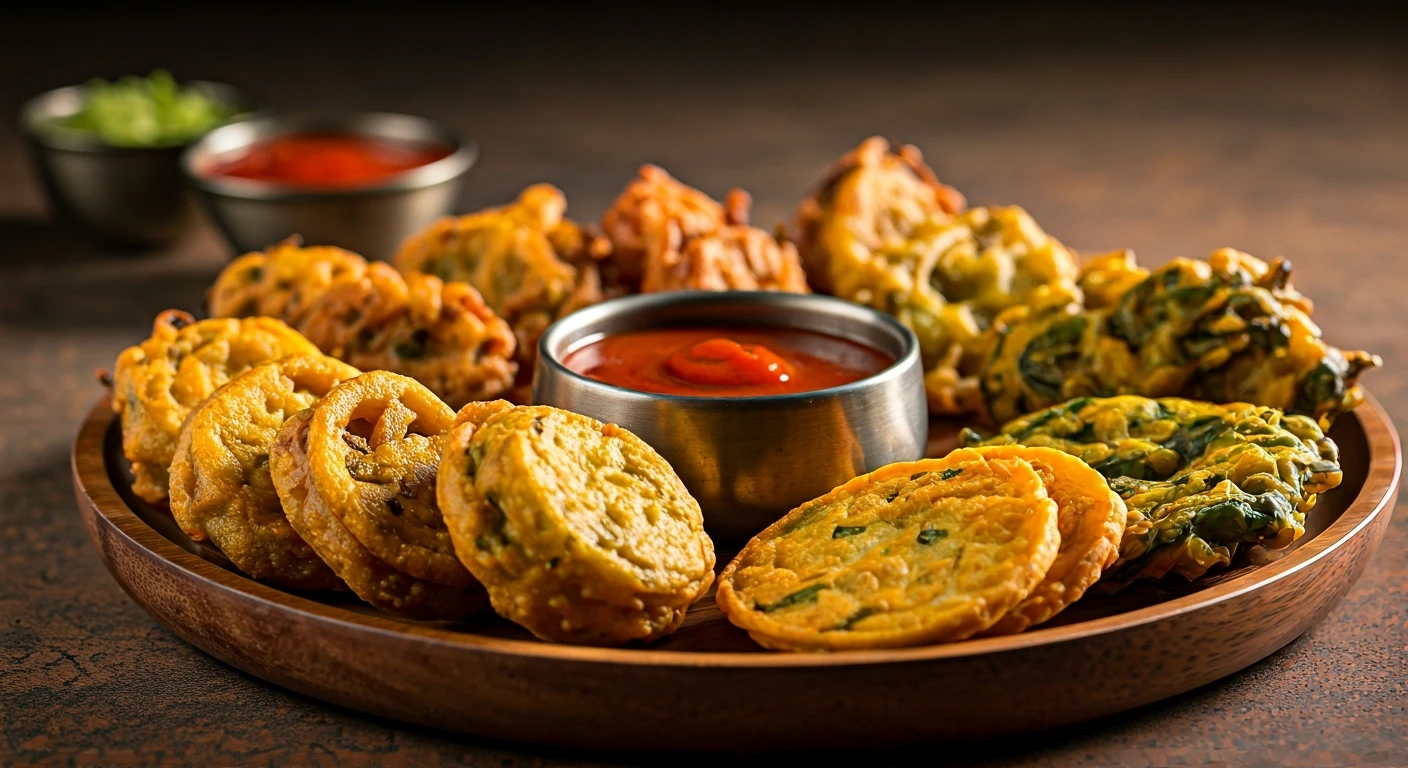
A paneer pakora is never truly complete on its own. It demands companions, and the pairings are as traditional as the snack itself. First and foremost is a steaming cup of masala chai. The sweet, milky, spice-infused tea is the perfect foil to the savory, oily pakora. The warmth of the ginger and cardamom in the chai echoes the spices in the batter, creating a harmonious flavor loop. Then come the chutneys. A vibrant green chutney, made from cilantro, mint, green chilis, and a squeeze of lime, provides a fresh, zesty, and herby contrast that cuts through the richness of the fried snack. Alongside it, you’ll often find a sweet and sour tamarind chutney. Its dark, tangy, and slightly sweet profile adds another layer of complexity. Dipping the hot pakora first in the green chutney, then in the tamarind, creates a perfect, multi-layered bite that hits every note: hot, cold, crispy, soft, spicy, tangy, and sweet.