


Meet the 'King': The Alphonso
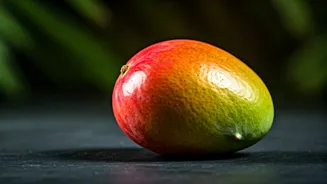
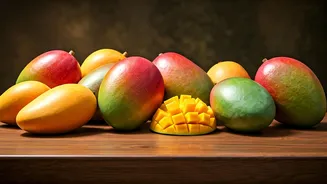
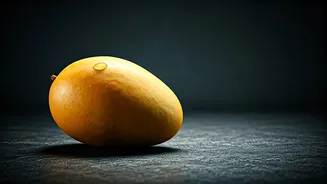
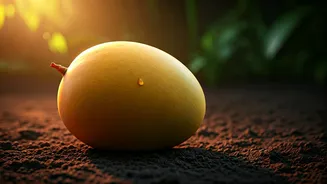
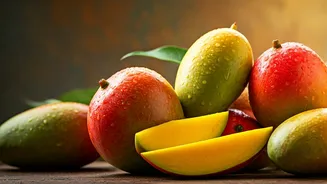
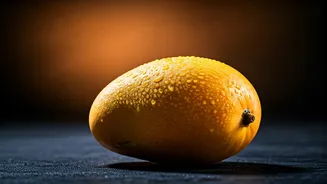
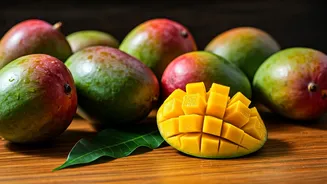
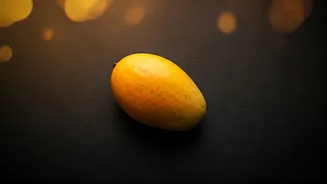
If you’ve heard of any Indian mango, it’s probably the Alphonso, or 'Hapus.' Grown primarily in the western states of Maharashtra and Gujarat, this is the mango that drives obsession. It’s not just sweet; it's a complex experience. Its saffron-colored
flesh is non-fibrous and buttery, melting on the tongue with notes of citrus, honey, and something almost floral. The Alphonso is so prized that it has a short, frantic season (typically April to June) where prices soar. It’s the Rolex of mangoes—a status symbol you can eat, and a flavor benchmark against which all others are judged.
The Sweet Perfume: Kesar
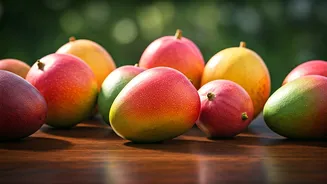
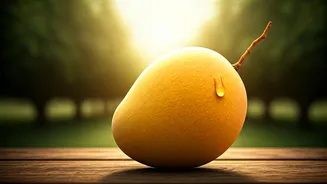
Named for its saffron-like color and intense aroma ('Kesar' means saffron), this variety from the foothills of Girnar in Gujarat is a close rival to the Alphonso for the title of best mango. While the Alphonso is prized for its creamy texture, the Kesar is celebrated for its knockout fragrance and intensely sweet, syrupy juice. It's often called the 'Queen of Mangoes' and is the go-to variety for making *aamras*, a thick, heavenly mango pulp that’s a summertime staple in western India. If Alphonso is a decadent dessert, Kesar is a glass of pure, liquid sunshine.
Northern Delights: Dasheri and Chaunsa
Travel north, and the mango landscape changes completely. The Dasheri, originating from a single 200-year-old mother tree near Lucknow, is a fiberless, long, and slender mango with a sweet, peachy flavor. It’s a classic, widely loved for its balanced taste. Following it later in the season is the Chaunsa, a variety so sweet and aromatic that many in North India consider it the true king. It has incredibly soft pulp and a rich, honey-like sweetness that lingers. The traditional way to eat a Chaunsa is to gently knead the fruit, snip off the top, and drink the pulp directly—no knife needed.
So, Why So Many?
This incredible diversity isn't an accident; it's the result of centuries of cultivation, geography, and passion. Mangoes have been grown in India for over 4,000 years. For generations, farmers and nobles alike practiced grafting—attaching a branch from a desirable tree onto a different rootstock—to create and stabilize new varieties. Each region’s unique soil and climate produced distinct flavors. A mango from a coastal region tastes different from one grown inland. This horticultural obsession, passed down through families, created a living library of fruit, with each variety having its own name, story, and dedicated fan base.
More Than Just a Fruit
In India, the mango is deeply woven into the cultural fabric. The paisley pattern, a globally recognized design, is based on the shape of a mango. The fruit appears in religious texts, ancient art, and Bollywood songs. The arrival of the first mangoes of the season is a celebrated event, marking the true beginning of summer. Families have fierce, multi-generational debates over which local variety is superior. It’s a symbol of hospitality, a gift between friends, and the flavor of childhood for millions.
The Challenge of Tasting Them
If these mangoes are so amazing, why aren't they at your local Safeway or Kroger? It's a matter of logistics and regulation. Many of these heritage varieties have a very short shelf life and don't travel well. Furthermore, for decades, Indian mangoes were banned in the U.S. due to concerns about fruit flies. While they are now allowed, they must undergo irradiation treatment, a process that can subtly alter the taste and texture. Your best bet for finding them in the States is to visit a well-stocked Indian grocery store during the peak season (late spring to mid-summer) and look for boxes flown in from India—a pricey but worthwhile indulgence.