








The Unprecedented Economic Weather
For many Millennials and nearly all of Gen Z, the concept of a “normal” economy is purely academic. Their formative financial years have been a highlight reel of extremes. First came the long, slow recovery from the 2008 financial crisis, a period defined
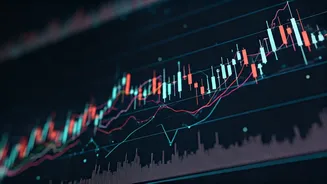
by low growth and stagnant wages but also incredibly cheap debt. Then came the rocket-fueled, whiplash-inducing COVID economy: stimulus checks, a stock market that went vertical, crypto hitting the mainstream, and a housing market that detached from reality. Money felt both free-flowing and deeply precarious.Now, the pendulum has swung again. Inflation, a ghost story for decades, returned with a vengeance. The Federal Reserve responded by hiking interest rates at a pace not seen in a generation, making mortgages, car loans, and credit card debt punishingly expensive. For a young person trying to build a financial plan, this isn't just a cycle; it's a chaotic vortex. The traditional financial playbook, written in an era of more predictable economic seasons, feels woefully outdated.
When Sunny Days Warp Your Judgment
This chaotic environment has a profound psychological effect. When markets only seem to go up, as they did for much of the 2010s and again in 2020-2021, a dangerous mindset can take root. The Fear of Missing Out (FOMO) becomes a more powerful motivator than the fear of losing money. Investors who got their start in this period were rewarded for taking huge risks—piling into speculative tech stocks, cryptocurrencies, or NFTs. Saving in a simple bank account felt like a loser’s game.This is the core of what’s missing: rainfall context. “Rainfall context” is the lived understanding that markets do not always go up. It’s the knowledge that downturns, recessions, and periods of high interest rates are not aberrations; they are a normal, inevitable part of the economic climate. Without this context, a portfolio built for perpetual sunshine gets washed away in the first major storm. Planners who have never seen a prolonged bear market or had to budget through a real recession may be over-leveraged, under-diversified, and psychologically unprepared for the inevitable downturn.
Building Your Financial Storm Shelter
So, how do you build this context without having to live through a decade of misery? You learn from history and apply its lessons with discipline. The first step is acknowledging that the goal isn't to avoid rain, but to be prepared for it.First, the foundation of any sound financial plan is an emergency fund. This isn't exciting, but it's non-negotiable. Having 3-6 months of essential living expenses saved in a high-yield savings account is your financial umbrella. It’s what allows you to cover an unexpected job loss or medical bill without having to sell your investments at a loss or go into high-interest debt.Second, practice true diversification. This means more than just owning a dozen different tech stocks. It means owning a mix of assets—U.S. stocks, international stocks, bonds, and maybe real estate—that behave differently in various economic conditions. A simple, low-cost target-date index fund can do this for you automatically. It’s the financial equivalent of dressing in layers; you’re prepared for a sudden drop in temperature.
Seeing Rain as an Opportunity
The most sophisticated money planners don’t just endure the rain; they use it. Market downturns are when assets go on sale. For someone with a long time horizon, a 20% drop in the S&P 500 isn't a catastrophe; it’s a Black Friday sale for ownership in America’s best companies. This is where having rainfall context truly pays off. Instead of panicking and selling when the market tumbles, a prepared investor sees a buying opportunity.This requires having both the financial resources (cash on the sidelines or steady income to invest) and the emotional fortitude to act when everyone else is scared. The habit of dollar-cost averaging—investing a fixed amount of money at regular intervals, regardless of market movements—builds this discipline into your plan. It ensures you’re buying more shares when prices are low and fewer when they are high. It’s how you turn a downpour into a long-term advantage.