



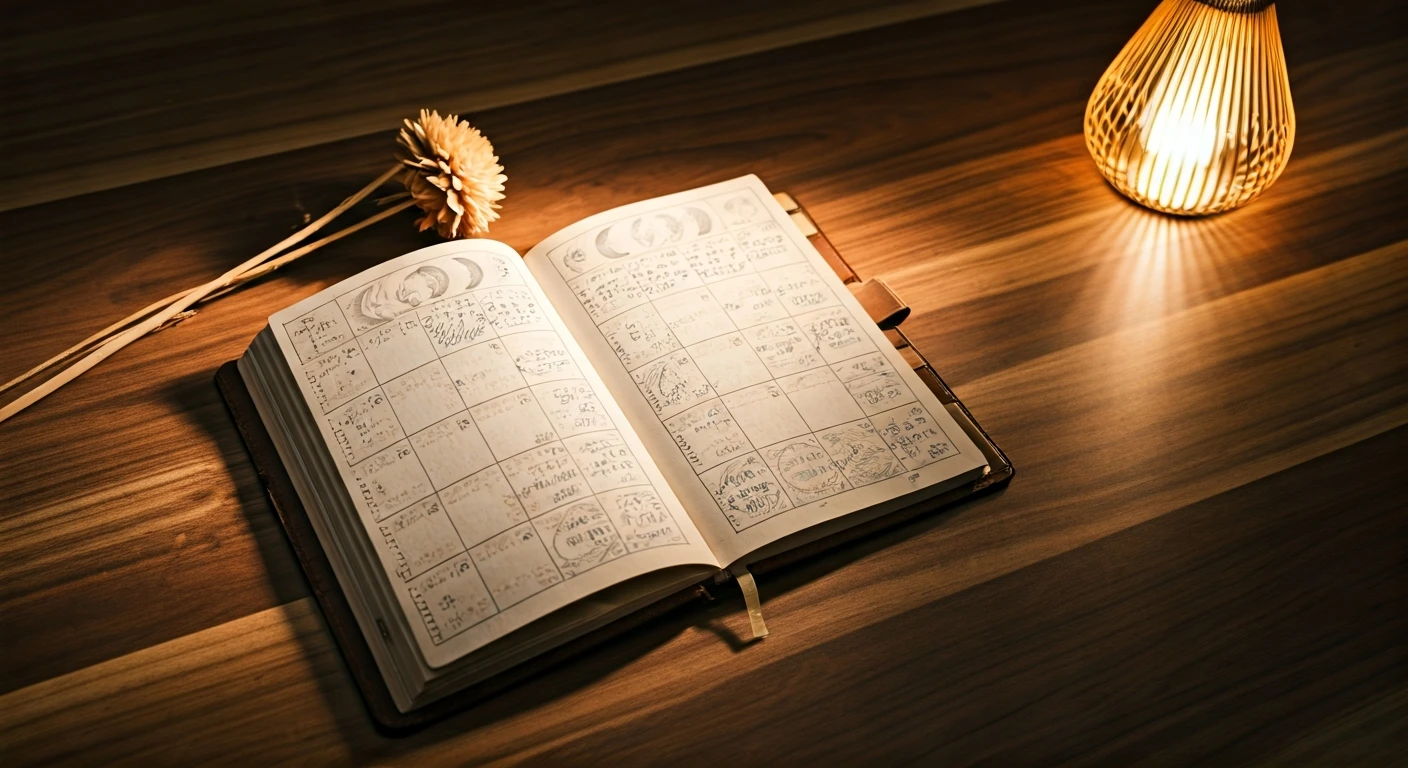


What Exactly Is a Panchang?
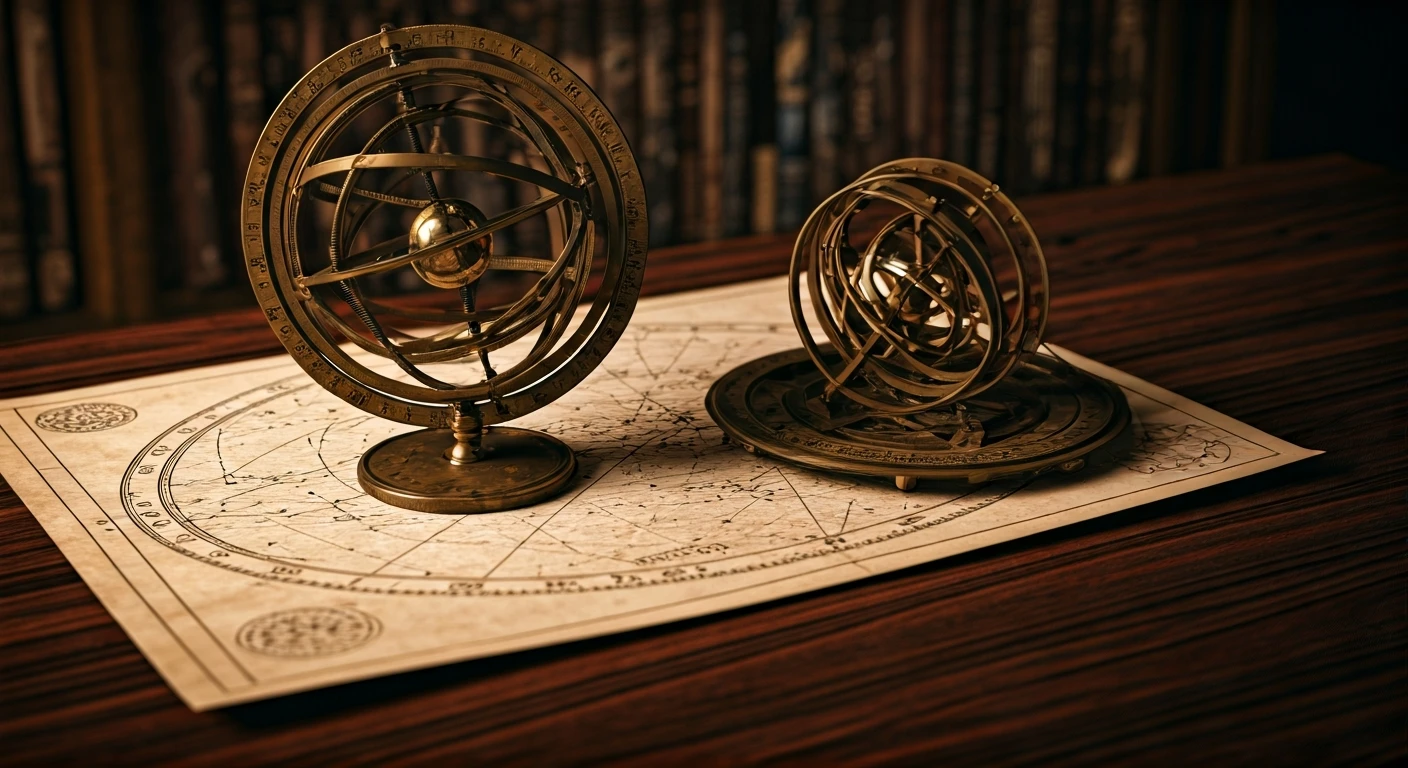
Think of the Panchang as a traditional Hindu almanac, but far more detailed than the farmer’s version you might find in the U.S. It’s a cosmic day planner that tracks the positions of the sun, moon, and other celestial bodies to map out the subtle energies
of each day. For centuries, it has been used to determine auspicious timings for major life events like weddings, ceremonies, and new ventures. But in our modern context, it can be repurposed. Instead of a rigid set of rules, you can use it as a guide for living more in sync with natural cycles, offering a gentler alternative to the relentless pressure of the 24/7 work week. It’s less about predicting the future and more about understanding the present moment's unique energetic signature.
The Five 'Limbs' of Time
The word “Panchang” literally translates to “five limbs” (pancha-anga), referring to the five key data points it tracks for any given day. While the details can get incredibly complex, the basics are quite intuitive: 1. Vara (Day): The weekday, each ruled by a specific planet with its own associated energy (e.g., Sunday for the Sun, Monday for the Moon). 2. Tithi (Lunar Day): There are 30 tithis in a lunar month, tracking the phase of the moon. This tells you about the moon's energy, from the quiet introspection of a new moon to the celebratory peak of a full moon. 3. Nakshatra (Lunar Mansion): The zodiac is divided into 27 nakshatras. The moon's position in a specific nakshatra on a given day imparts a particular quality or character to that day—some are better for action, others for rest. 4. Yoga (Alignment): This isn't about downward dog. It refers to a specific calculation based on the sun and moon's positions, creating an energetic combination that influences the day's potential for harmony or discord. 5. Karana (Half Lunar Day): Each Tithi is split into two karanas, offering a more granular, half-day forecast of the prevailing energies. Together, these five elements paint a nuanced picture of the day's energetic landscape.
Beyond 'Good' vs. 'Bad' Timings
A common misconception is that the Panchang simply labels times as “good” (shubha) or “bad” (ashubha). This binary view misses the point of softer planning. It’s more helpful to think of it in terms of energetic compatibility. A time deemed “inauspicious” for starting a business might not be 'bad'—it might simply be better suited for activities like rest, reflection, decluttering, or ending a project. A day with sharp, confrontational energy isn't ideal for a delicate conversation, but it might be perfect for tackling a tough workout or a difficult task you’ve been avoiding. The goal isn’t to avoid “bad” times but to align your activities with the supportive energy that’s already present. This shifts the focus from forcing your will upon the day to flowing with its inherent rhythm.
How to Start Your Softer Planning
Diving into the Panchang doesn't require becoming an expert astrologer. You can start small. First, find a reliable source. Many websites and apps offer a free daily Panchang tailored to your location. Instead of trying to track all five limbs, pick one to start. The Nakshatra is a great entry point. Look up today's Nakshatra and its general theme—is it good for learning, creating, socializing, or resting? Then, see if you can schedule one small activity that aligns with that theme. If the day’s energy supports creativity, maybe you spend 20 minutes brainstorming a personal project. If it’s a day for rest, perhaps you skip that intense evening workout and opt for a quiet walk. The idea is to gently nudge your schedule into alignment, not to overhaul it overnight. Let curiosity be your guide.