
The Return of Reliable Comfort
In a world of constant change and uncertainty, there's an undeniable pull toward the familiar. After years of culinary experimentation that sometimes felt more like a science project than dinner, both chefs and diners are finding refuge in dishes that feel
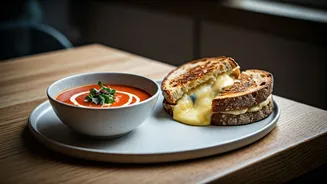
like a warm hug. This isn't just about nostalgia, though that's part of it. It's about reliability. You know what a good burger tastes like. You understand the fundamental satisfaction of a perfect plate of pasta. In an era of economic anxiety and social flux, ordering a dish you already know you’ll love feels like a safe, guaranteed return on your investment. It’s a collective sigh of relief on a plate, a rejection of dining that requires a glossary to understand.
Anatomy of the 'Upgrade'
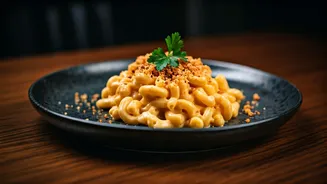
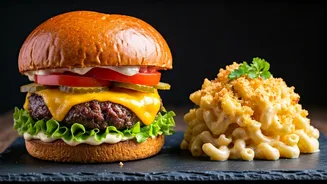
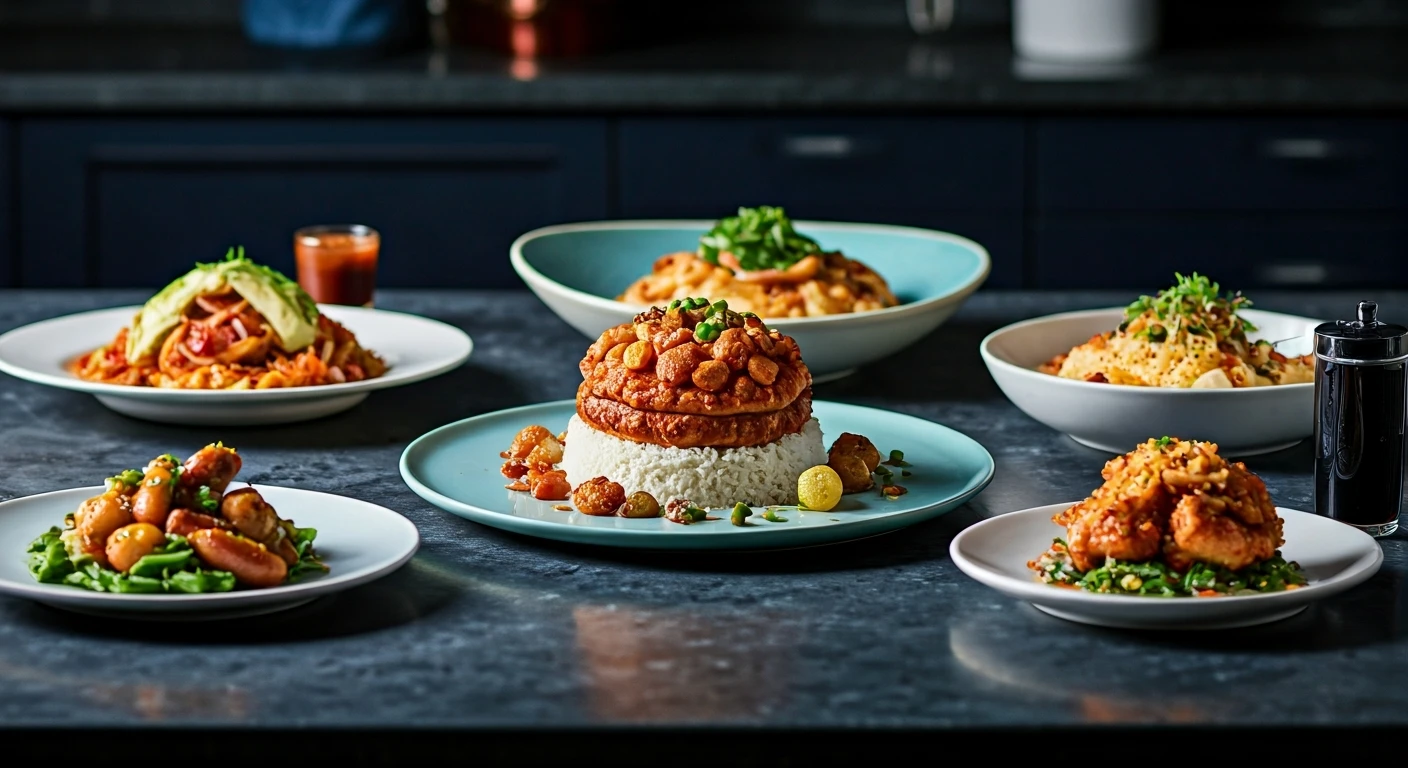
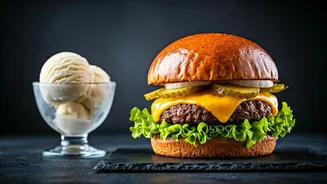
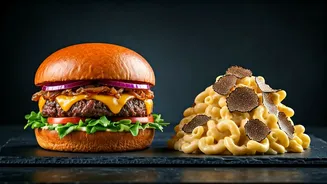
But let's be clear: this isn't a simple retreat to the 1950s diner. The key to this trend is the 'upgrade.' Yesterday's comfort food is today's canvas for culinary craft. That $28 burger isn't just ground beef on a bun. It’s a custom blend of short rib and brisket from a single-source farm, a potato bun from an artisan baker, aged cheddar from Vermont, and a house-made 'special sauce' that might contain anything from fermented chilies to black garlic aioli. The mac and cheese isn't made with powder from a box; it’s a creamy blend of Gruyère, Comté, and fontina, topped with panko breadcrumbs toasted in brown butter. The 'upgrade' is about three things: superior ingredients, refined technique, and creative, but not distracting, flavor combinations. Chefs are applying their fine-dining skills to dishes we all love, proving that simplicity, when executed perfectly, is its own form of genius.
What's on the Menu
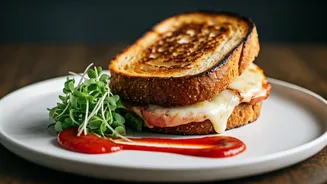
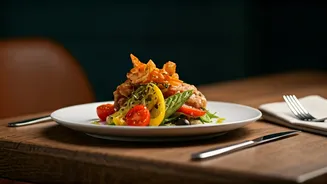
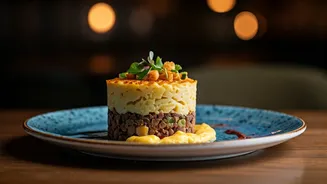
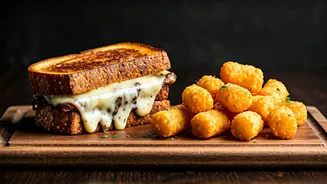
The trend is visible across every course. The humble fried chicken sandwich, a fast-food staple, has been elevated with brines of buttermilk and pickle juice, double-dredging for extra crispiness, and served on brioche with spicy slaw. Wedge salads, once a steakhouse cliché, are back with a vengeance, now featuring heirloom tomatoes, crumbles of Nueske's bacon, and house-made blue cheese dressing that actually tastes like cheese. On the dessert menu, classics are being re-engineered. Think deconstructed tiramisu with espresso-infused foam and mascarpone gelato, or a simple slice of apple pie where the crust is impossibly flaky and the filling is made with a rare local apple variety. Even the meatloaf is getting a makeover, often wrapped in bacon, glazed with a balsamic-ketchup reduction, and served over creamy polenta instead of lumpy mashed potatoes.
The Drink List Gets a Retrofit
This embrace of the elevated classic extends to the bar. After a decade dominated by hyper-complex cocktails with a dozen obscure ingredients, bartenders are rediscovering the power of a perfectly made classic. The Espresso Martini, once a 90s punchline, is now a best-seller, made with high-quality, freshly pulled espresso and top-shelf vodka. The Old Fashioned is no longer just whiskey, sugar, and bitters; it's a specific rye or bourbon, a demerara syrup, and artisanal bitters, served over a single, crystal-clear ice sphere that melts slowly and looks stunning. The Negroni, the Aperol Spritz, the classic Daiquiri—they’re all back, but made with the precision and quality ingredients that were once reserved for more esoteric creations.