

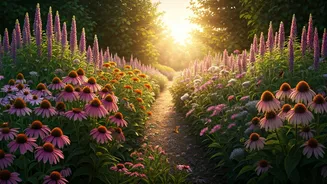
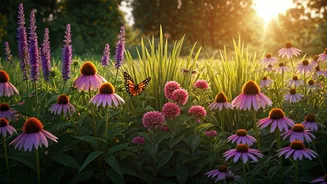


Why All the Buzz?
The perfectly manicured, pest-free lawn has long been an American ideal. But a growing awareness of environmental fragility is changing that. Pollinators—the birds, bees, butterflies, beetles, and bats responsible for fertilizing a third of the food we
eat—are in decline. Habitat loss, pesticide use, and climate change have put immense pressure on these crucial species. The rise of pollinator-friendly gardening is a direct, hopeful response to this crisis. Homeowners, apartment dwellers, and community groups are realizing they can have a tangible, positive impact right outside their door. It’s a shift from viewing a garden as purely ornamental to seeing it as a functional, living ecosystem. This movement isn't just about saving the bees; it’s about restoring a small piece of the natural world and re-establishing a connection to the environment we depend on.
More Than Just Pretty Flowers
So, what exactly makes a garden “pollinator-friendly”? It’s more than just planting a few colorful annuals. A true pollinator haven provides the three things these creatures need to thrive: food, water, and shelter. Food comes from a diverse selection of nectar- and pollen-rich plants, especially native species that local pollinators have co-evolved with for centuries. Water can be a simple shallow dish with pebbles or stones for insects to land on. Shelter involves providing nesting sites, like leaving some bare ground for ground-nesting bees or having plants with hollow stems. Crucially, it also means ditching the pesticides. A garden teeming with life will have pests, but it will also have predatory insects that keep them in check, creating a natural balance. This approach swaps chemical intervention for ecological harmony.
Your Pollinator-Friendly Starter Kit
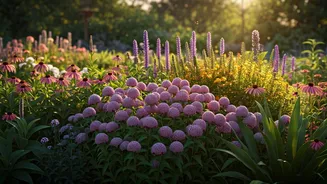
Getting started is simpler than you might think. You don’t need a huge yard or a master gardener’s expertise. The key is to think in layers. First, choose the right plants. Prioritize native species, as they provide the best nutrition for local wildlife. You can find lists from your local university extension office or native plant society. Plant in clumps or drifts of three or more of the same plant, which creates a larger, more attractive target for foraging insects. Second, plan for continuous blooms. Select plants that flower at different times from spring through fall to provide a consistent food source. A mix of early-blooming salvias, mid-summer coneflowers, and late-season asters ensures your garden cafe is always open. Finally, add a water source. A birdbath with some stones or a shallow saucer of water is all it takes.
Easy-to-Grow Pollinator All-Stars
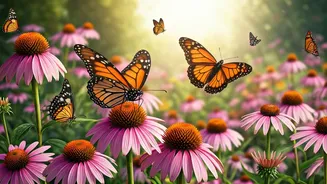
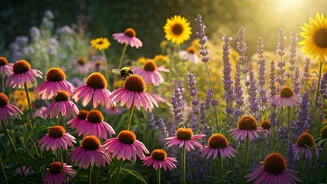
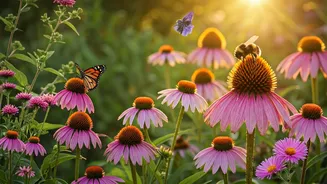
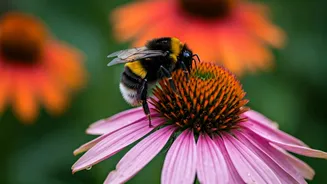
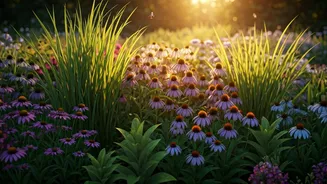
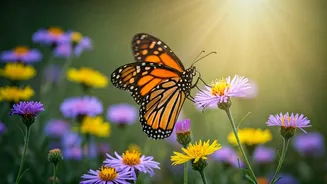
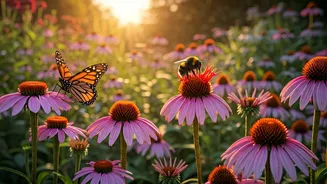
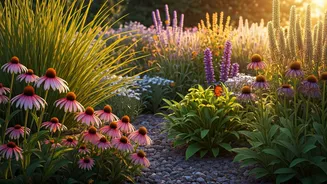
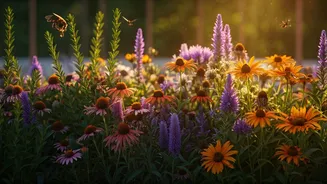
To kickstart your garden, focus on a few hardworking, low-maintenance plants that are widely available and beloved by pollinators. For sun, you can’t go wrong with Coneflowers (Echinacea), which attract bees and butterflies and provide seeds for birds in the fall. Black-Eyed Susans (Rudbeckia) are another cheerful, durable choice. For butterflies, planting Milkweed (Asclepias) is essential, as it’s the only host plant for monarch caterpillars. Bee Balm (Monarda) is a magnet for bumblebees and hummingbirds. In shadier spots, try Coral Bells (Heuchera) or Columbine (Aquilegia). Avoid overly hybridized flowers with dense, frilly petals, like many modern roses or double-petal marigolds; they often produce little to no pollen or nectar, making them beautiful but useless to a hungry bee.
Small Spaces, Big Impact
One of the biggest misconceptions about pollinator gardening is that you need a sprawling backyard. That’s simply not true. Even a small patio, balcony, or window box can become a vital stepping stone for urban and suburban pollinators. A few pots filled with native perennials like coreopsis, salvia, or lavender can create a critical refueling station. A hanging basket of zinnias can support dozens of butterflies. The concept of a “pollinator pathway” relies on these small, connected habitats. Your balcony garden might be the bridge an insect needs to get from a local park to another green space. By transforming a small patch into a resource, you’re contributing to a larger ecological network, proving that when it comes to conservation, every square foot counts.