





The Unkept Promise of a Quick Fix
You know the pitch. It’s the “7-Day Shred,” the “21-Day Challenge,” the social media ad promising beach-body abs with just 10 minutes of work a day. This is the world of quick-fix fitness, an ecosystem built on high-intensity interval training (HIIT),
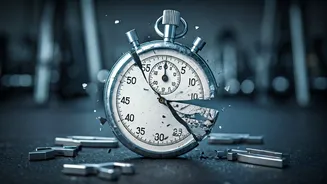
restrictive diets, and before-and-after photos that seem to defy reality. For years, this approach dominated gyms, apps, and influencer feeds, fueled by a culture that prizes speed and efficiency above all else. The central idea was that exercise is a punishment for what you ate, a frantic transaction to 'earn' or 'burn off' calories. The problem, as millions have discovered, is that a model built on all-out, punishing effort is fundamentally unsustainable. It often leads to a predictable cycle: initial enthusiasm followed by exhaustion, injury, guilt, and eventually, quitting altogether. The promise of a rapid transformation rarely materializes, leaving people feeling like they failed the program, when in reality, the program failed them.
The Burnout Becomes a Backlash
The pushback against this punishing cycle isn't coming from one place, but from everywhere at once. It’s in the physical therapists seeing a surge in stress fractures and burnout-related injuries from high-impact, repetitive routines. It’s in the registered dietitians advocating for intuitive eating over draconian meal plans. It’s especially visible on platforms like TikTok and Instagram, where a new generation of trainers and creators is openly questioning the “go hard or go home” mentality. This movement gained significant momentum in the wake of the pandemic. Collective burnout and a heightened awareness of mental health led many to re-evaluate their relationship with exercise. The question shifted from 'How can I torch the most calories in the shortest amount of time?' to 'What kind of movement will actually make me feel good and reduce my stress?' This cultural pivot created the perfect environment for a more compassionate, intelligent approach to fitness to take root.
From Intensity to Longevity
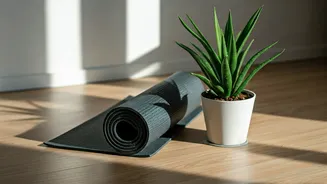
So, what does the alternative look like? It’s not about being lazy; it’s about being smart. The emerging philosophy is often called “slow fitness” or “longevity-focused” training. Instead of prioritizing short-term aesthetic goals, it emphasizes building a body that is resilient, capable, and pain-free for decades to come. This means a greater focus on foundational elements that quick-fix programs often ignore. Think mobility work to improve joint health, stability exercises to build a strong core, and a renewed appreciation for lower-intensity, Zone 2 cardio—like brisk walking or light jogging—which is proven to be phenomenal for cardiovascular health and endurance without thrashing the nervous system. Strength training is still a cornerstone, but the goal isn’t just hypertrophy for looks; it’s about maintaining muscle mass and bone density, crucial for healthy aging. The mantra has shifted from “intensity” to “consistency.” A moderate workout you can do consistently for years is infinitely more valuable than a brutal one you abandon after three weeks.
Redefining What 'Success' Looks Like
Perhaps the most significant change is the redefinition of success. In the quick-fix world, success was measured on the scale or with a measuring tape. The pushback movement proposes new metrics: Are you sleeping better? Do you have more energy during the day? Can you lift your groceries without tweaking your back? Are you less stressed? This approach treats exercise as a tool for self-care, not self-punishment. It encourages “intuitive movement”—listening to your body and choosing a workout based on what it needs, whether that’s a restorative yoga class or a heavy lifting session. It’s a move toward body neutrality, which focuses on what your body can *do* rather than what it looks like. By detaching exercise from the relentless pursuit of a specific physical ideal, this new wave of fitness offers something far more valuable and attainable: a peaceful, sustainable, and genuinely healthy relationship with movement.