
Beyond the Buffet Box
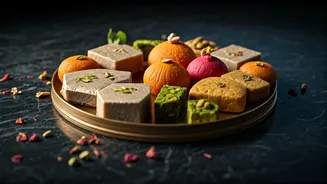
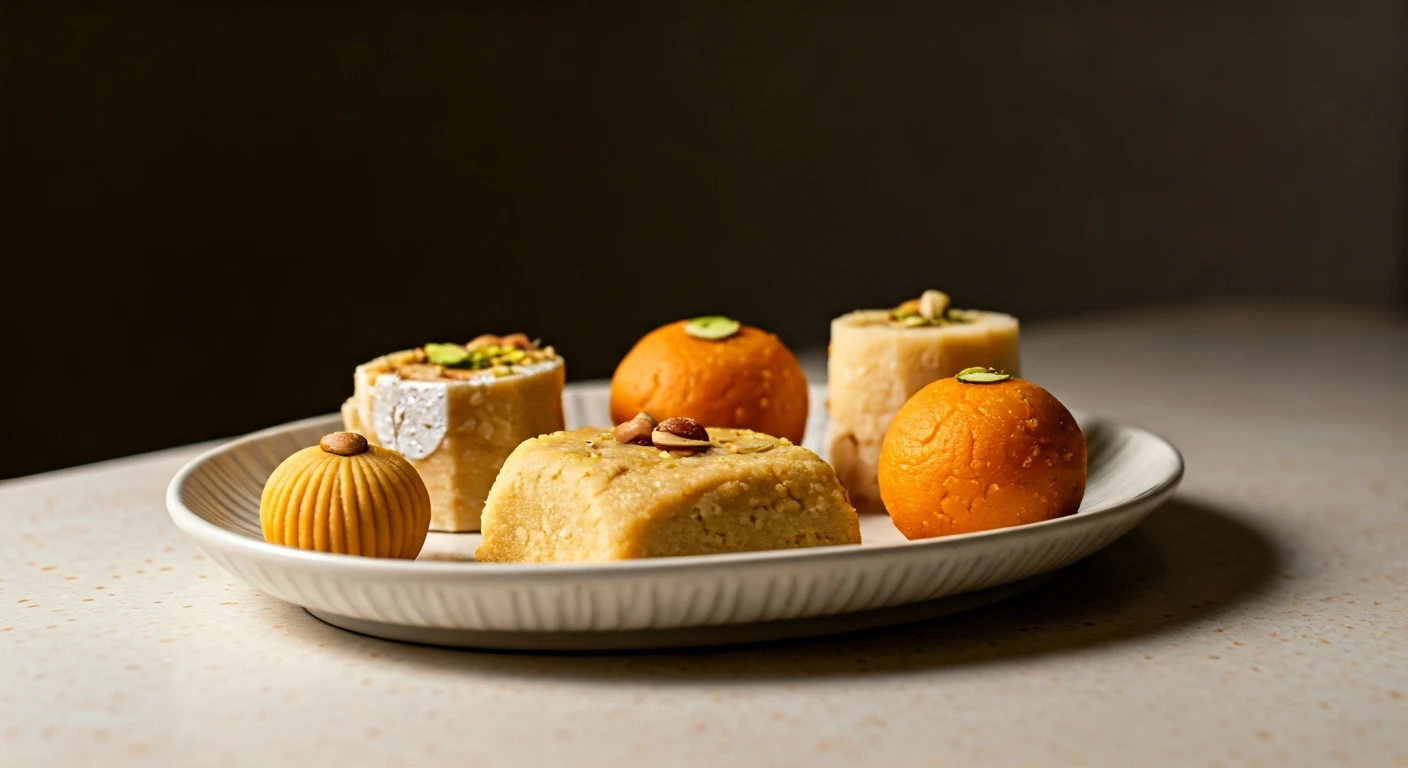
For many Americans, mithai exists as a fond but often one-dimensional memory: the colorful assortment of sweets offered at Diwali parties, weddings, or Indian restaurants. These traditional treats—dense, milk-based burfi, syrupy jalebi, or nutty ladoos—are
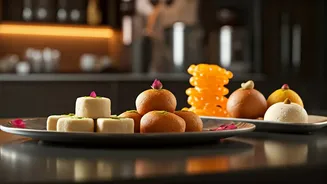
cornerstones of celebration and hospitality across South Asia. Made from ingredients like chickpea flour, condensed milk (khoya), ghee, nuts, and sugar, they are delicious, deeply traditional, and often, very, very sweet. For decades, the mithai available in the U.S. largely mirrored what you’d find in a classic Indian sweet shop, or 'mithaiwala'. The focus was on tradition and quantity, packaged in simple cardboard boxes, meant to be shared generously among family and friends. While beloved, they rarely broke from a well-established mold. But just as French patisserie has its high-end boutiques, a new wave of culinary artisans is asking: why can't mithai be just as sophisticated?
The Artisanal Upgrade
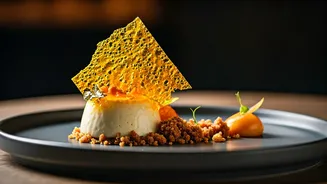
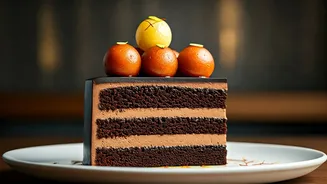
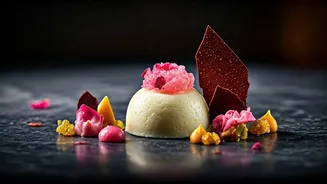
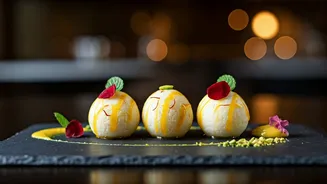
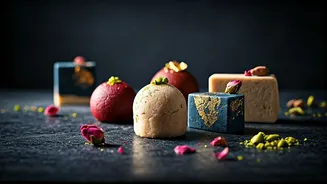
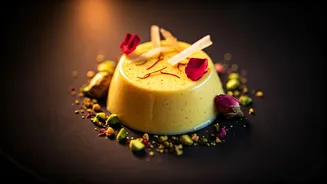
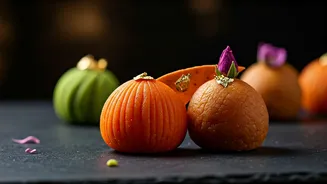
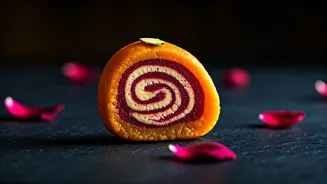
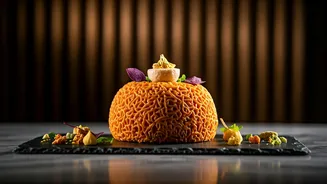
The new 'luxe' mithai is a complete sensory experience. The first thing you’ll notice is the visual transformation. These aren't just cubes in a box anymore. Think geometric, hand-painted bonbons, delicate tartlets adorned with edible flowers, and sweets dusted with shimmering gold leaf. The packaging is equally elevated, looking more at home in a high-end department store than a neighborhood grocery. We're talking sleek, minimalist boxes with magnetic closures, tied with silk ribbons. Then come the ingredients and flavors. Traditional recipes are being infused with global gourmet sensibilities. Imagine a pistachio burfi with notes of lavender and rose, a classic ladoo made with 70% dark chocolate and sea salt, or a kaju katli (cashew fudge) that’s been reimagined as a delicate macaron filling. These creations swap out overpowering sweetness for complex flavor profiles, prioritizing high-quality, often organic, ingredients over pure sugar. The result is a dessert that feels both familiar and thrillingly new.
A Story of Cultural Confidence
This trend is about much more than just a fancy dessert. It’s a powerful statement of cultural confidence, driven largely by second- and third-generation South Asian Americans. For years, immigrant food in the U.S. has often been expected to be cheap, fast, and 'authentic' in a way that sometimes means stagnant. This new generation of chefs and entrepreneurs is pushing back against that stereotype. They grew up navigating two worlds, appreciating both the comforting traditions of their heritage and the slick, modern aesthetics of Western culinary culture. Elevating mithai is a way to reclaim their narrative, presenting a piece of their culture not as a humble artifact, but as a dynamic art form worthy of the same respect—and price point—as a box of luxury Swiss chocolates or French macarons. It's a declaration that their traditions are not just to be preserved, but to be celebrated, innovated, and placed on the world's stage.
The New Sweet Shops
This movement is bubbling up in cities across the country. Small-batch, online-first brands are leading the way, using Instagram as their digital storefront to showcase stunningly beautiful creations. Names like The GULP in New York and Knead Some Love in Southern California are gaining followings for their modern takes on classic sweets. They are part of a larger wave of South Asian culinary artists who are deconstructing and reimagining everything from street food to family recipes. These entrepreneurs aren't just selling sweets; they're curating experiences. They offer bespoke boxes for weddings and corporate events, positioning mithai as a sophisticated gift. By blending heritage with modern luxury, they are introducing mithai to a new audience that may have never tried it before, while giving the diaspora a new way to connect with and take pride in their culinary roots.