

The Scent of Otherness
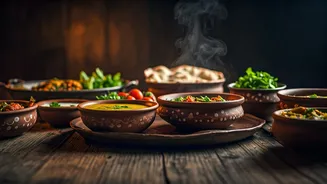
For years, “ghar ka khana”—a Hindi phrase that translates to “food of the home”—was a private delight and a public liability. It was the fragrant, complex, and deeply loved food made in the kitchens of immigrant families. But outside the home, it was often
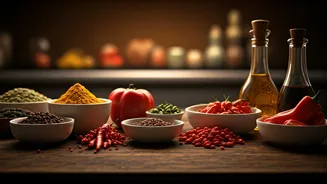
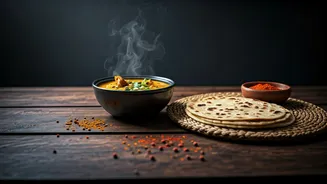
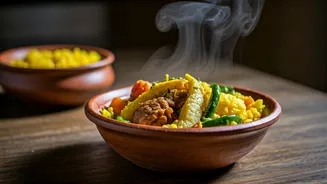
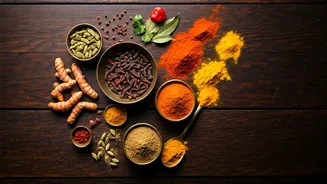
a source of deep-seated shame. In the sea of peanut butter and jelly sandwiches and Lunchables, a container of daal (lentils), sabzi (spiced vegetables), or biryani stood out. The powerful aromas of cumin, turmeric, and cardamom that signaled comfort at home became a beacon for unwanted attention at school or in the office. Classmates would pinch their noses, teachers would offer a sympathetic but clueless look, and colleagues might make a passive-aggressive comment about the “smell.” This experience, often dubbed the “lunchbox moment,” forced many first- and second-generation Americans to build a wall between their two worlds. At home, they were themselves. In public, they craved the bland, odorless anonymity of fitting in, often begging their parents for the processed, pre-packaged foods their peers ate.
From Niche Aisle to Center Stage
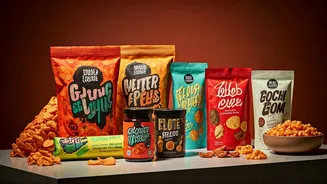
So, what changed? The shift wasn’t a sudden event but a gradual, simmering revolution. Part of it was simply demographic. As immigrant communities grew in size and influence, their culinary traditions became harder to ignore and easier to commercialize. The “ethnic” aisle at the grocery store, once a dusty corner of forgotten shelves, expanded. Ghee went from being a specialty item to a keto-friendly staple at Trader Joe's. Your local supermarket might now stock five different kinds of naan, and turmeric is no longer just a spice for curry but a key ingredient in trendy golden milk lattes. This slow creep into the mainstream marketplace did something profound: it normalized the unfamiliar. When elements of your culture are sold back to you—and your neighbors—with slick packaging and a premium price tag, it chips away at the feeling of “otherness.” The food hadn’t changed, but the perception of its value had.
The Digital Dabba
The real accelerant, however, was social media. Platforms like Instagram and TikTok turned the humble kitchen into a film set. A new generation of creators, armed with smartphones and ring lights, began showcasing the very foods their parents might have told them not to pack for lunch. They didn’t just share recipes; they shared stories. They explained the history behind a dish, filmed their grandmothers expertly rolling out roti, and demystified the spice cabinet. Suddenly, that container of daal wasn’t just lunch; it was content. It was beautiful, aspirational, and authentic. The digital “dabba” (a tiffin or lunchbox) became a badge of honor. Viewers weren't just learning how to cook; they were witnessing a generation reclaim its heritage with unapologetic joy. Seeing someone with millions of followers proudly pack a lunch of leftover butter chicken provided a powerful form of validation that was absent a decade ago.
A New Kind of Authenticity
This embrace of ghar ka khana is about more than just food. It represents a broader shift in how identity is constructed in America. The old model of assimilation—shedding cultural markers to blend in—has given way to a new ideal where authenticity is the ultimate currency. To be “real” is to embrace the specific, unique, and sometimes messy parts of your background. Bringing your home-cooked food to work is no longer an admission of foreignness; it’s a confident declaration of self. It says, “This is who I am, this is what I eat, and it’s delicious. You’re missing out.” The shame hasn’t just been beaten; it’s been replaced with a quiet, simmering pride. The aromas that once caused anxiety are now a welcome scent of a more flavorful, diverse, and honest American tapestry.