


1. The Power of the Spice Box
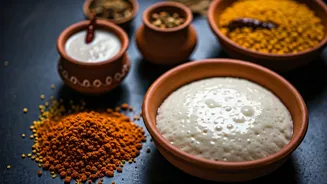
In the West, spices are often an afterthought. In India, they are the cornerstone of both flavor and health. Spices like turmeric (with its active compound curcumin), ginger, cumin, coriander, and fennel aren't just for taste; they are functional ingredients
with deep roots in Ayurvedic medicine. Turmeric is a well-studied anti-inflammatory, ginger is a classic digestive aid that can soothe an upset stomach, and cumin and fennel seeds are traditionally chewed after meals to help prevent gas and bloating. This approach treats the spice cabinet as a home pharmacy, where each pinch of seasoning is an opportunity to support digestion and reduce inflammation, creating a more hospitable environment for beneficial gut microbes.
2. Embracing Healthy Fermentation
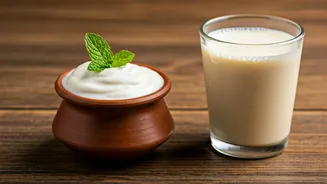
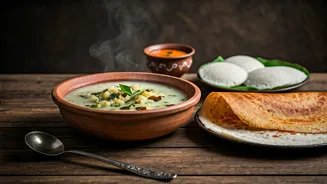
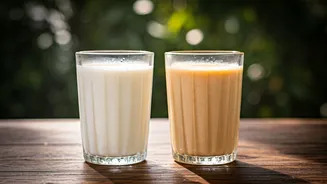
Long before kombucha became a status symbol, Indian households perfected the art of fermentation. This is not about trendy, bottled drinks but about staples that are part of daily meals. Dahi, a homemade yogurt, is a primary source of natural probiotics. It's often eaten plain, used in cooling raitas, or blended into a lassi. Beyond yogurt, consider South Indian staples like idli (steamed rice cakes) and dosa (crepes). Both are made from a fermented batter of rice and lentils, a process that pre-digests the starches and makes the nutrients more bioavailable while introducing beneficial microorganisms to the gut. These foods demonstrate how fermentation can be a delicious, integral part of a meal rather than a separate supplement.
3. The Goodness of Ghee
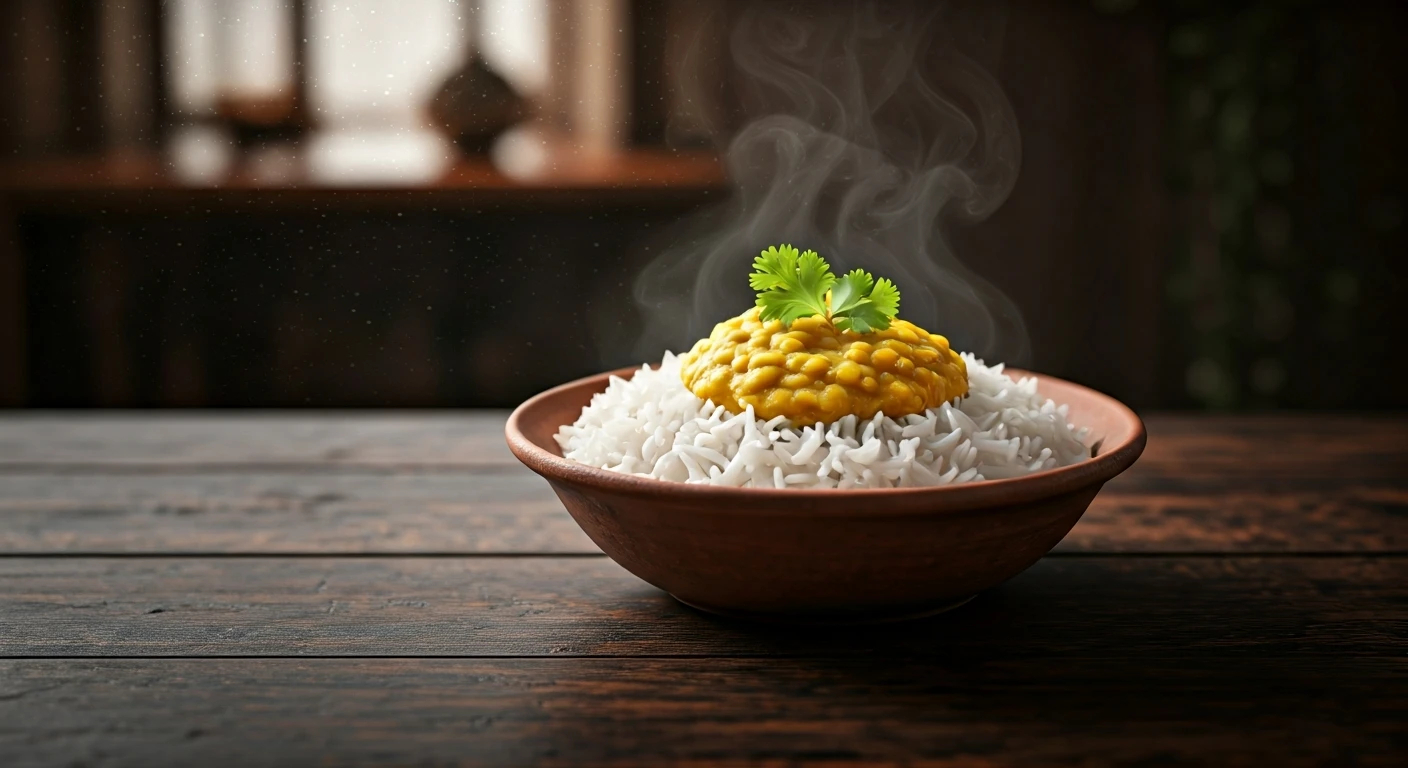
For years, fat was the enemy in American dietary advice. Ghee—clarified butter that has had its milk solids removed—is challenging that narrative. In Ayurveda, it's considered a superfood. Ghee is rich in butyrate, a short-chain fatty acid that is a crucial energy source for the cells lining the colon. A healthy gut lining is essential for preventing issues like leaky gut, where particles can pass into the bloodstream and trigger inflammation. Because the milk solids are removed, ghee is also largely free of lactose and casein, making it easier for many people to digest compared to regular butter. It’s used as a cooking medium and as a finishing touch, drizzled over dals and rice to add flavor and nutritional value.
4. The Central Role of Lentils
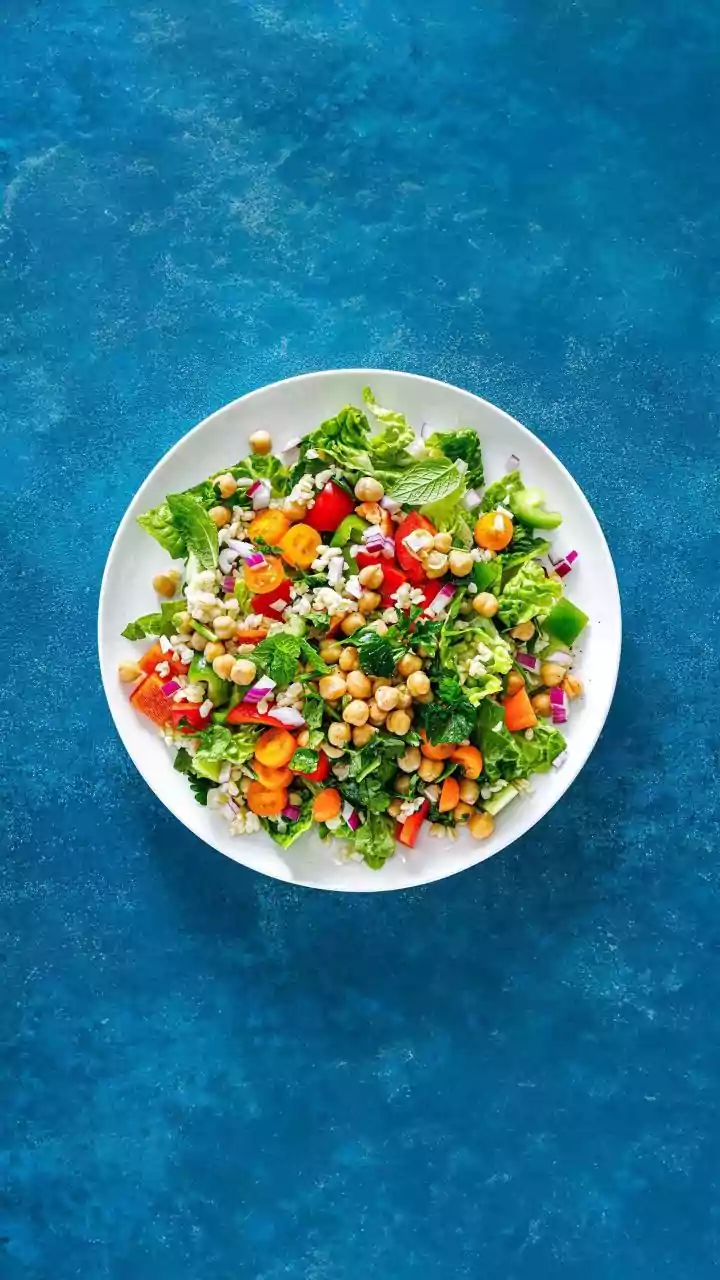
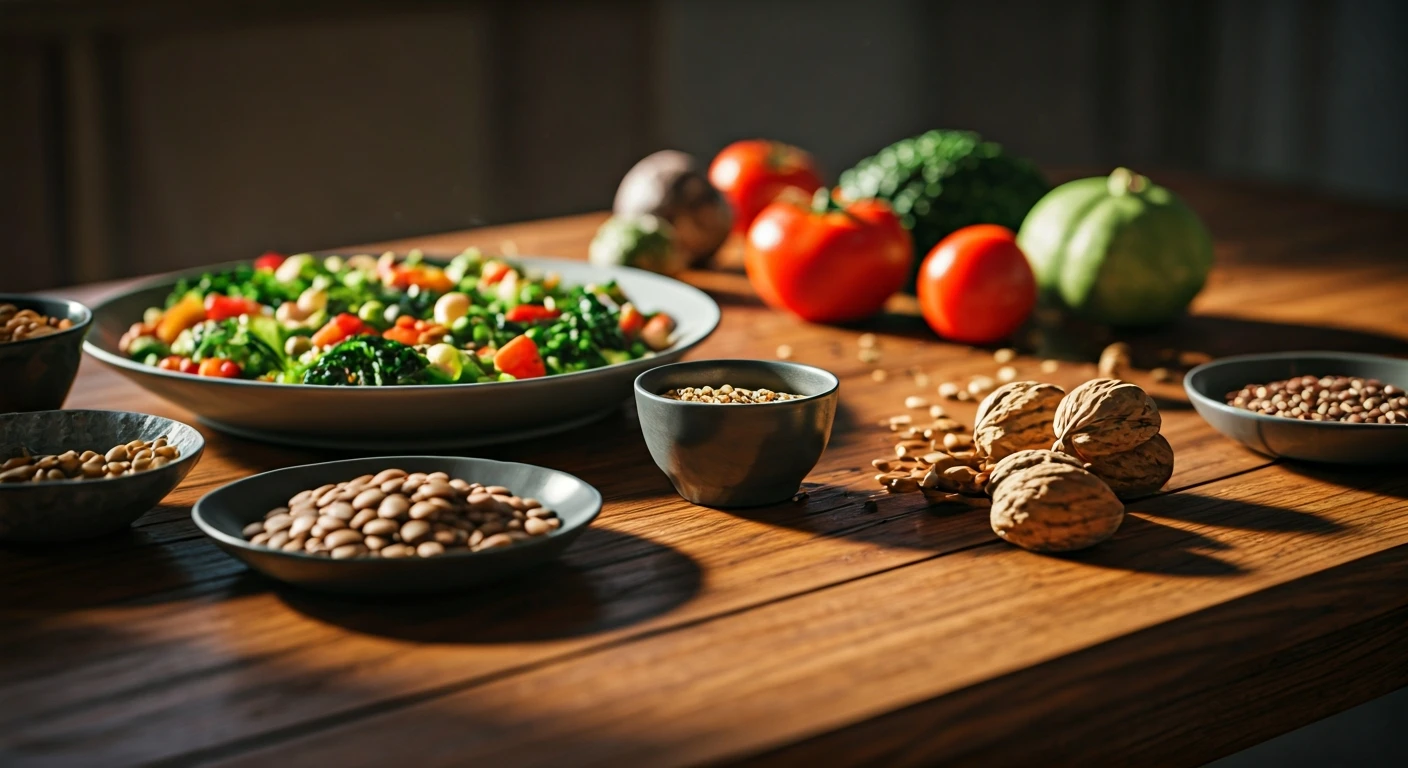
Dal, a generic term for dried, split pulses like lentils, peas, and beans, is arguably the heart of the Indian diet. Served at nearly every meal, dal is a powerhouse of plant-based protein and, critically for gut health, fiber. The gut microbiome thrives on fiber, which acts as a prebiotic—food for your good bacteria. A diet rich in diverse fibers from sources like lentils, chickpeas, and kidney beans helps foster a robust and diverse microbial ecosystem. Furthermore, cooking dal with spices like turmeric, cumin, and asafoetida (hing) not only enhances flavor but also aids in the digestion of these fiber-rich legumes, a perfect example of holistic food synergy.
5. Eating for Your 'Agni'
Perhaps the most fundamental concept is the least tangible: a focus on digestive strength, known in Ayurveda as *agni*, or digestive fire. This ancient philosophy suggests that a strong agni allows you to properly digest, absorb, and assimilate nutrients, while a weak agni leads to the buildup of toxins. The entire approach is geared toward supporting this fire. This translates into practical habits like eating warm, cooked foods that are easier to digest; avoiding ice-cold drinks with meals (as they are thought to extinguish the fire); and paying attention to food combinations. It’s a mindful approach that prioritizes not just *what* you eat, but *how* you eat to support your body’s digestive capacity.