



A Mountain Range Older Than the Himalayas
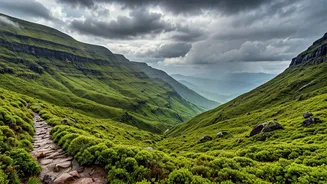
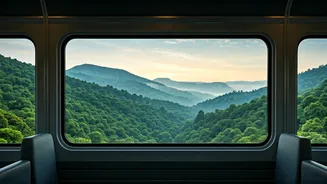
First, a quick geography lesson for the uninitiated. The Western Ghats are a magnificent mountain range running parallel to the western coast of the Indian peninsula. Older than the Himalayas, this chain of peaks and forests is a UNESCO World Heritage
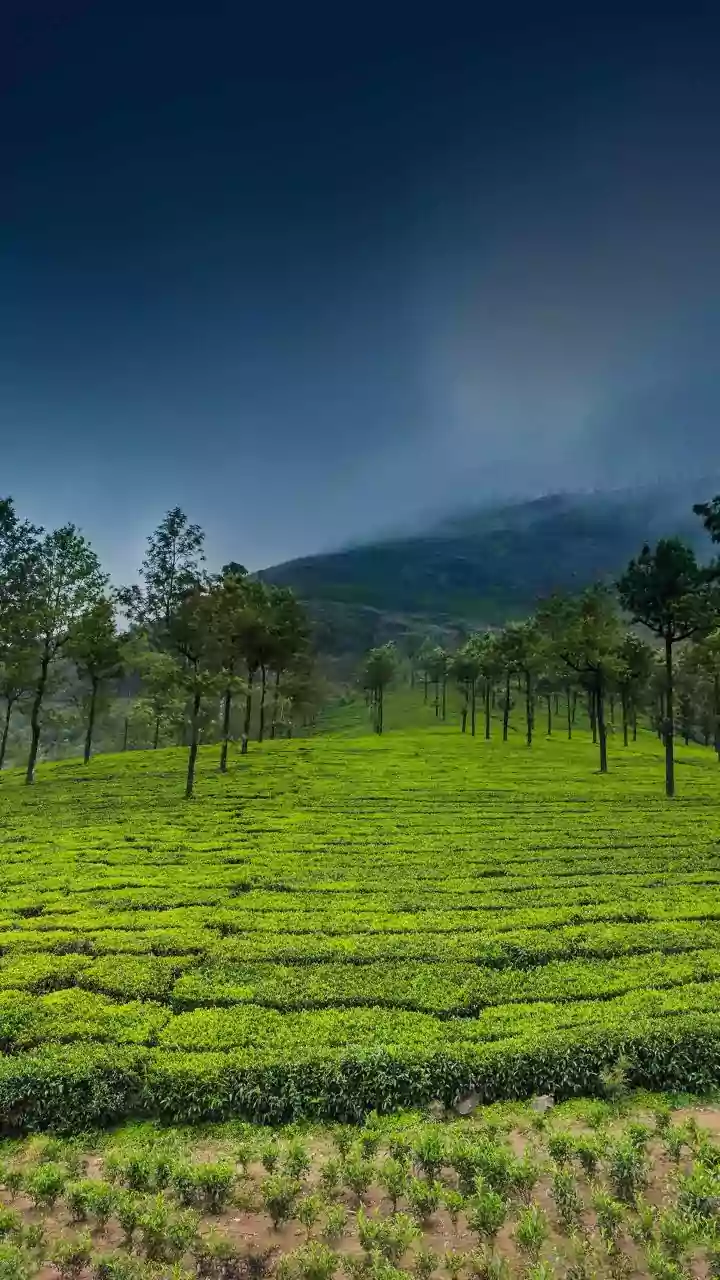
Site, recognized as one of the world's most important hotspots of biological diversity. Spanning over 990 miles, the Ghats are a labyrinth of dense forests, sprawling spice and tea plantations, and unique wildlife. But during the monsoon season, from roughly June to October, the region undergoes a dramatic transformation, awakening its most spectacular and temporary features: its waterfalls.
The Magic of the Monsoon
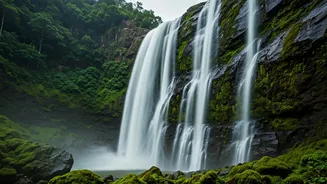
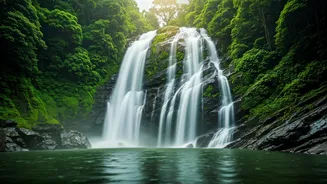
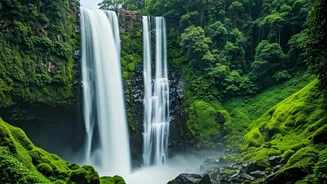
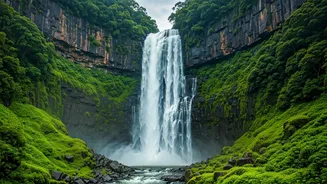
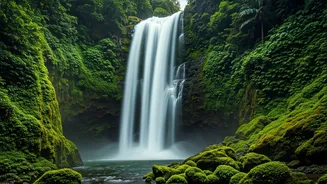
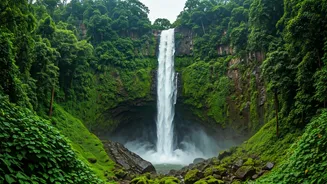
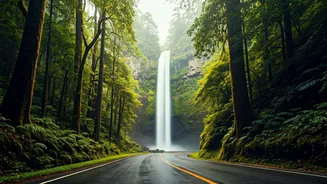
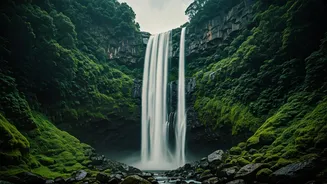
For most international travelers, the word “monsoon” conjures images of canceled plans and torrential downpours. In the Western Ghats, however, the rainy season is the main event. As the clouds roll in from the Arabian Sea, they drench the mountainsides, breathing life into thousands of streams. The parched, dusty cliffs of the dry season suddenly erupt with foaming, milky-white torrents of water. This seasonal rebirth turns the entire region into a lush, emerald-green paradise. The air becomes heavy with the smell of wet earth, and the constant soundtrack is the roar of water, from tiny rivulets trickling over mossy rocks to colossal cataracts plunging hundreds of feet into misty valleys. This isn't a subtle change; it's a complete reinvention of the landscape.
The Social Media-Fueled Road Trip
So why the “major influx” now? The trend is being driven by a perfect storm of factors, primarily within India's booming domestic tourism market. Post-pandemic, there's been a surge in demand for local, driveable destinations. Instead of flying, families and groups of friends are piling into cars and setting off on adventures closer to home. The Western Ghats, accessible from major cities like Mumbai, Pune, and Bengaluru, are the perfect getaway. This movement is heavily amplified by social media. A single viral Instagram Reel of a jeep splashing through a flooded road, with a majestic waterfall in the background, can inspire thousands of similar trips. The visual splendor of the monsoon-drenched Ghats is tailor-made for a shareable, FOMO-inducing post, turning once-quiet spots into weekend hotspots.
Icons of the Cascade Trail
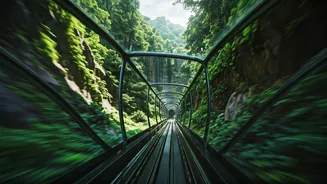
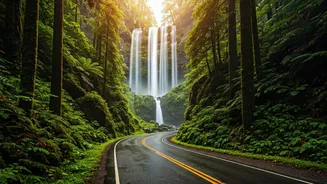
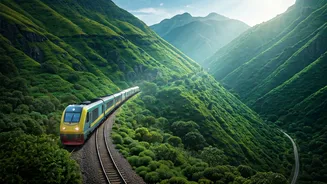
While countless smaller falls appear during the rains, a few titans draw the biggest crowds. In Goa, the Dudhsagar Falls, whose name translates to “Sea of Milk,” become a multi-tiered behemoth that famously cascades past an active railway line, creating an iconic photo-op. Further south in Kerala, the Athirappilly Falls—often called the “Niagara of India”—is a wide, powerful curtain of water that has served as the backdrop for numerous Bollywood films. Getting to these falls is part of the experience, often involving navigating winding mountain roads, sipping hot tea at roadside stalls, and feeling the spray on your face long before you see the source. The journey itself, with its breathtaking views and sense of discovery, is as much the destination as the waterfall.
Paradise Under Pressure
This newfound popularity is not without its challenges. The sudden influx of vehicles can lead to long traffic jams on narrow mountain roads, a phenomenon locals refer to as a “ghat jam.” Fragile ecosystems are put under strain by increased foot traffic and the perennial problem of tourist-generated litter. Local authorities often struggle to manage the crowds, implementing temporary restrictions or closing access to popular spots to ensure safety, especially when rivers and streams swell to dangerous levels. It’s the classic double-edged sword of tourism: the very thing that makes a place desirable is threatened by the attention it receives. For the Western Ghats, the challenge is to balance the economic benefits of this seasonal rush with the long-term preservation of its unique environment.