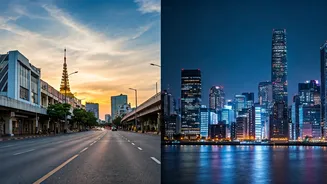







Japan: The Tech-Meets-Tradition Nomad Hub
For years, a long-term stay in Japan was a complex dream. But in early 2024, the country rolled out a much-anticipated digital nomad visa specifically for remote workers. U.S. citizens are eligible for this six-month permit, which allows you to bring
your family and work from anywhere in the country—from the neon-drenched streets of Tokyo to the serene temples of Kyoto. The main requirement is proof of an annual income of at least ¥10 million (around $64,000 USD), along with private health insurance. While not a casual tourist visa, it opens the door for professionals who want a deeply immersive experience without navigating the labyrinth of traditional work visas. It’s a game-changer for anyone wanting to trade their home office for a view of Mount Fuji.
Brazil: The Last-Minute Tropical Escape
Spontaneity just got an extension in Brazil. The country was set to reinstate a tourist visa requirement for U.S. citizens in April 2024, adding a layer of paperwork and planning to any trip. However, in a welcome move for travelers, the Brazilian government has postponed this requirement until April 10, 2025. This means that for now, Americans can still travel to Brazil for up to 90 days completely visa-free for tourism or business. It’s a perfect window of opportunity to explore the Amazon rainforest, soak up the sun on Ipanema Beach, or experience the vibrant energy of Carnival in Rio de Janeiro without the bureaucratic hassle. If Brazil is on your list, this is your sign to book the trip before the rules change.
Albania: Europe’s Hidden Gem for Long Stays
While many American travelers plan their European trips around the Schengen Area’s strict 90-day limit, Albania offers a refreshingly simple alternative. This beautiful Balkan nation allows U.S. citizens to enter and stay for up to one full year without a visa. No applications, no fees, no complicated paperwork upon arrival. This incredibly generous policy makes Albania an ideal base for slow travelers and remote workers looking to explore a different side of Europe. You can spend months hiking the Accursed Mountains, discovering ancient Ottoman towns like Gjirokastër, and relaxing on the pristine beaches of the Albanian Riviera. It’s one of the easiest, most affordable ways to live the European dream long-term.
Indonesia: The Extended Southeast Asian Adventure
Bali has long been a magnet for tourists and spiritual seekers, but staying longer than a month often involved complicated “visa runs.” Now, Indonesia’s B211A visa makes an extended stay far more straightforward. This visa can be applied for online before you travel and grants an initial 60-day stay. The real benefit is that it can be extended twice while you're in the country, allowing for a total stay of up to 180 days. This gives you ample time to do more than just scratch the surface. You can learn to surf in Uluwatu, take a meditation course in Ubud, explore the volcanic landscapes of Lombok, and truly immerse yourself in the culture without constantly worrying about your visa status. It’s the perfect tool for a proper Southeast Asian sabbatical.
Spain: The Digital Nomad Visa for Sun Seekers
Spain has long been a favorite, and its digital nomad visa, launched in 2023, solidifies its status as a top destination for remote workers. The program allows non-EU citizens who work for companies outside of Spain to live in the country for an initial period of one year, with the possibility of renewal for up to five years. The income requirements are reasonable (around $30,000 a year for individuals), and the tax benefits are attractive. This visa transforms the fantasy of working from a sun-drenched Andalusian courtyard or a bustling Barcelona cafe into a logistical reality. It provides a clear, legal pathway to enjoying Spain’s incredible quality of life, food, and culture, turning a vacation destination into a temporary home.