


Goa Beyond the Coastline
For most American travelers, Goa is synonymous with sand, surf, and seaside relaxation. It’s a world-famous coastal paradise, and for good reason. But to limit your experience to its beautiful shoreline is to miss the state's wild, untamed heart. Deep
within the Bhagwan Mahaveer Sanctuary and Mollem National Park, the landscape transforms from palm-fringed coast to dense, tropical jungle. Here, the Mandovi River puts on its greatest show, plunging over a thousand feet in a spectacular display that feels worlds away from the beach shacks and nightlife. A trip to Dudhsagar isn't just a day trip; it's a journey into an entirely different Goa, one defined by raw nature, adventure, and breathtaking power.
The 'Sea of Milk'
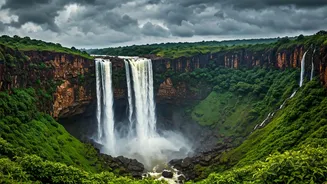
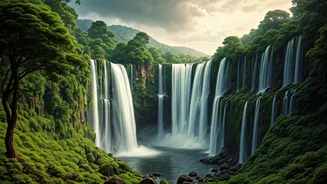
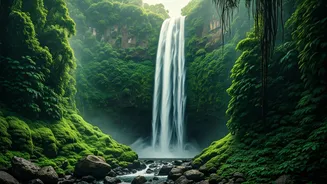
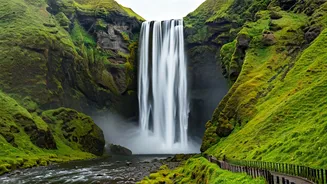
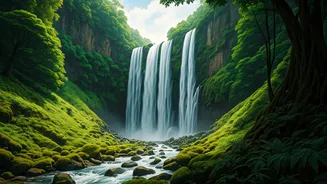
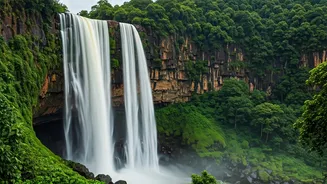
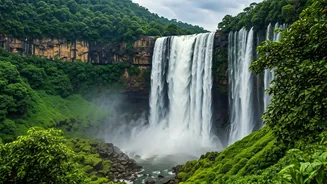
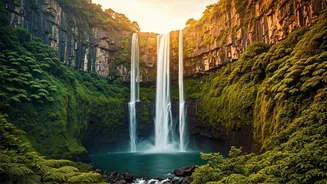
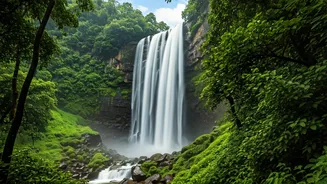
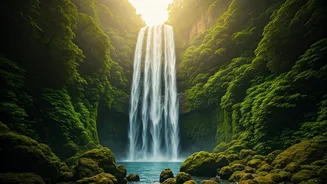
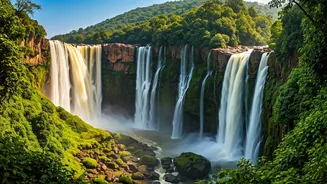
Dudhsagar literally translates to “Sea of Milk,” and the name is no exaggeration. This isn’t a gentle cascade; it’s a four-tiered behemoth of a waterfall, where immense volumes of water crash down the mountainside, creating a churning, white spectacle that resembles a torrent of milk. The sound is as impressive as the sight—a constant, low roar that you feel in your chest long before you see the falls. The railway line that dramatically crosses the falls on a stone bridge only adds to the cinematic quality of the scene. Standing in its misty spray, you understand that this is one of India's natural wonders, a powerful force that commands respect and leaves a lasting impression.
The Journey is the Adventure
Half the magic of Dudhsagar is the rugged journey required to reach it. You can’t simply drive up to a parking lot. Access to the base of the falls is restricted to registered 4x4 jeeps that navigate a bumpy, thrilling dirt track through the national park. The 45-minute ride is an adventure in itself, fording shallow rivers and winding through thick forest canopy where you might spot monkeys and exotic birds. This regulated system preserves the area's wild feel and builds a sense of anticipation that a simple car ride never could. The shared jeep experience, culminating in a short trek to the viewing area, makes the final reveal of the falls feel earned and all the more rewarding. Alternatively, a train journey on the Vasco-Londa line offers a stunning, albeit brief, view as it traverses the bridge in front of the falls.
How to Plan Your Trip
Logistics are key for a successful Dudhsagar visit. The best time to go is from October to May, after the monsoons, when the jeep trails are open and the water flow is still impressive. During the peak monsoon (June to September), the trails are closed for safety, and the falls can only be viewed from the train. The official jeep safaris start from the village of Kulem. It’s wise to arrive early, especially during peak season, as jeeps are assigned on a first-come, first-served basis. The cost includes the jeep, a driver, and life jackets, which are mandatory for swimming in the pool at the base of the falls. The entire trip, from Kulem and back, takes about three to four hours, including roughly an hour spent at the falls themselves.
What to Pack and Expect
Dress for an adventure. Wear a swimsuit under your clothes if you plan on taking a dip in the cool, refreshing plunge pool. Sturdy water shoes or sandals with a good grip are a must for navigating the rocky path and slippery riverbeds. Pack light, but bring essentials: sunscreen, a hat, and a waterproof bag for your phone and camera. You will get wet, either from swimming or from the powerful mist. Be mindful of the local monkey population; they are clever and habituated to tourists, so keep your food sealed and avoid feeding them. Most importantly, bring a sense of adventure. This isn't a polished, resort-style excursion. It's a genuine encounter with nature in one of its most powerful forms.