



A Fruit with Royal Status
Before it landed in your smoothie, the mango had a long and storied history. Often called the “king of fruits,” it has been cultivated in South Asia for thousands of years, holding deep cultural and religious significance in Hinduism and Buddhism. Legends
say that Buddhist monks spread the fruit across Southeast Asia, and by the 10th century, Persian traders had carried it to the Middle East and Africa. Its journey to the Americas came much later, with Portuguese colonists bringing it to Brazil and Spanish explorers planting it in Mexico. This global journey means that for many immigrant communities in U.S., a ripe mango isn’t just a sweet treat; it’s a powerful taste of heritage and a connection to family traditions half a world away.
Not Just One Mango, but Hundreds
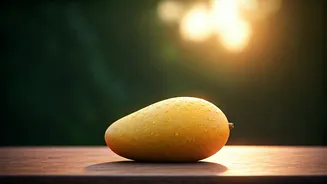
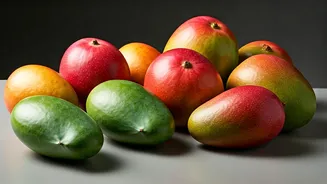
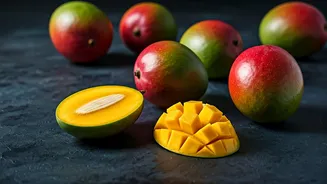
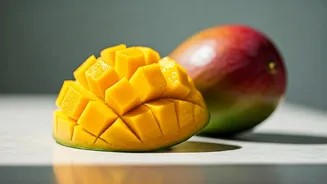
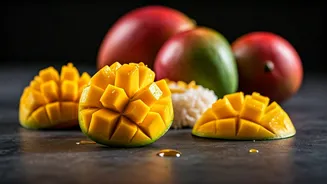
Part of the mango’s massive appeal lies in its incredible diversity. Saying you like “mango” is like saying you like “apples”—it doesn’t even begin to cover the spectrum of flavors, textures, and aromas. In the U.S., you’re most likely to encounter the Tommy Atkins, a mild, firm, and reddish-green variety that ships well. But the real magic happens when you explore further. There’s the Ataulfo (or Honey mango), a small, golden-yellow fruit with a buttery, fiberless texture and a rich, honeyed sweetness. Then there’s the Kent, a large, dark green mango with hints of red blush that is exceptionally juicy and sweet with minimal fiber. Keitts are another late-season favorite, staying green even when ripe and offering a tangy, sweet flavor. This variety means there’s a perfect mango for every palate and every purpose, from slicing and dicing to blending and puréeing.
The Ultimate Kitchen Chameleon
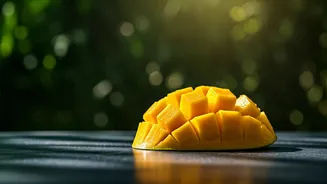
Few fruits can swing from sweet to savory with such ease. The mango’s unique flavor profile—a perfect balance of sweetness and tartness, with floral, peachy, and sometimes even pine-like notes—makes it a culinary powerhouse. In its simplest form, it’s a perfect snack eaten fresh over the sink, juices dripping down your chin. But its versatility is where it truly shines. It’s the star of desserts like mango sticky rice, sorbet, and cheesecakes. It’s the sweet counterpoint in spicy salsas, the creamy base for tropical smoothies and lassis, and a surprisingly delicious addition to savory salads and grain bowls. You can grill it to caramelize its sugars, pickle it for a tangy condiment, or dry it for a chewy, all-natural candy. This adaptability has allowed the mango to seamlessly integrate into American kitchens, inspiring home cooks and professional chefs alike.
Chasing the Season of Sunshine
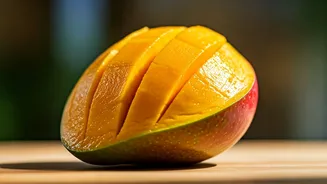
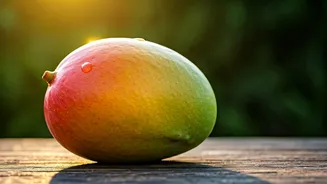
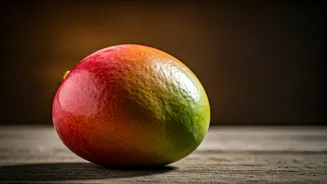
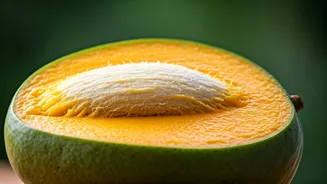
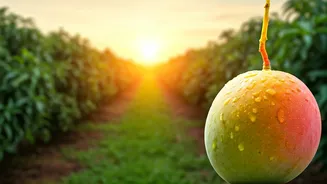
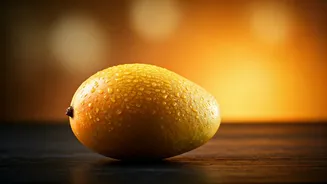
There's an undeniable emotional component to the mango craze. As a tropical fruit, it’s inextricably linked with sunshine, warmth, and vacation vibes. The arrival of peak mango season in late spring and summer feels like an event. For many, finding that perfectly ripe, fragrant mango is a seasonal treasure hunt. The experience is deeply sensory: the blush of its skin, the intoxicatingly sweet aroma, the vibrant, almost impossibly golden flesh. In a world of year-round produce, the mango still retains a sense of specialness. It offers a fleeting taste of the tropics, a burst of pure, unadulterated sweetness that can brighten any day. It’s not just food; it’s an experience, a mini-escape packed into a single, delicious fruit.